Divination AI should show its work
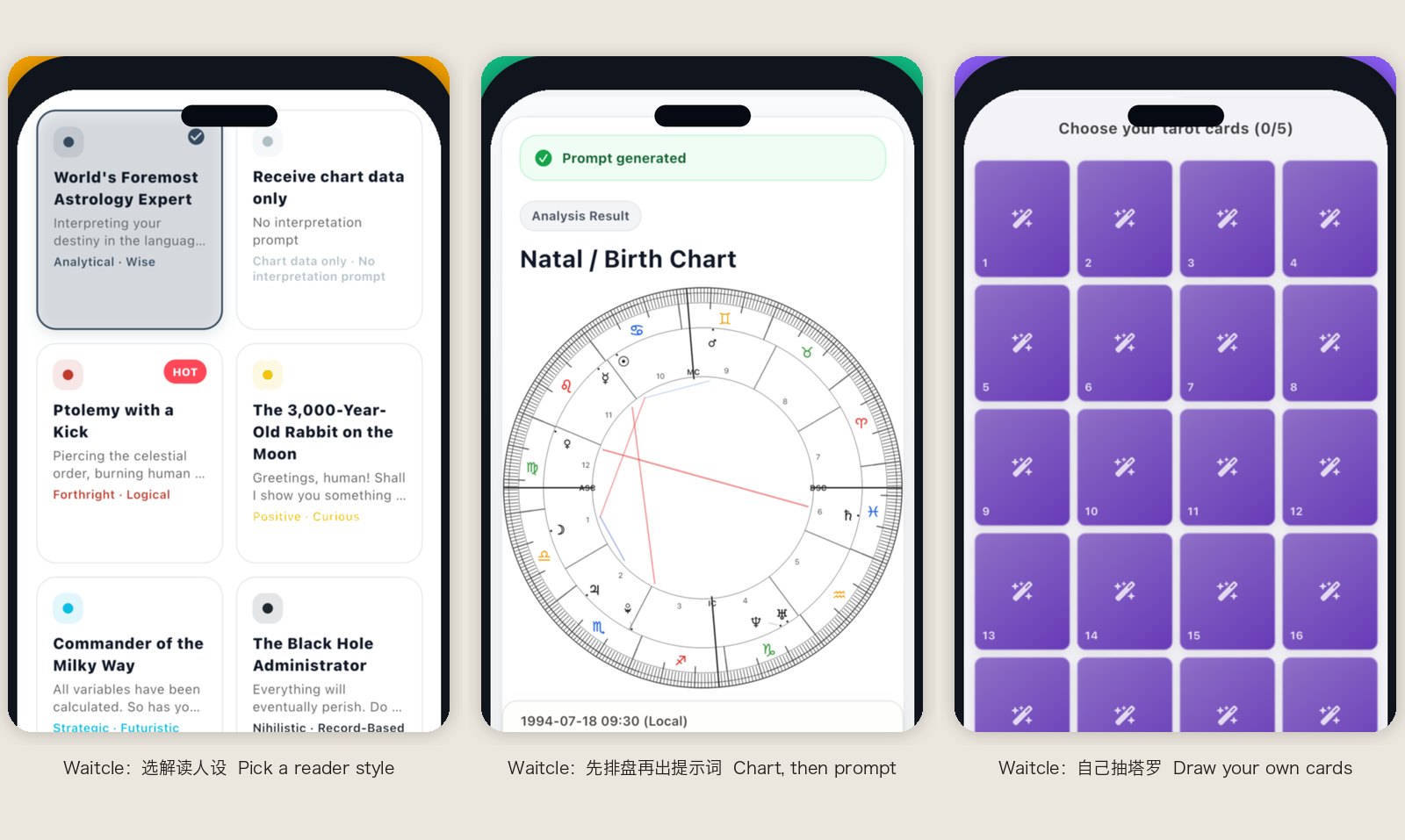
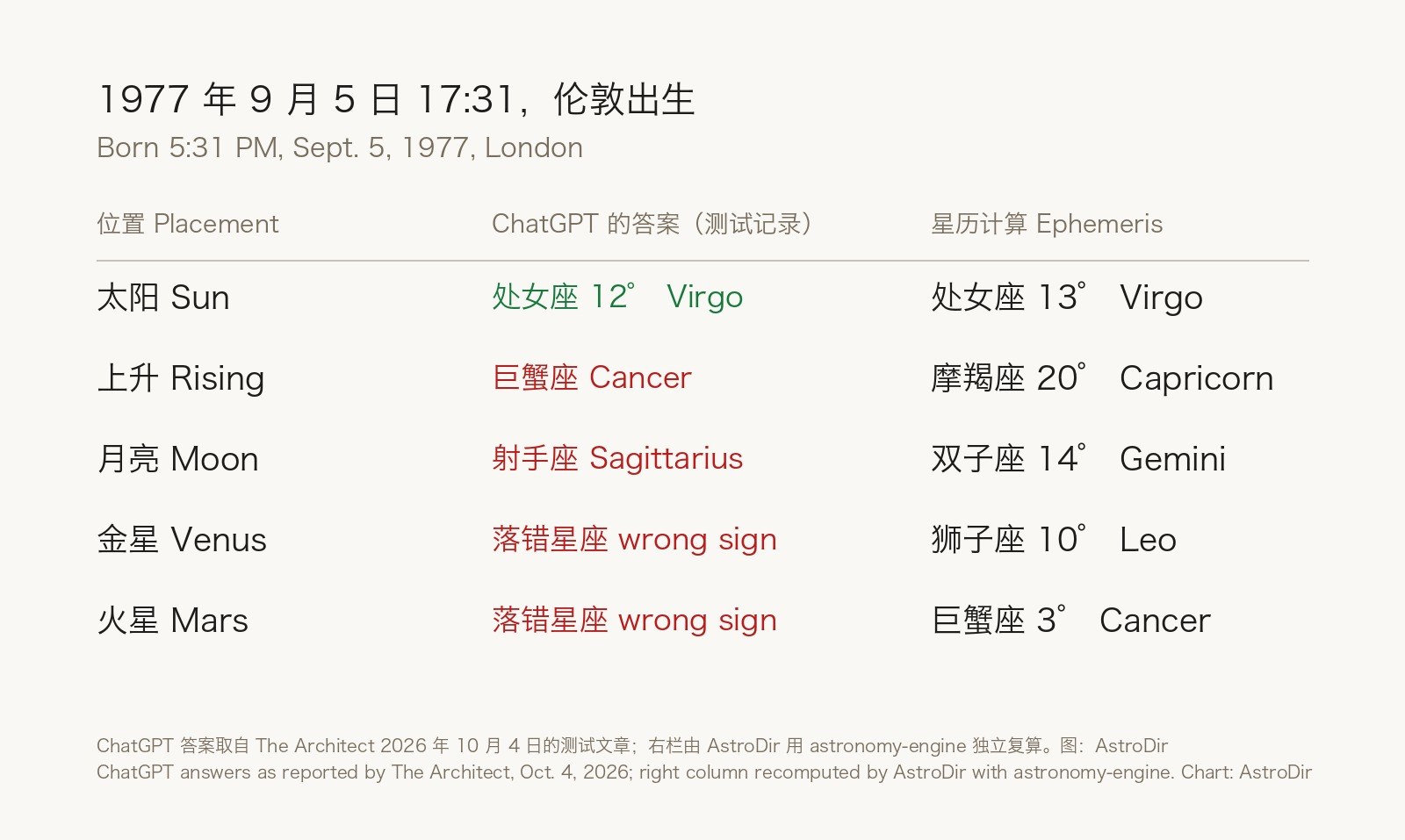
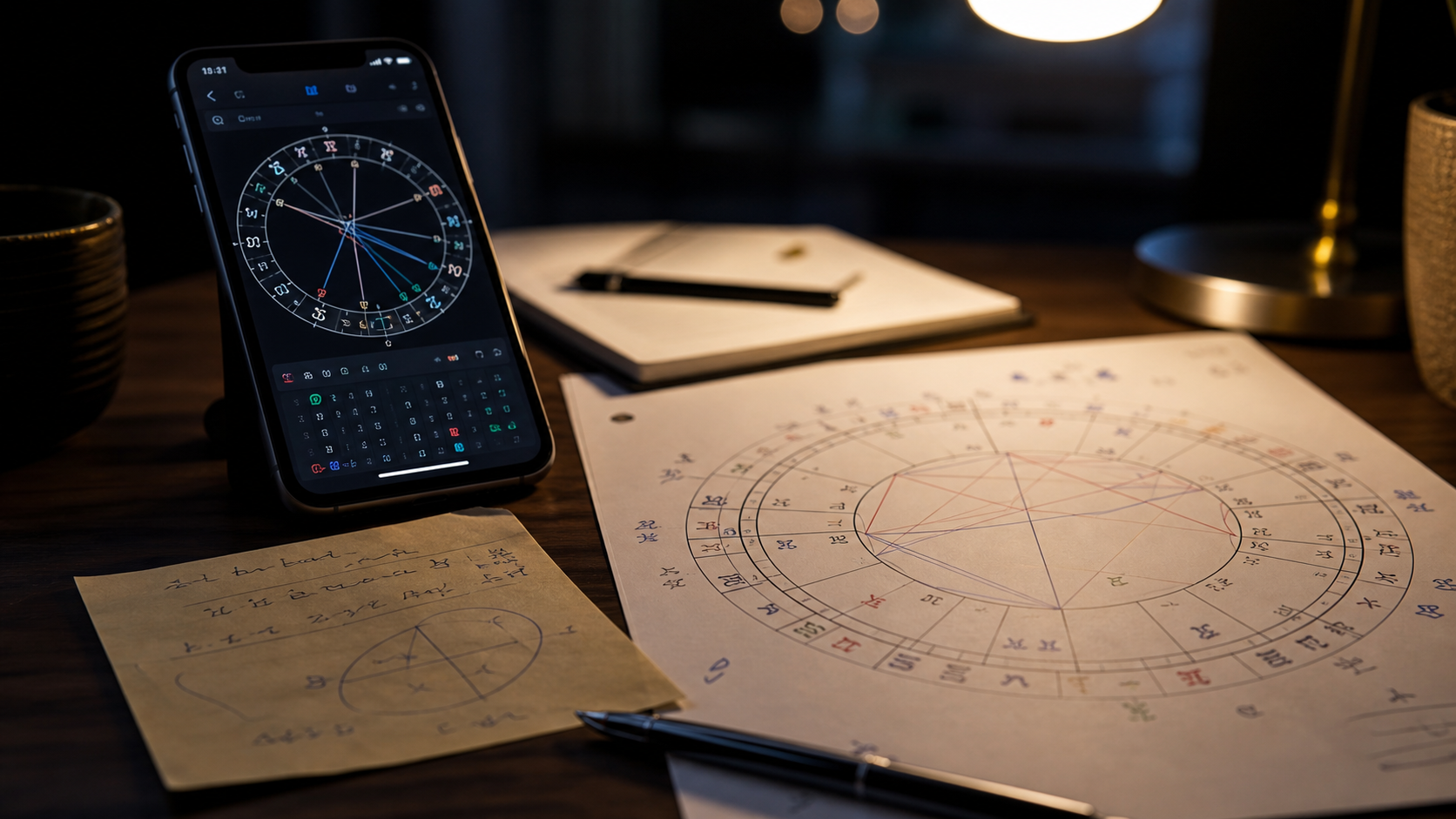
A polished Bazi, tarot, or astrology answer can still be wrong if the birth time, lunar conversion, chart data, or card draw is wrong first. Agent skills matter because they can put the procedure before the prose.
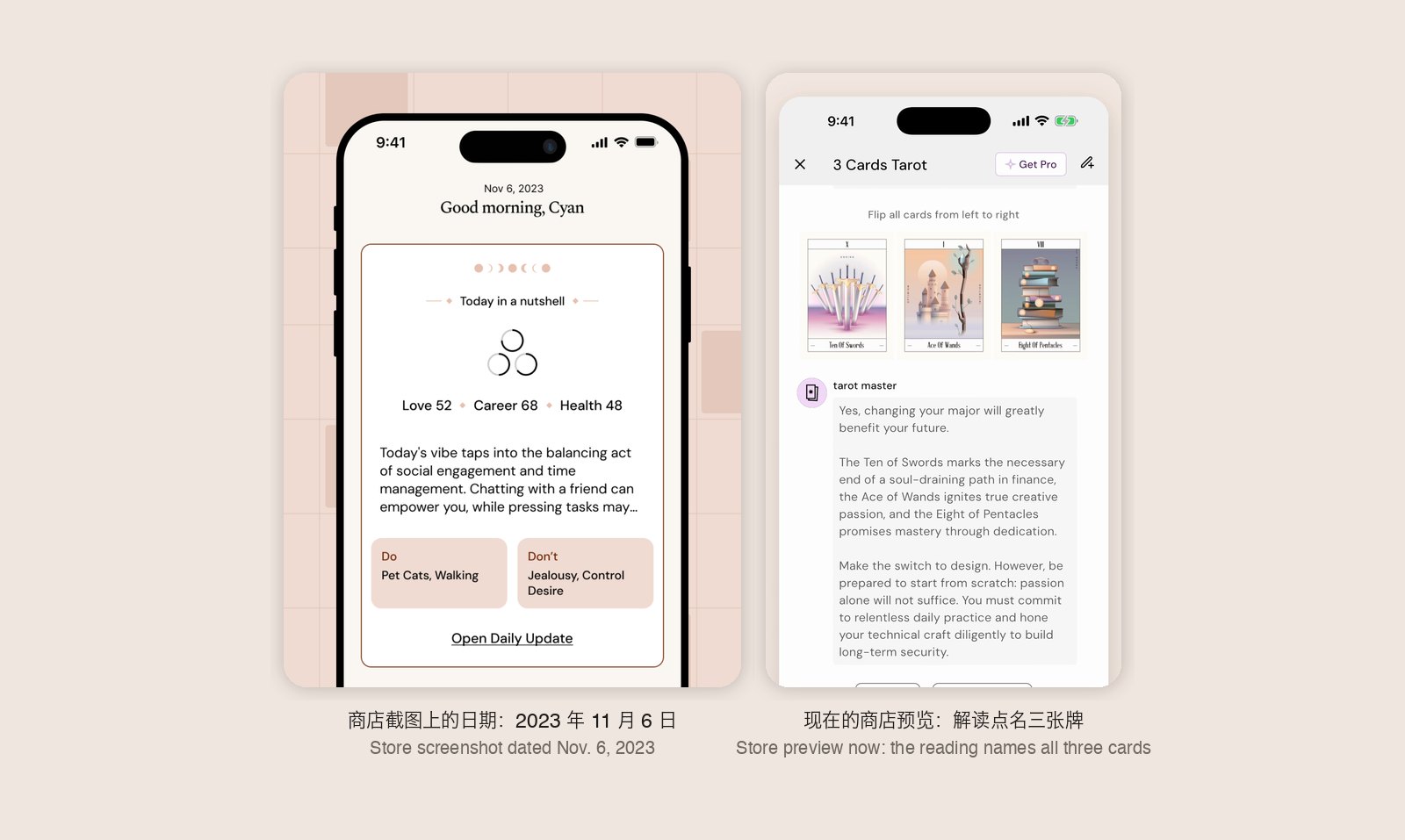
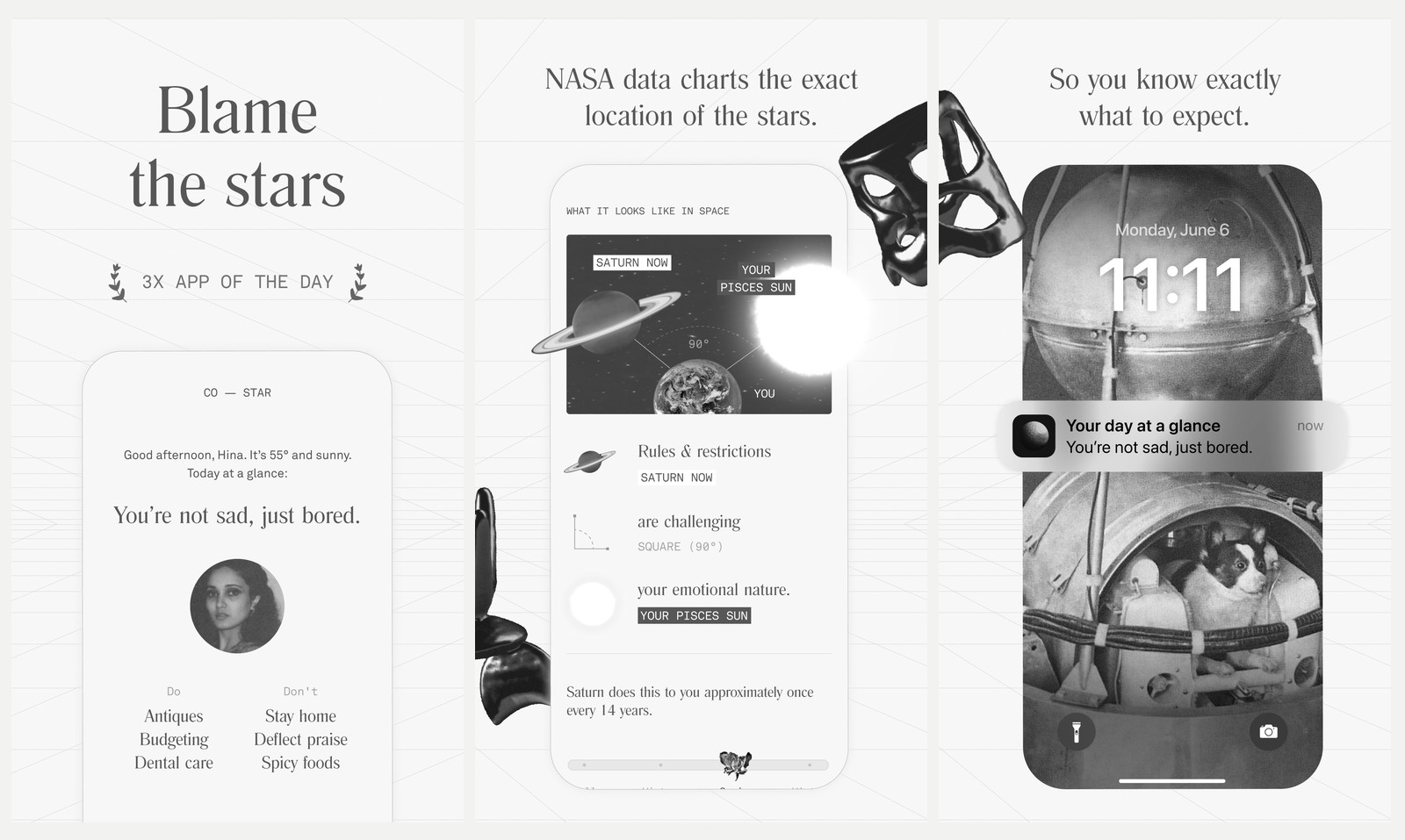
Daily signals from astrology apps, tarot tools, Bazi products, divination sites, and AI metaphysics tools.
A polished Bazi, tarot, or astrology answer can still be wrong if the birth time, lunar conversion, chart data, or card draw is wrong first. Agent skills matter because they can put the procedure before the prose.

A newer group of AI I Ching apps points to the same product shift: the reading is moving from one-off hexagram output into memory, calendars, follow-up questions, and action plans.

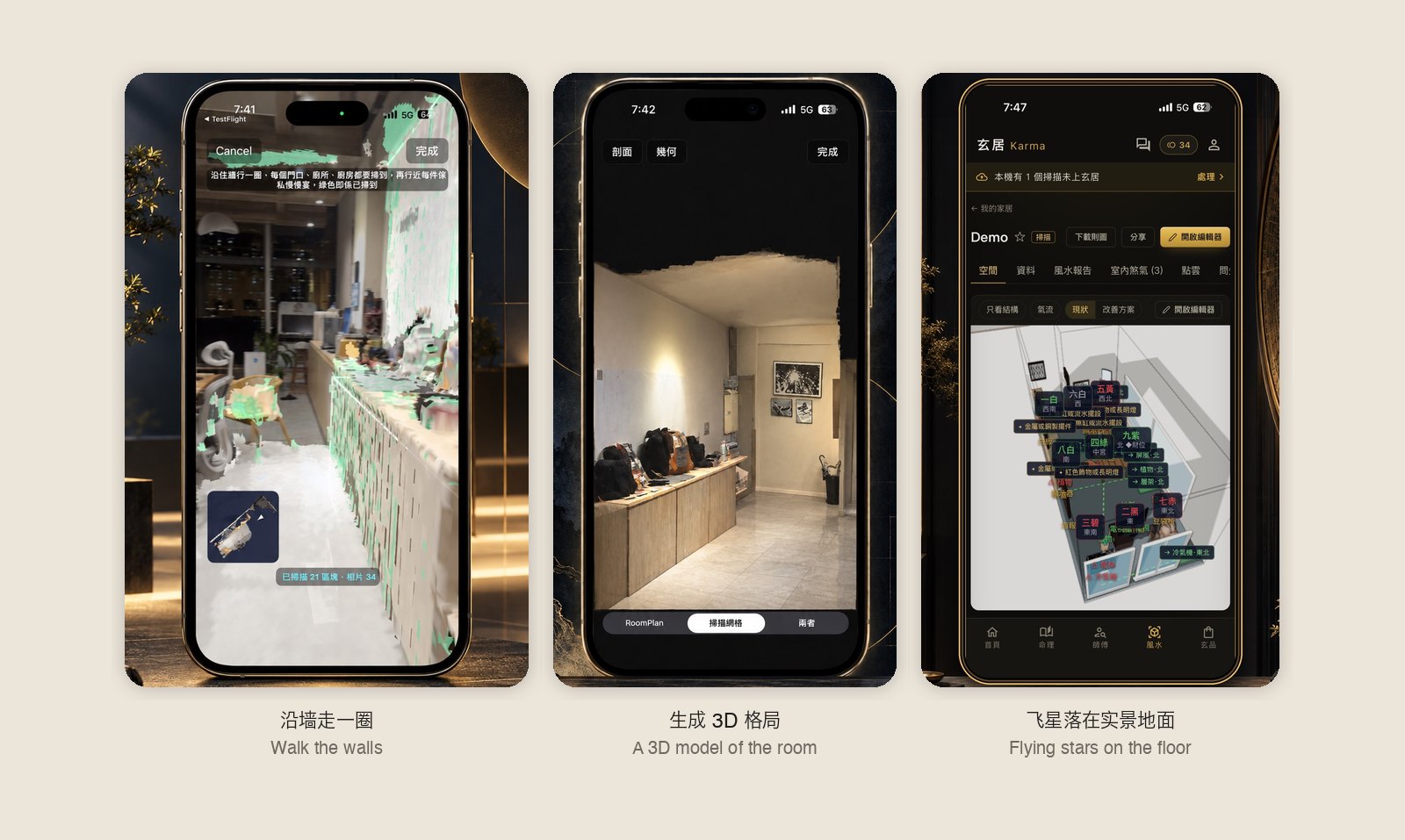
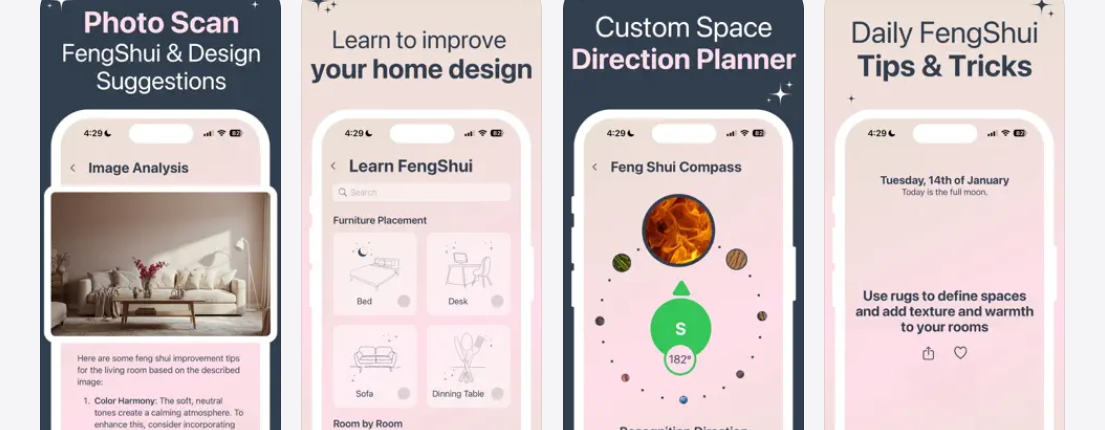
Room photos, floor plans, and LiDAR scans are moving into the core flow of Feng Shui apps. The market is early, but the new shape is visible: AI reads the space before it gives advice.

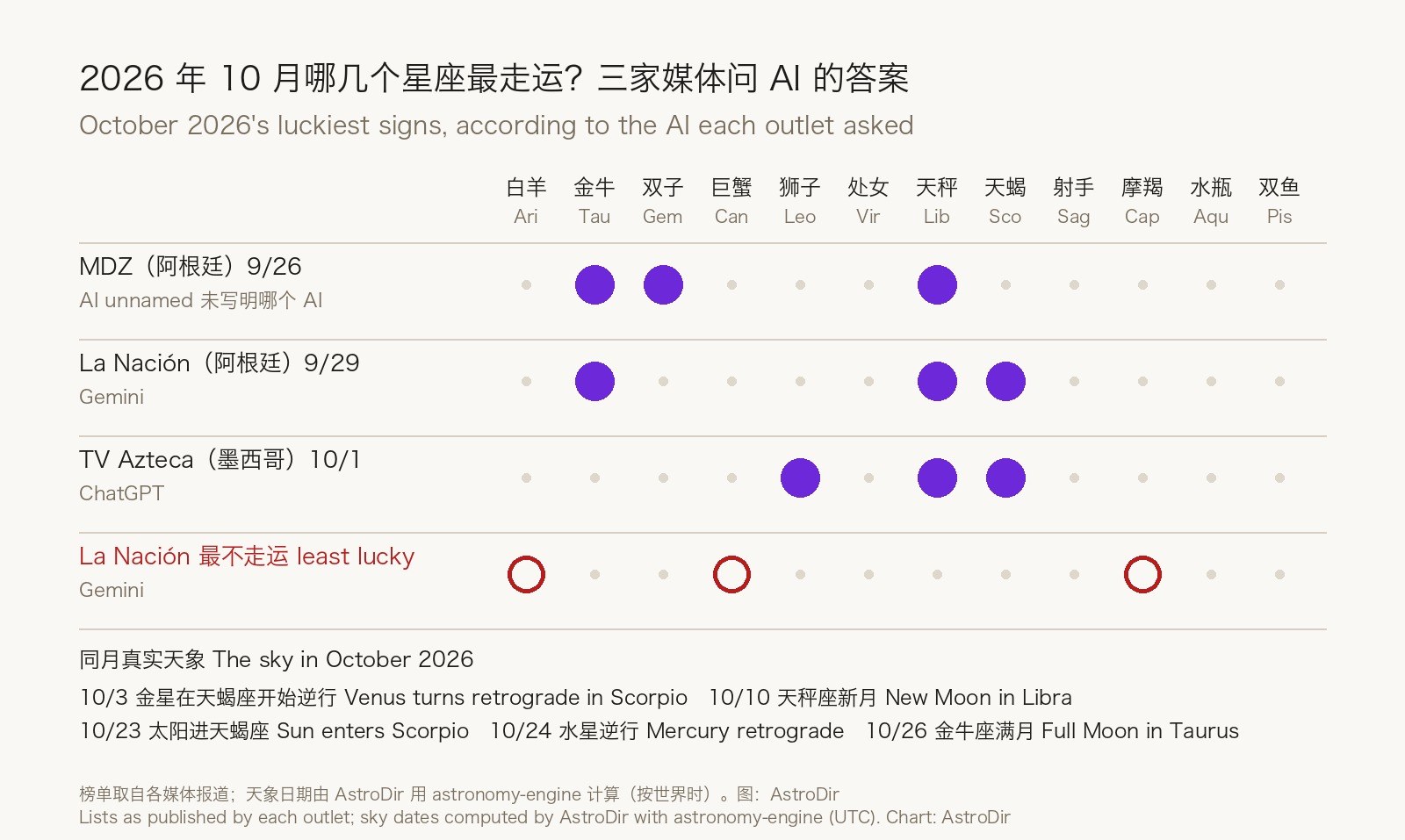
AI astrology can make an answer sound smooth, but birth time, birthplace, timezone, zodiac setting, and house system choices still decide what chart the answer is built on.

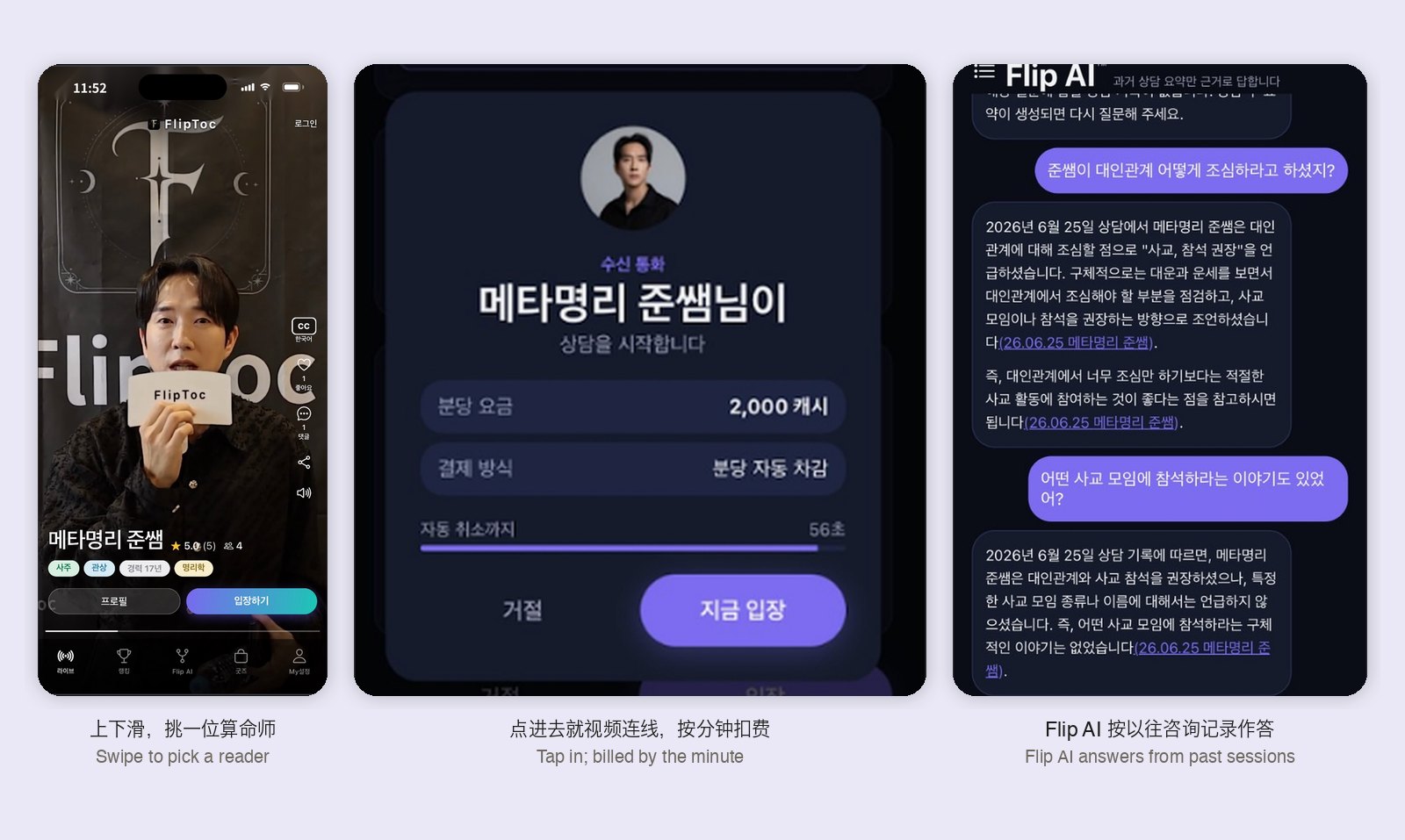
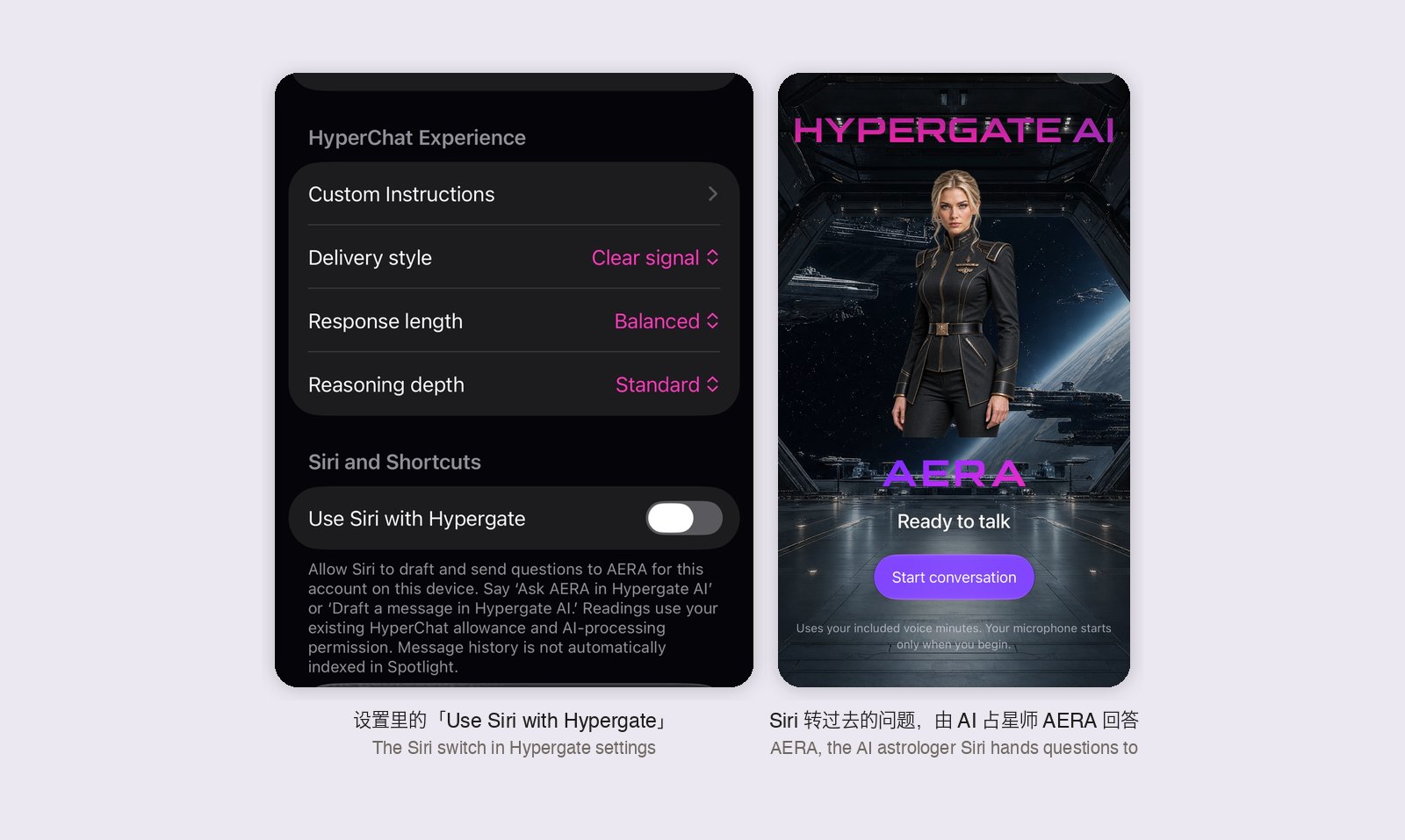
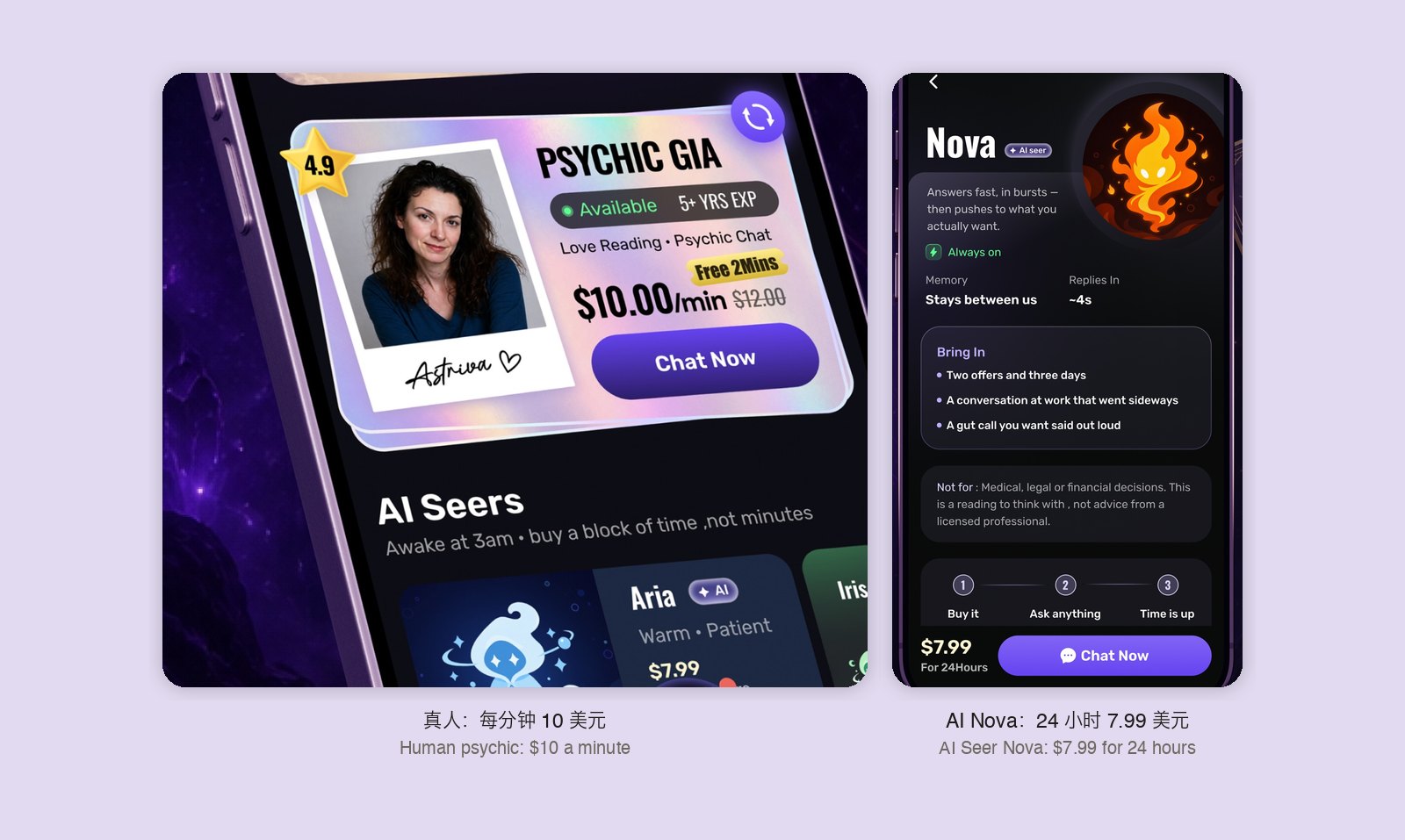
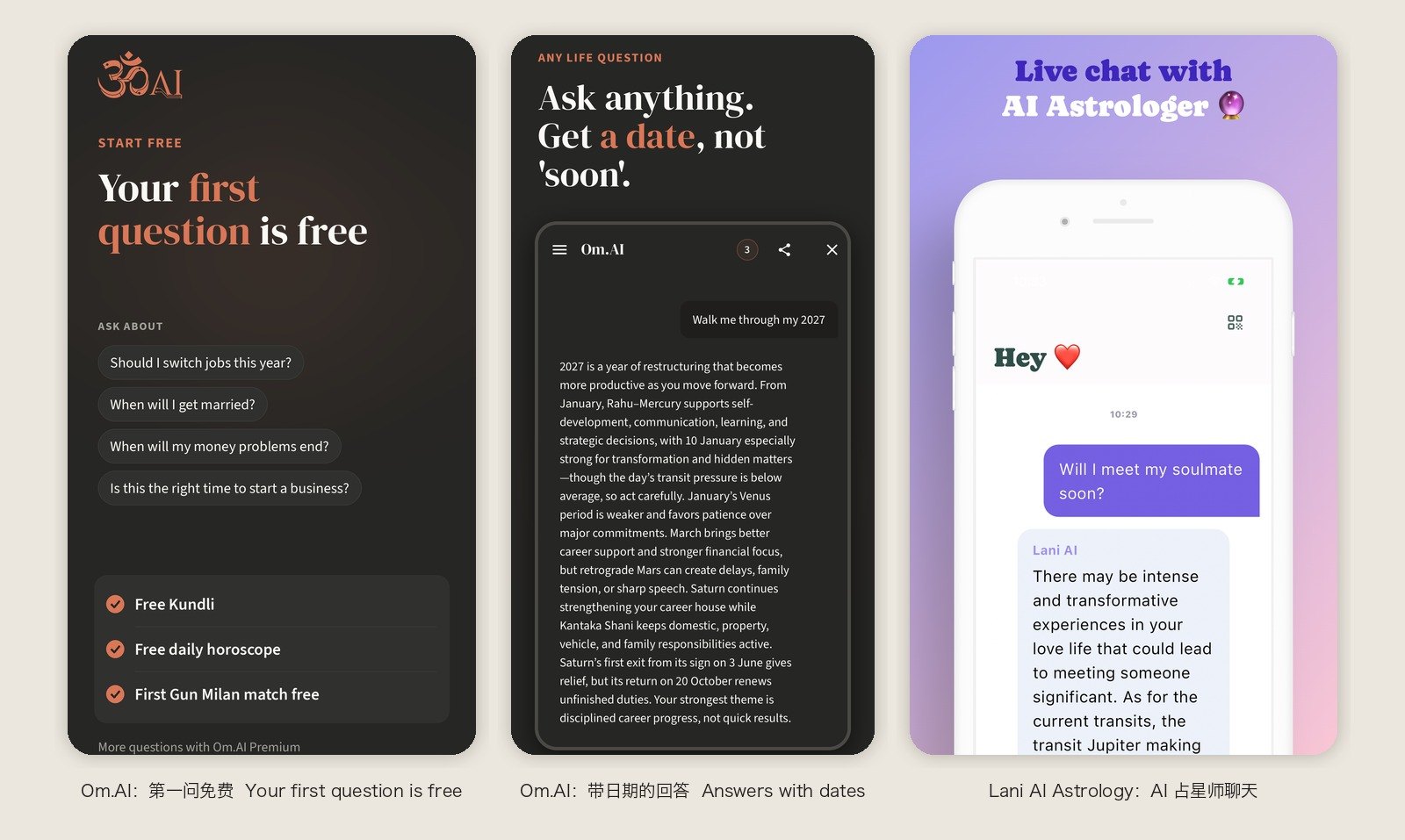
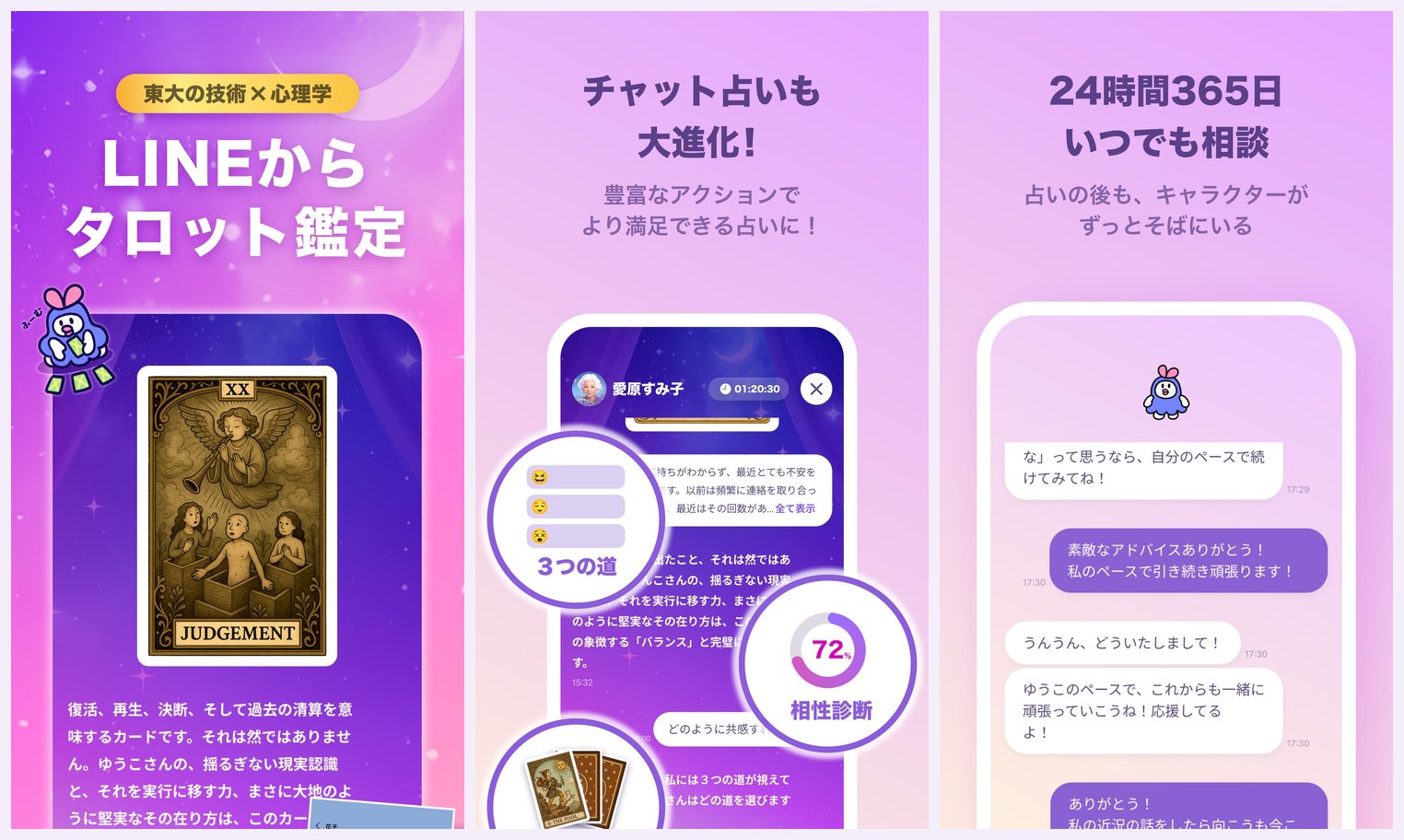
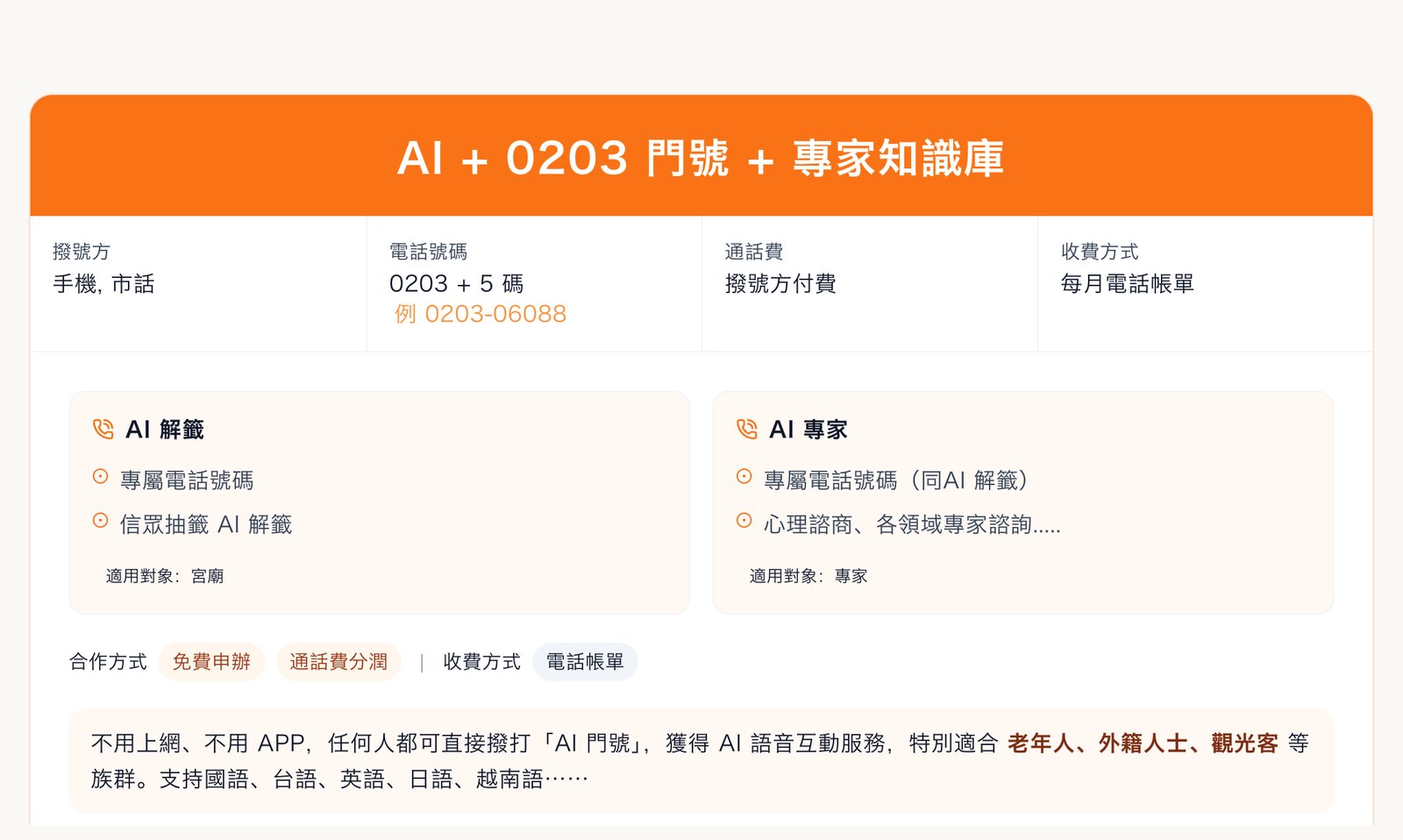
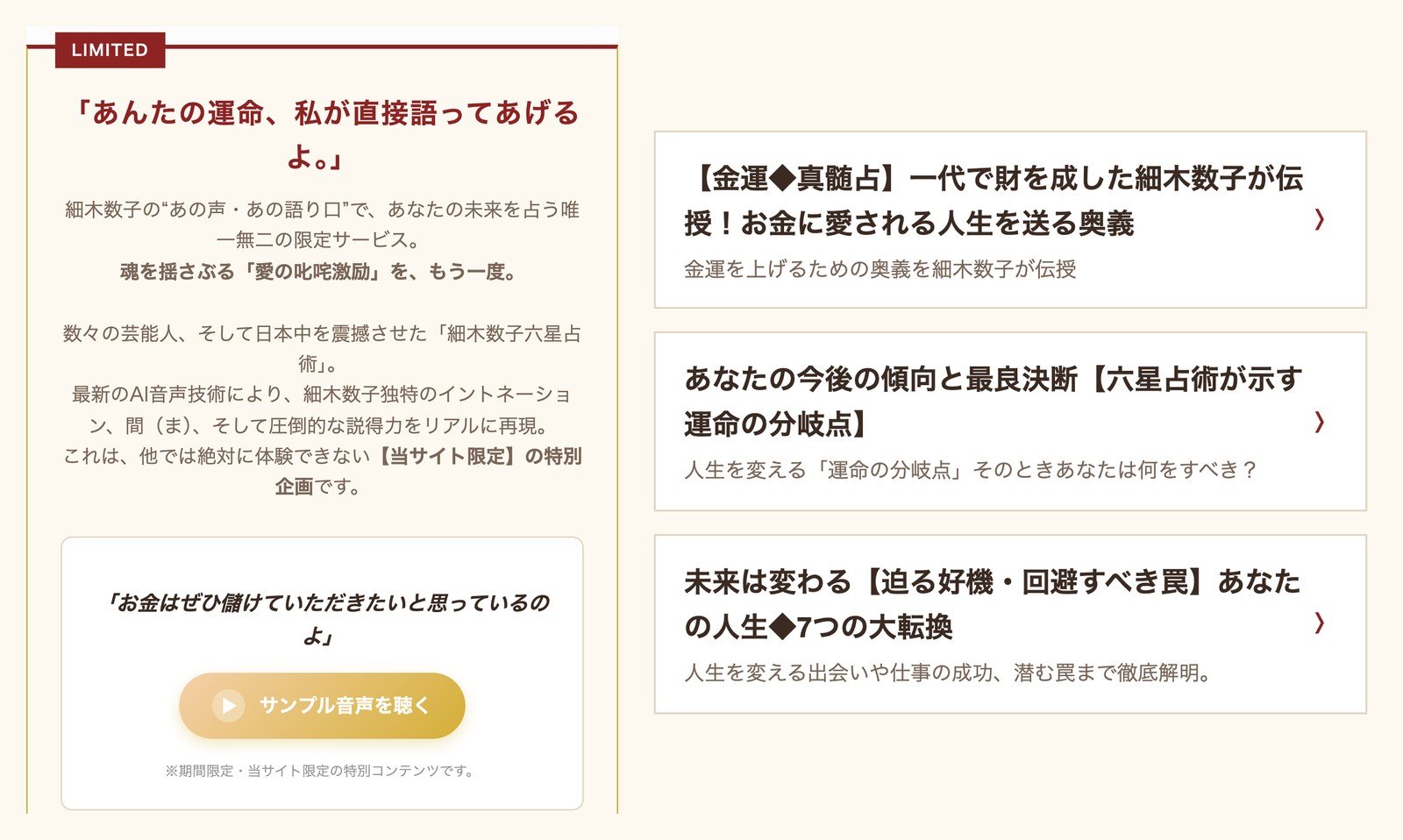
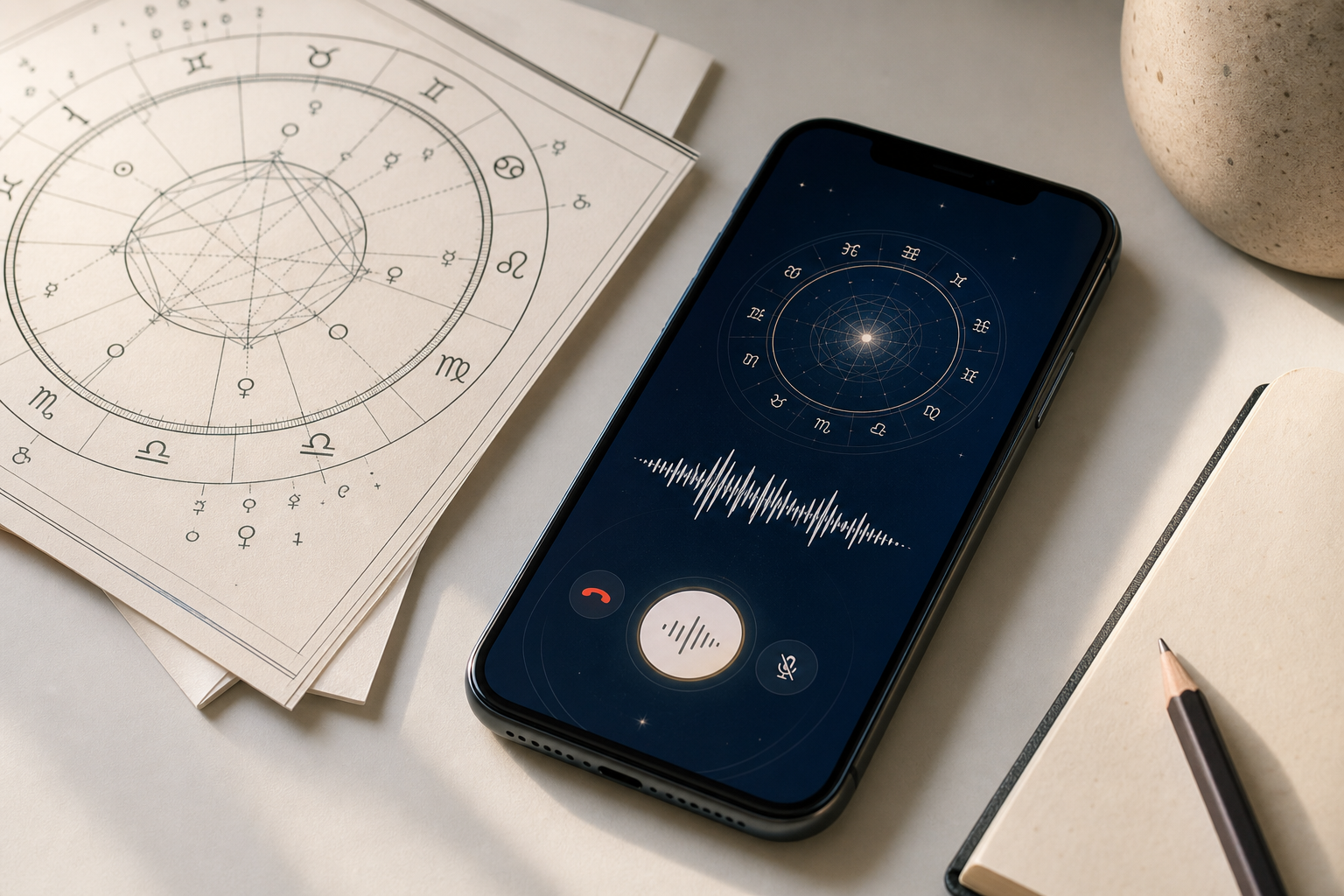
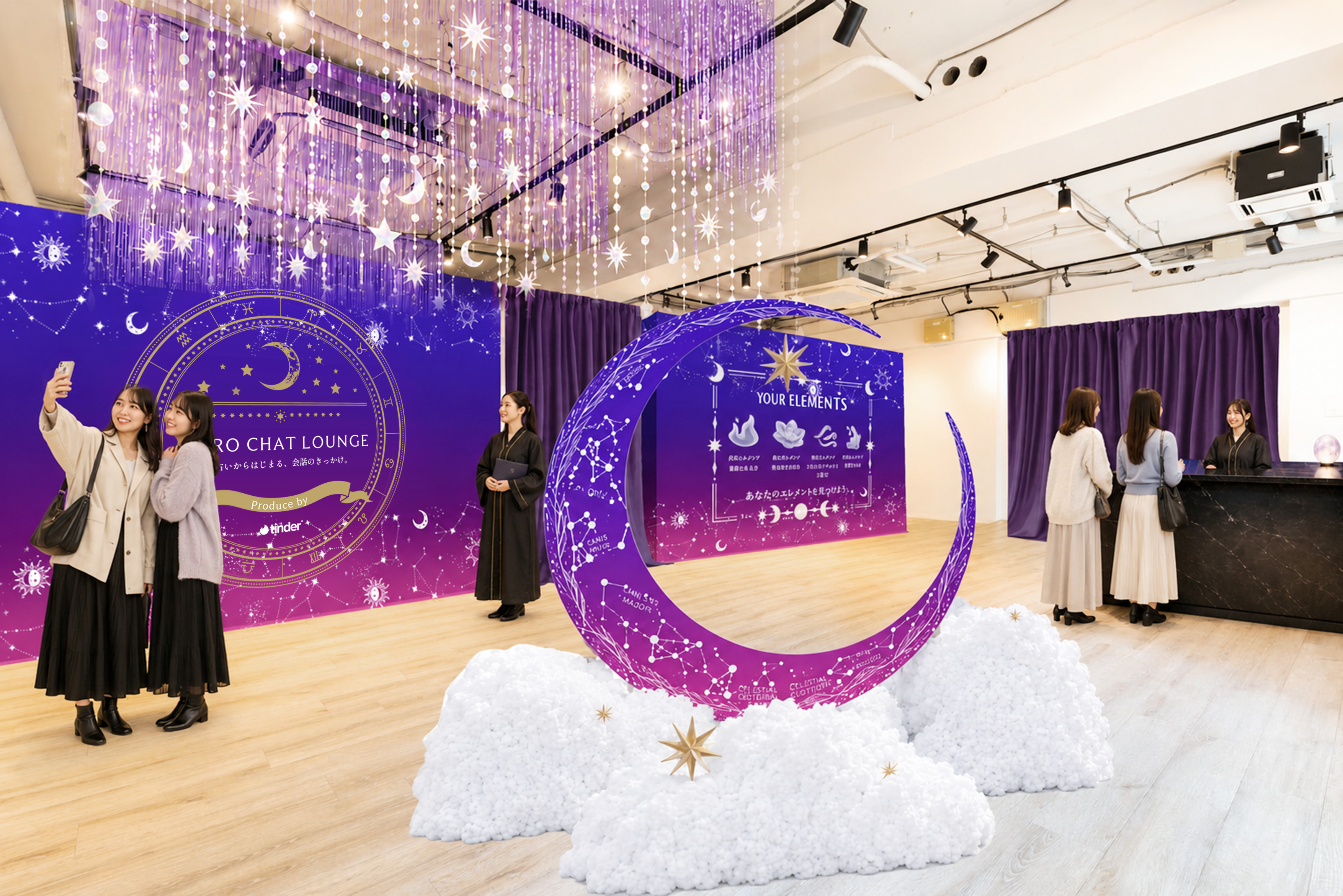
PANDIT AI, AstroVoice, AstroFate, and Tomorrow point to a small but important shift: astrology and divination apps are moving from typed questions toward spoken, always-available consultation.

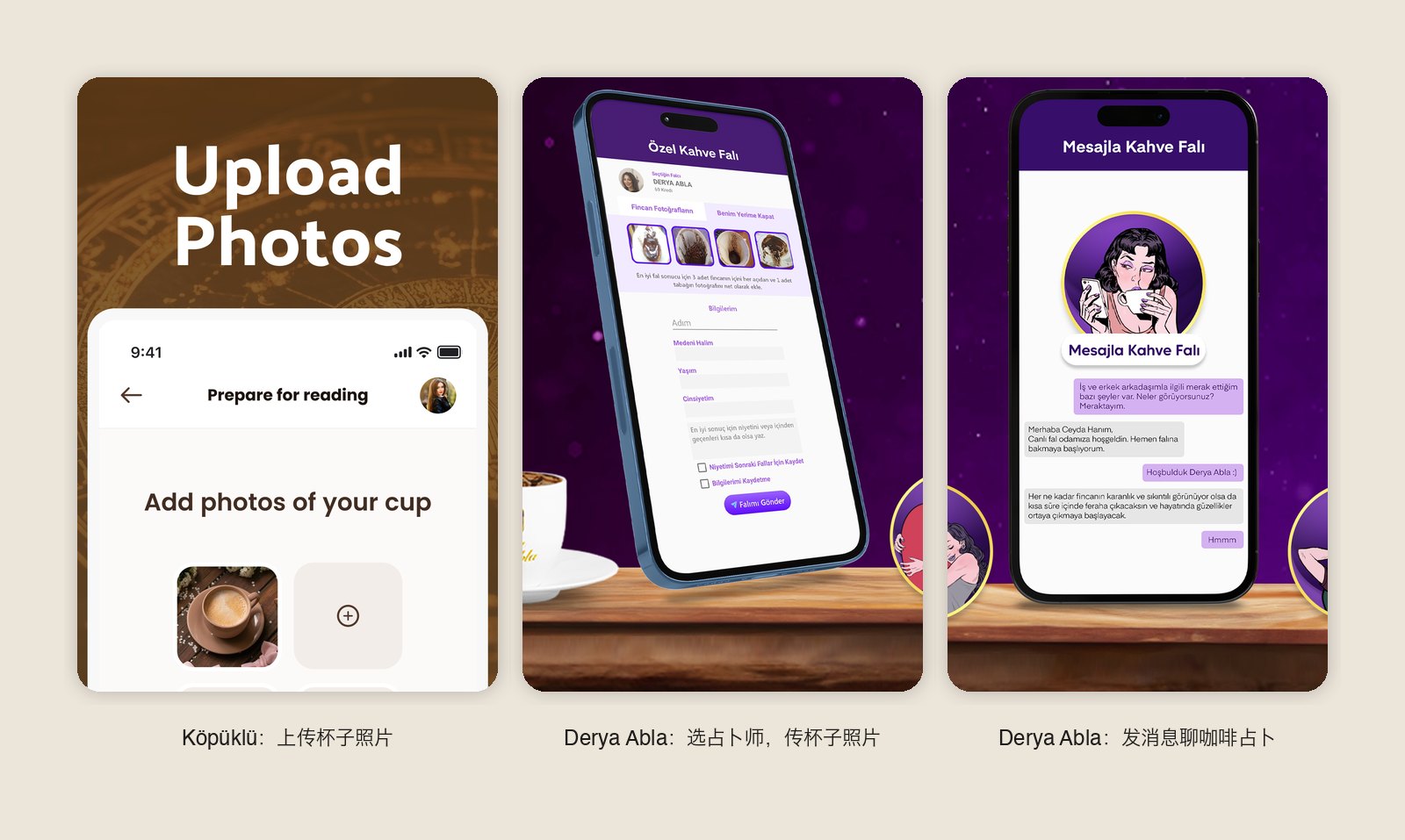
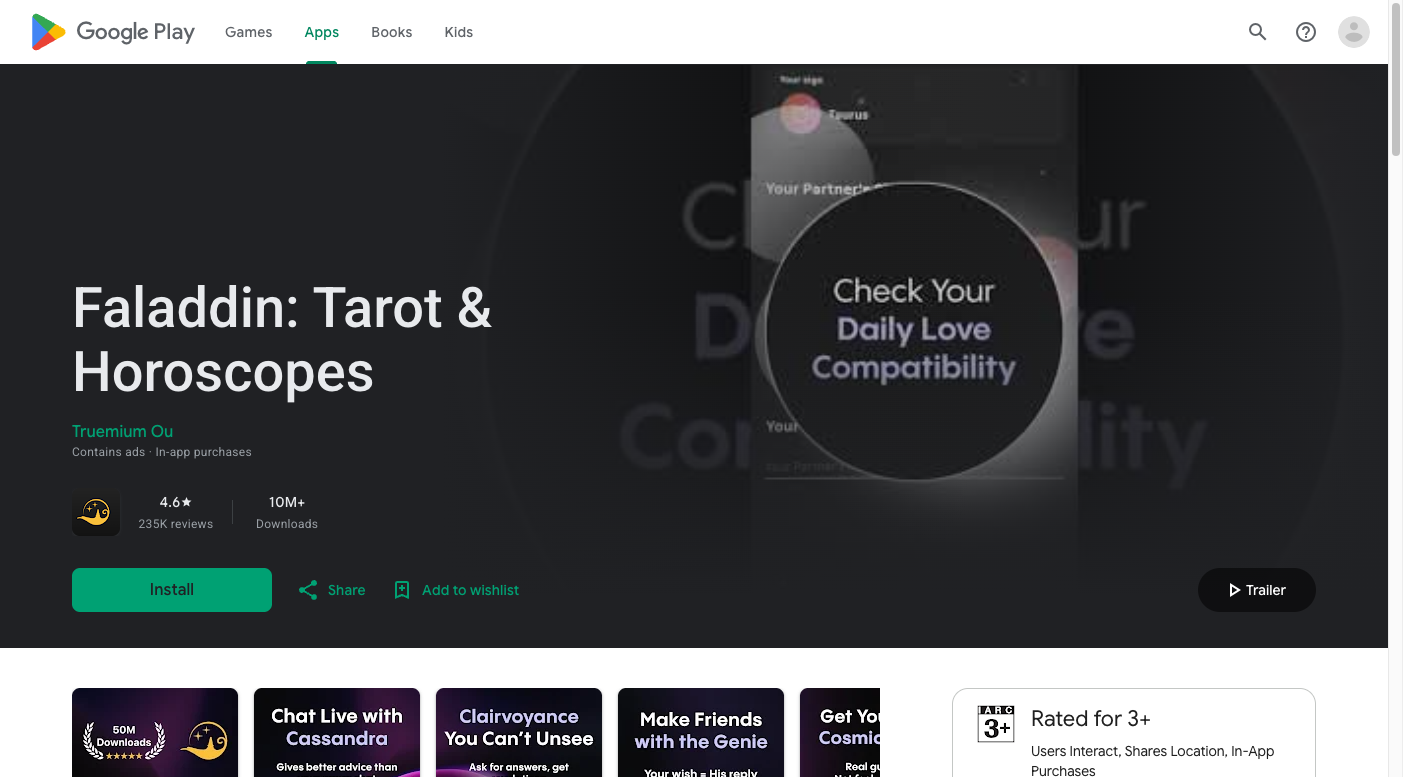
Faladdin, Binnaz, Fincan, HelloBot, and Libra show why photo divination is more than throwaway palm-reading pages. The harder test is whether the app can say what it saw, where the interpretation comes from, and how the photo is handled.
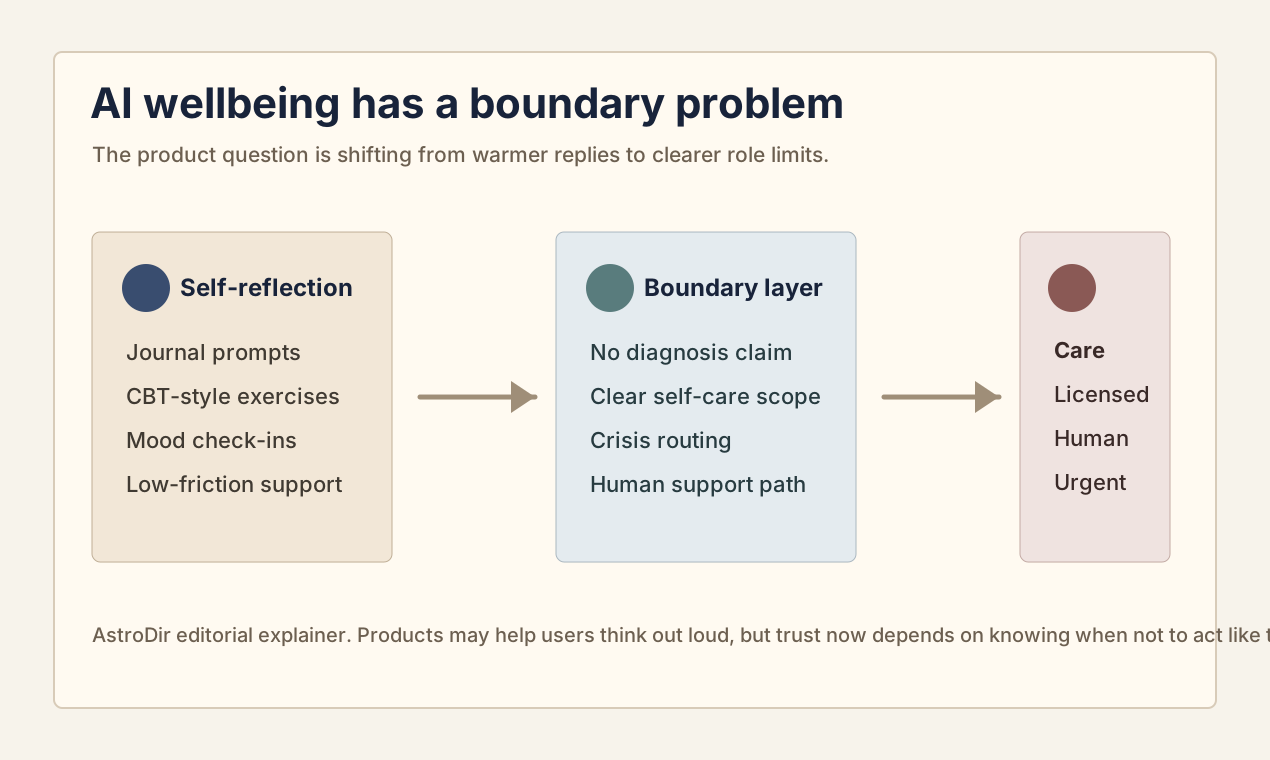
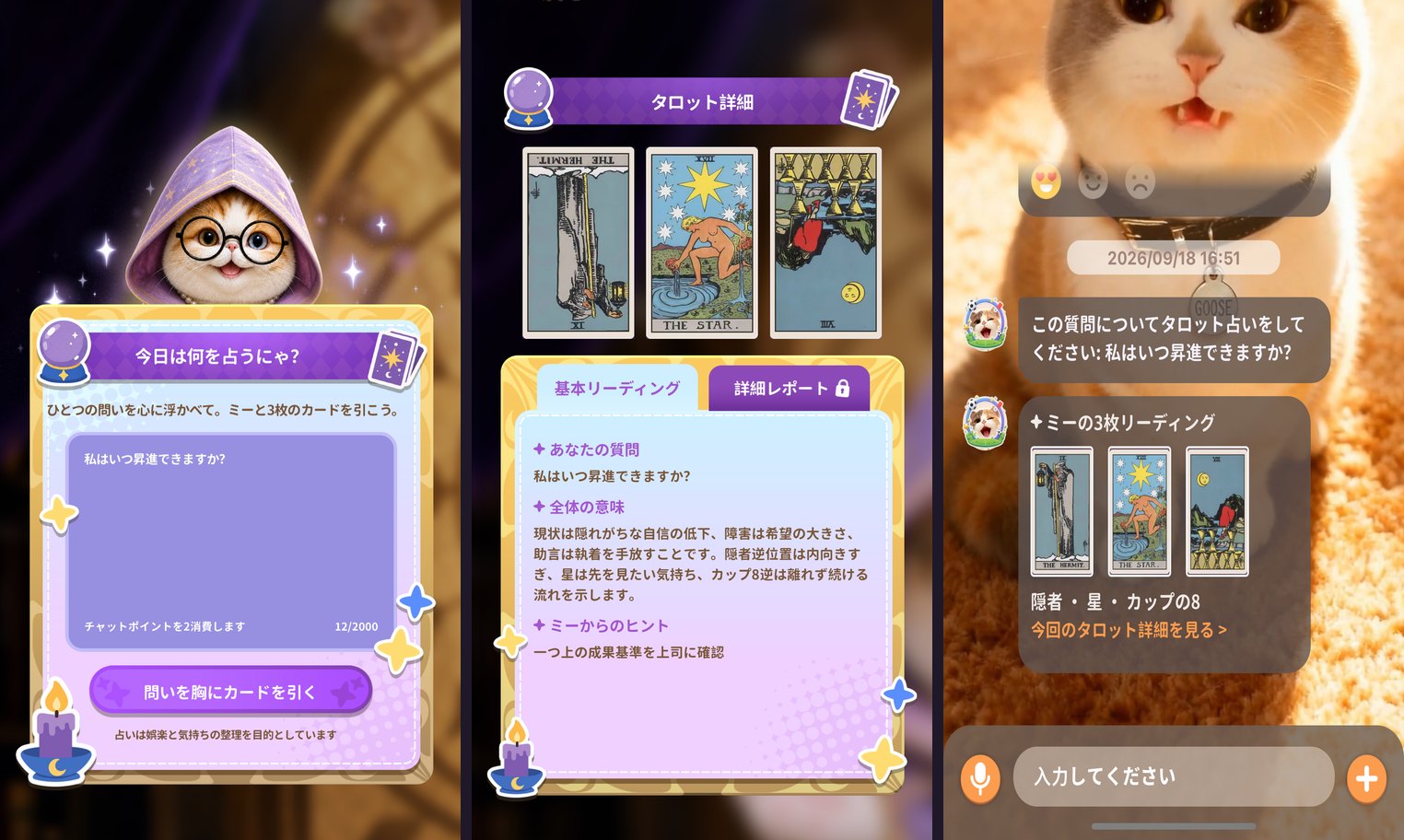
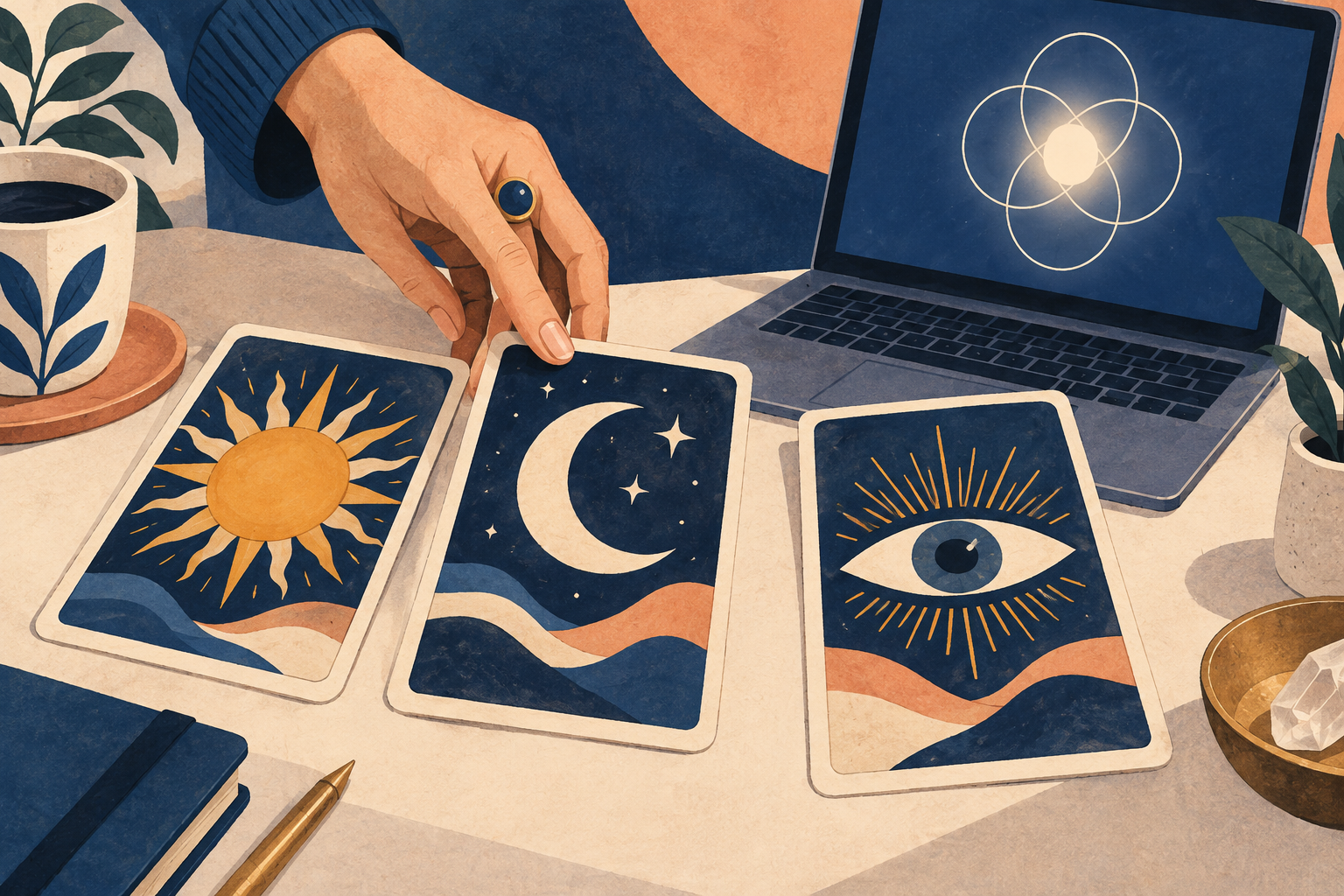
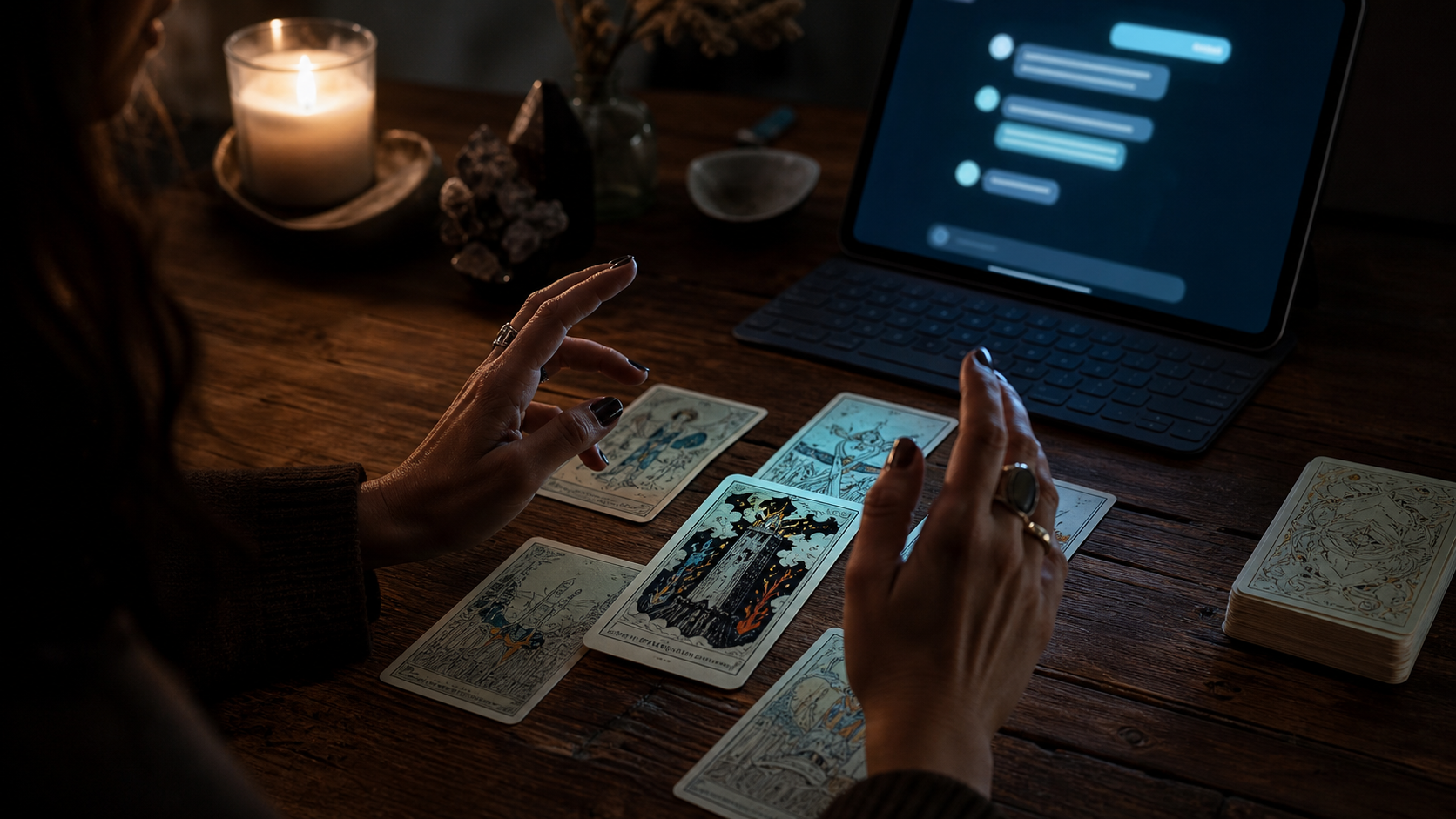
A CHI 2026 study interviewed 12 tarot practitioners who already use AI in personal readings. The interesting shift is not automated card pulling. It is AI entering the interpretive step.

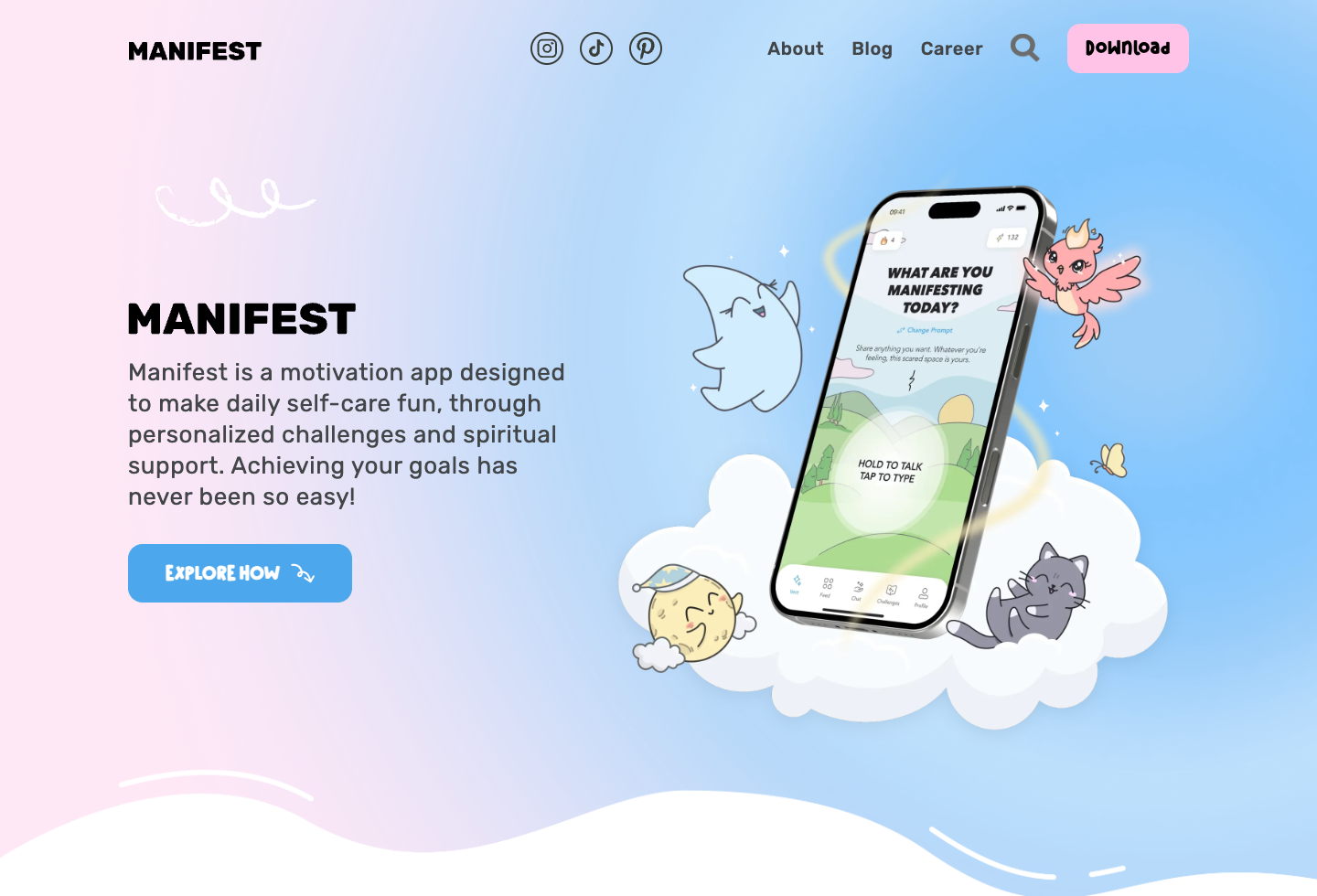
Manifest, Manifestive, and Seeded point to the same shift: manifestation apps are moving beyond affirmations and vision boards into AI chat, goal coaching, voice practice, and paid daily routines.
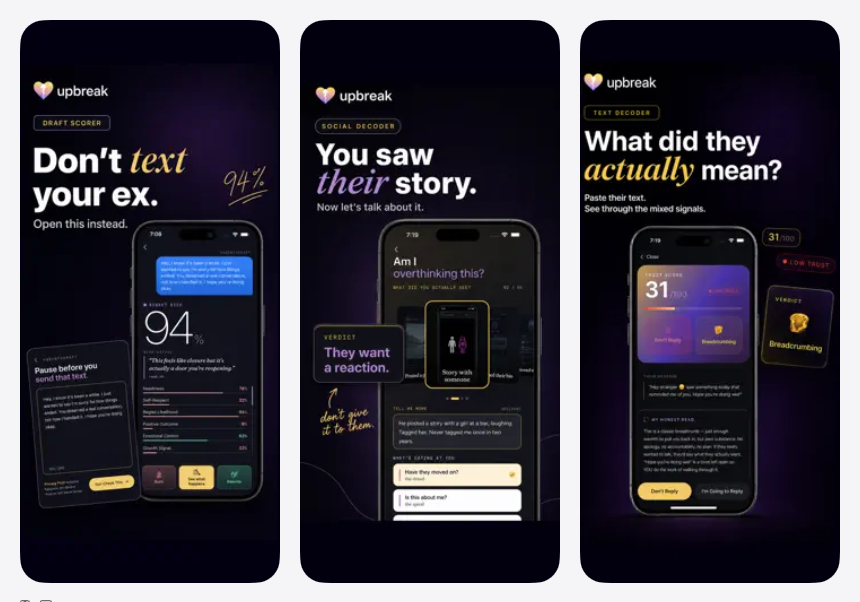
UpBreak, Choose Me, Growth, and No Contact Tracker AI point to a small but sharp product shift: breakup apps are moving into the minutes before someone texts an ex.

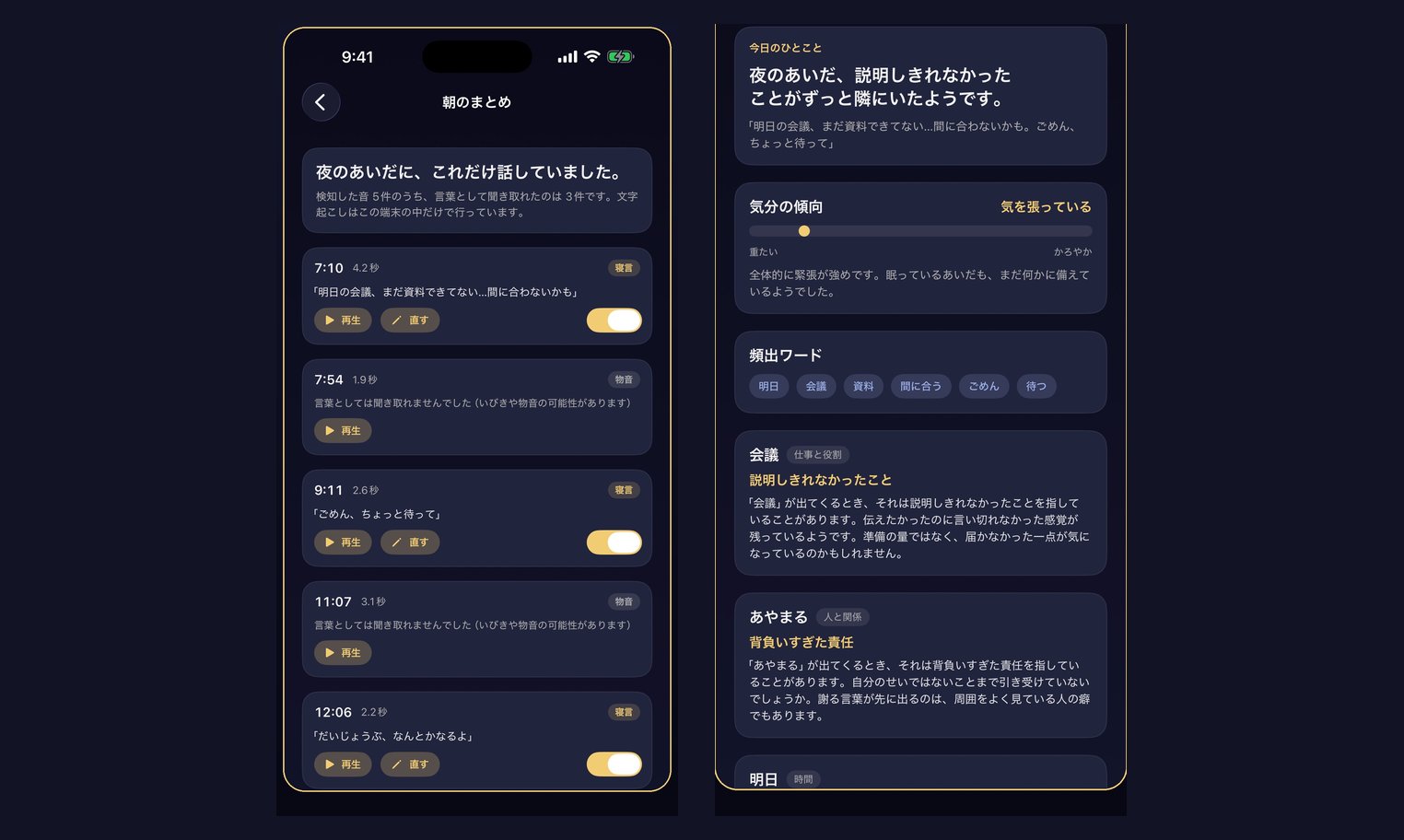
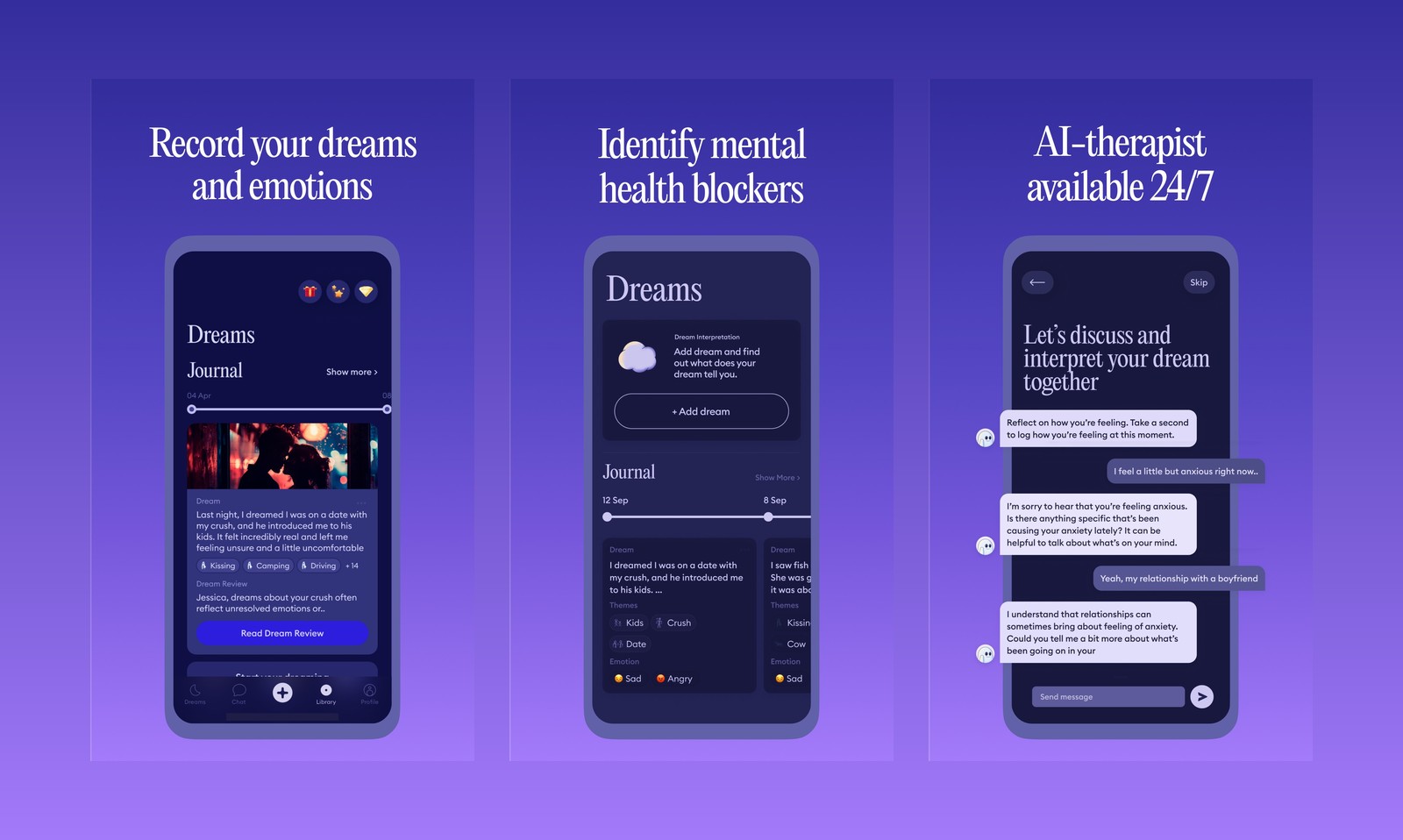
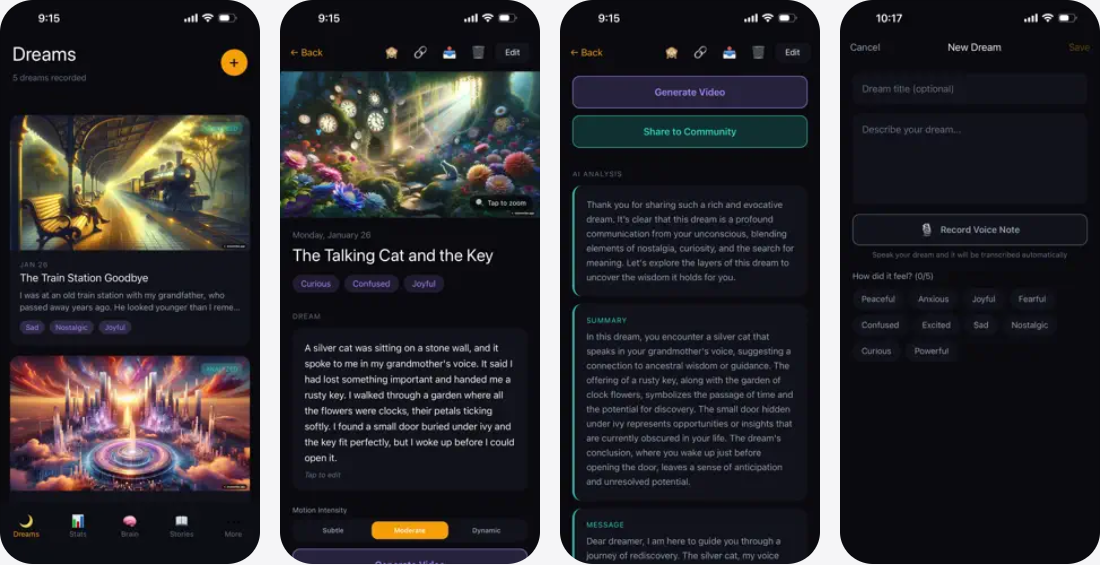
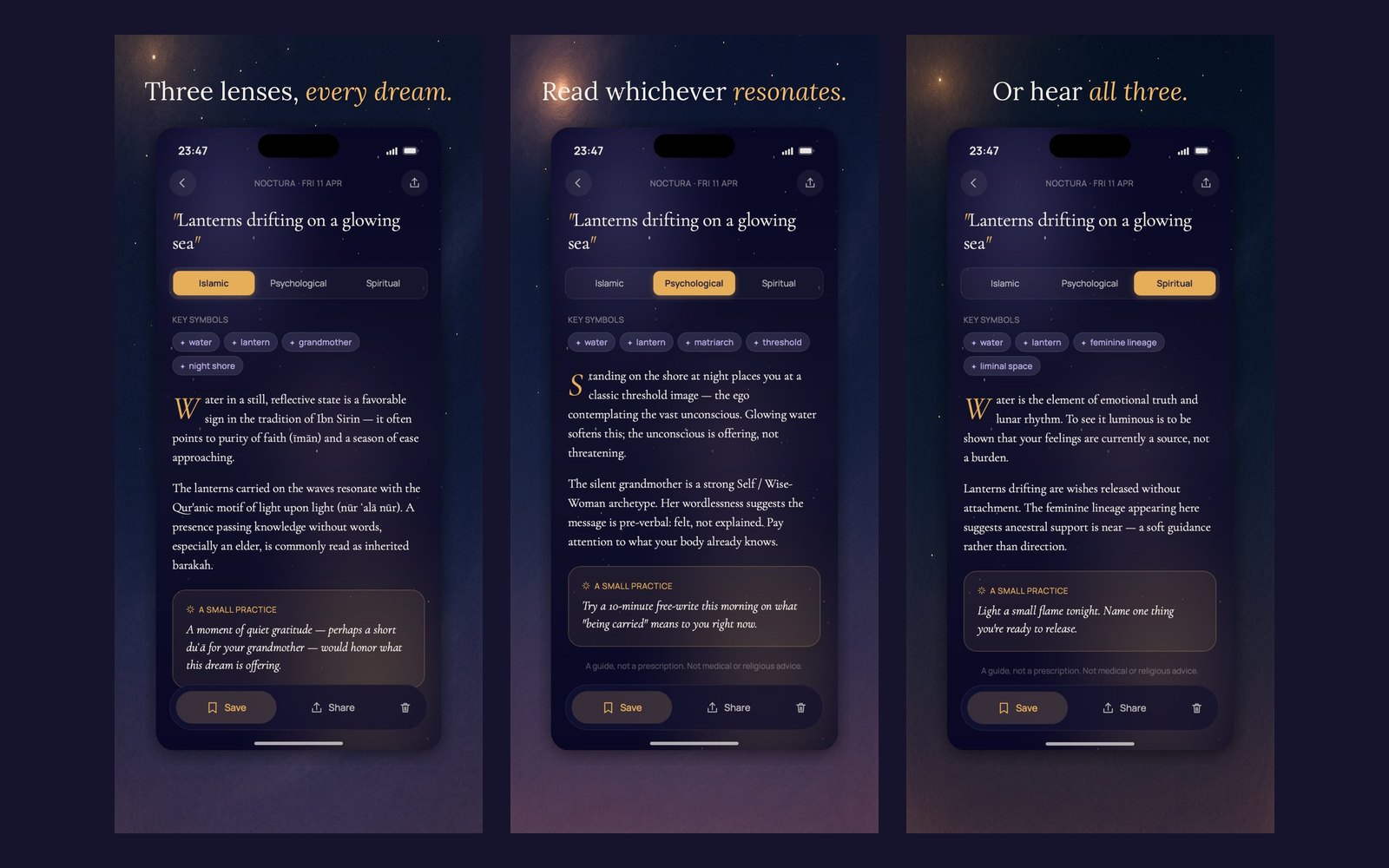
Dreamvibe, Dreamly, and Reverie show the same shift: AI dream apps are moving from one-off interpretation into sleep context, weekly reports, journal questions, and long-running personal records.
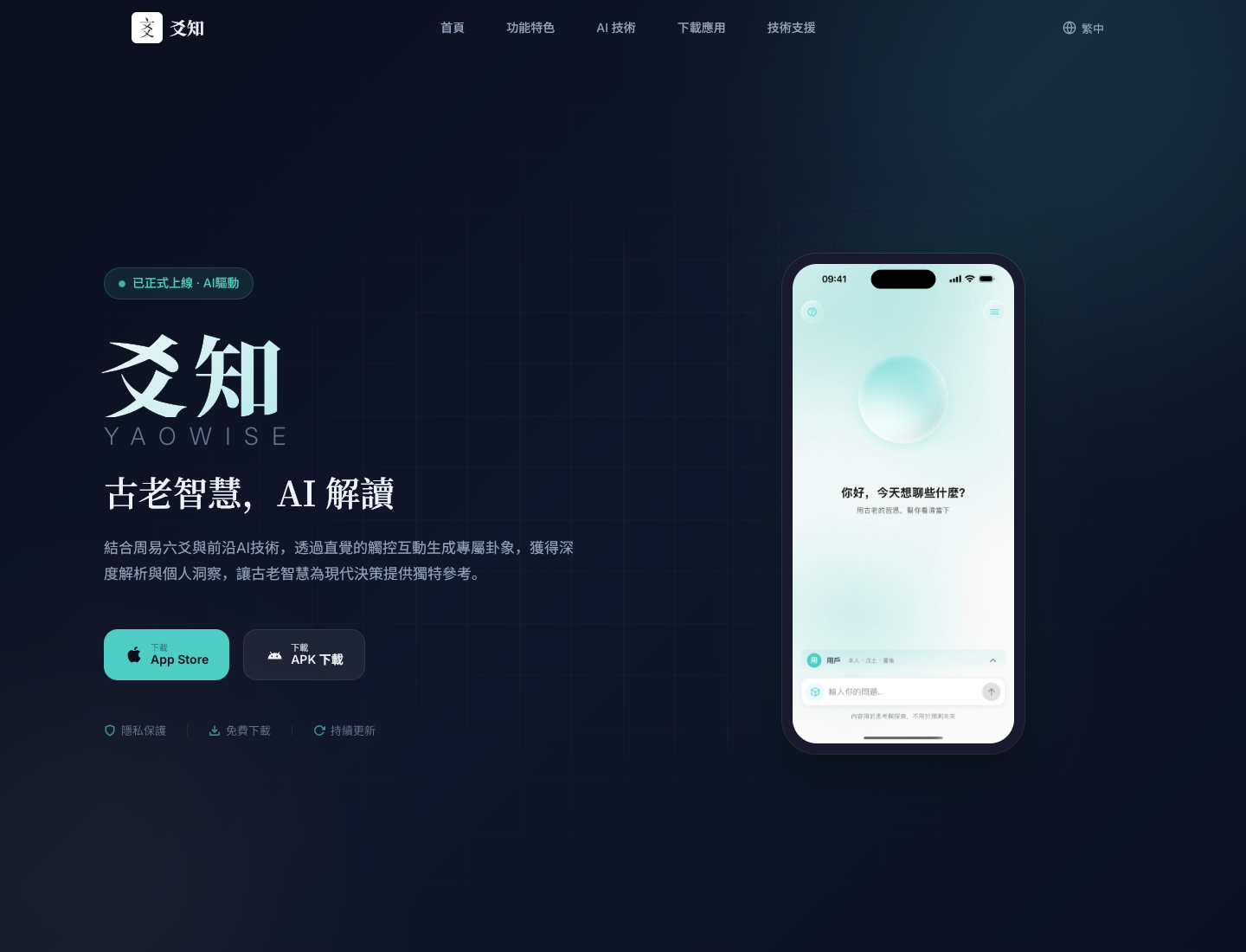
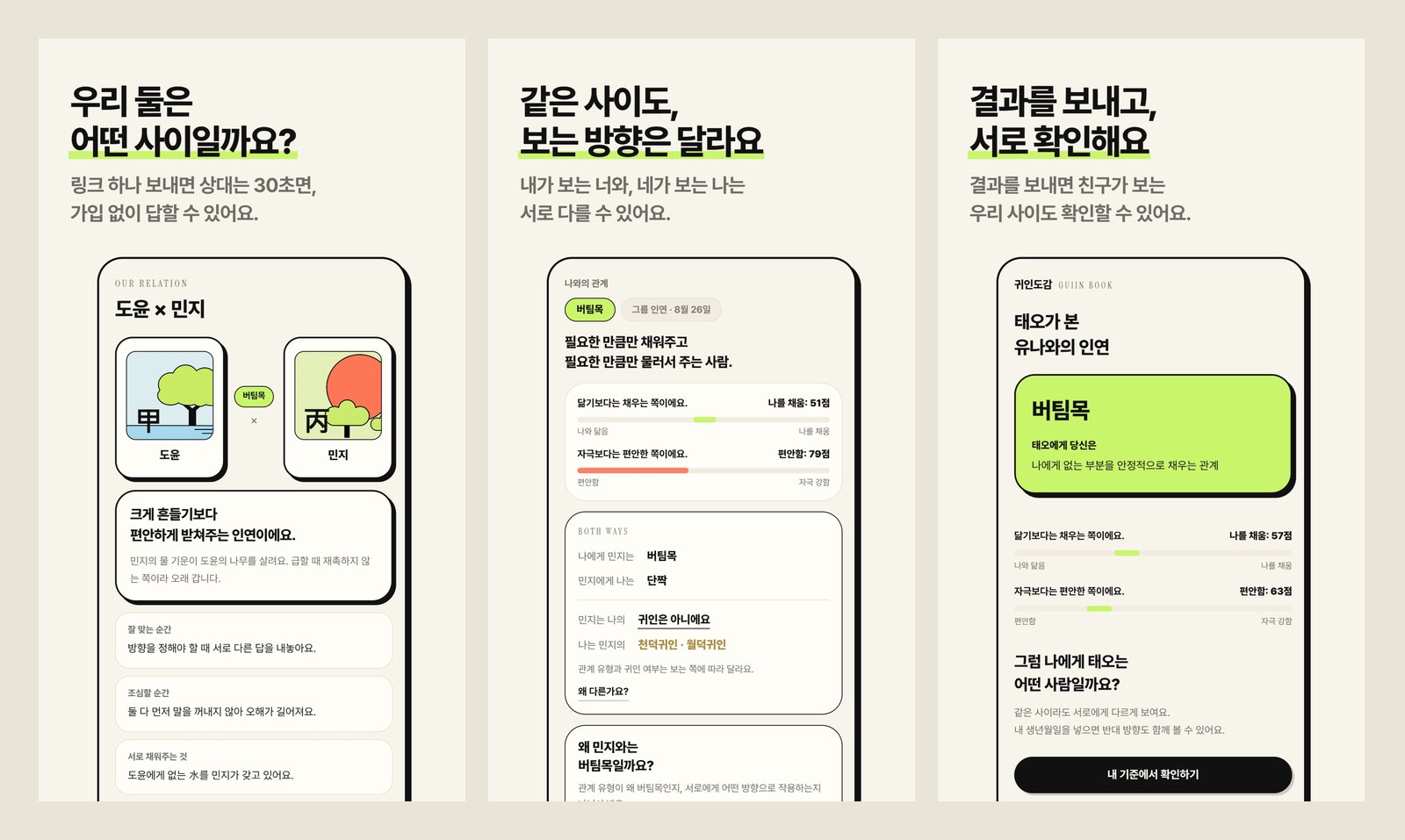
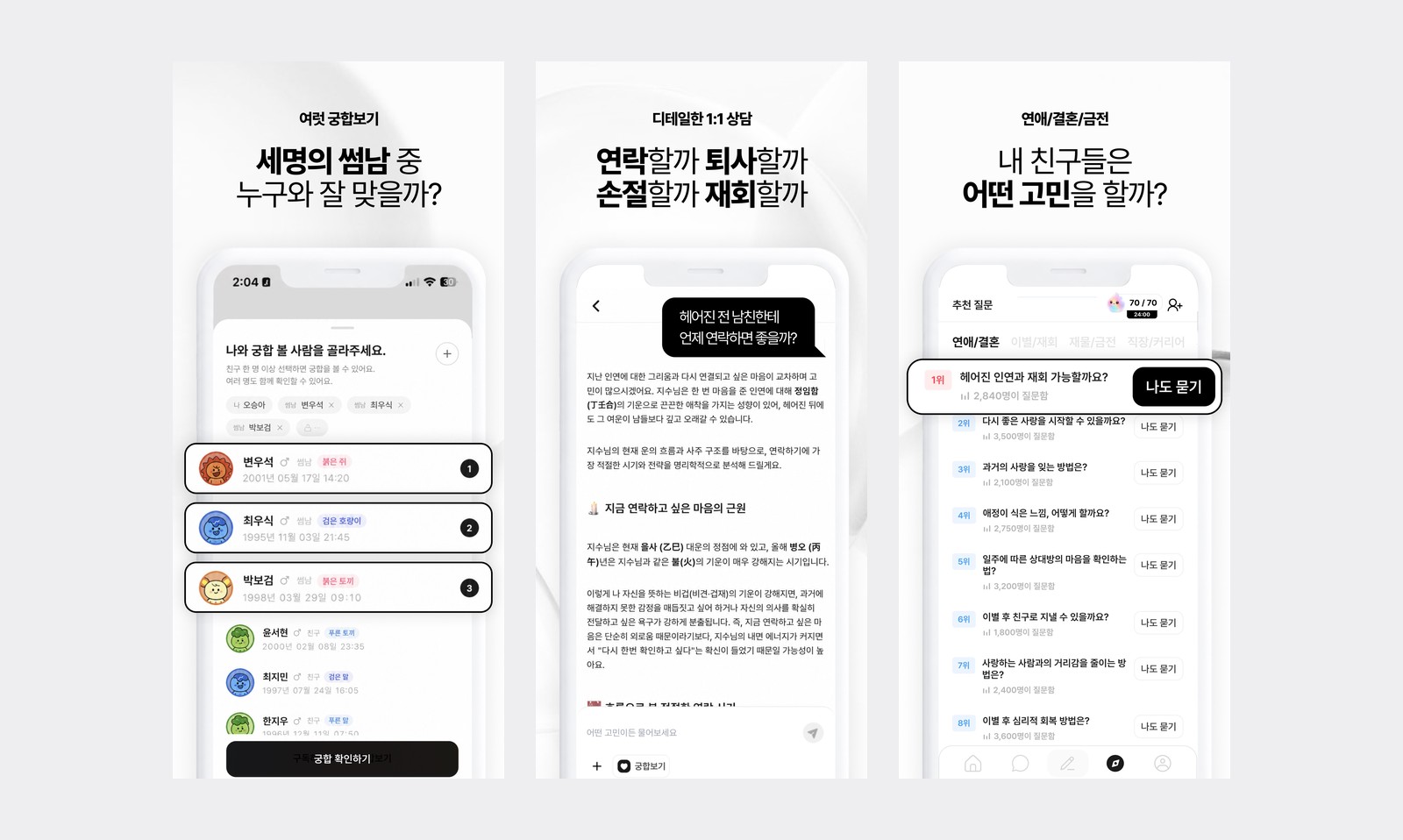
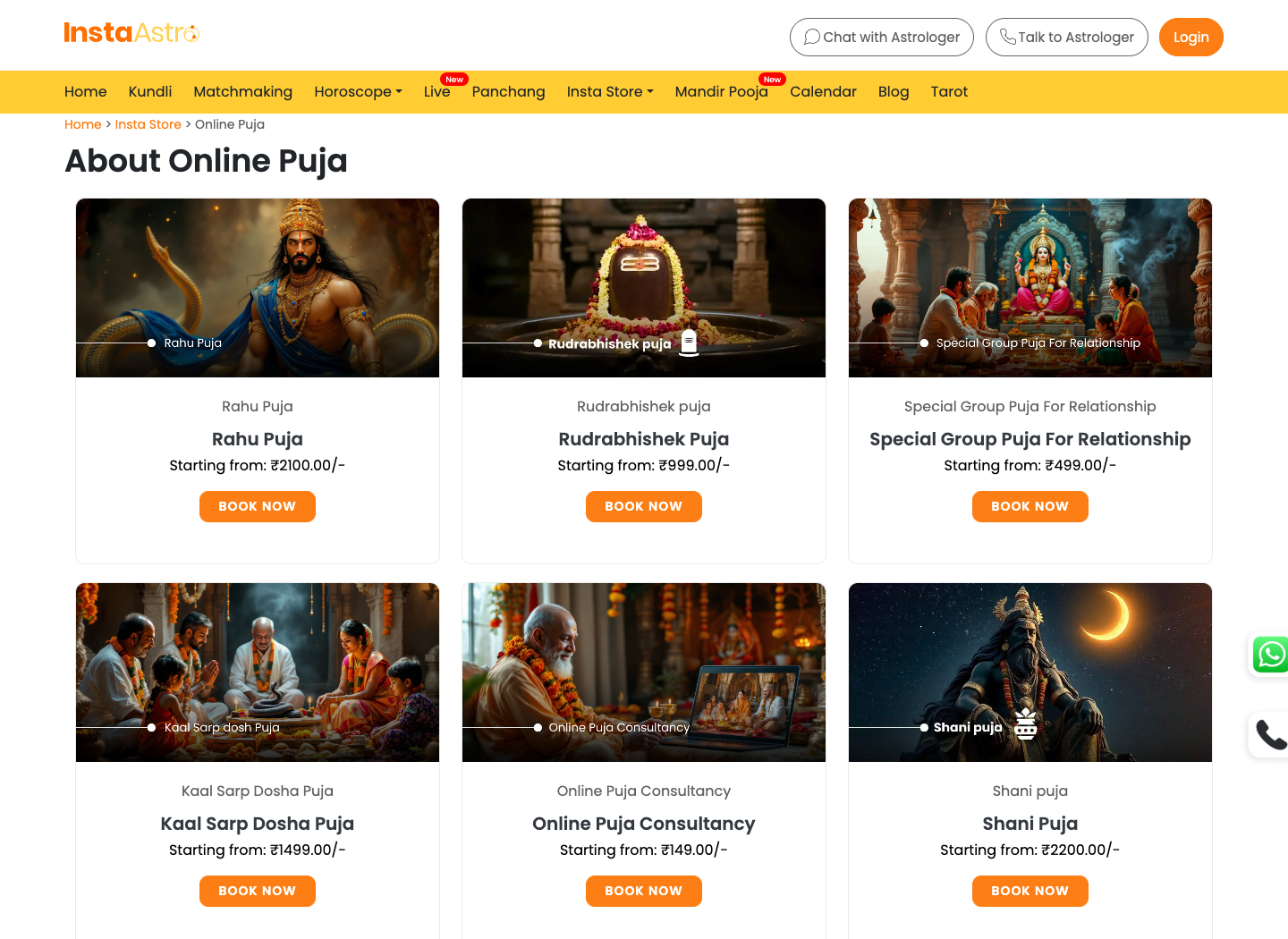
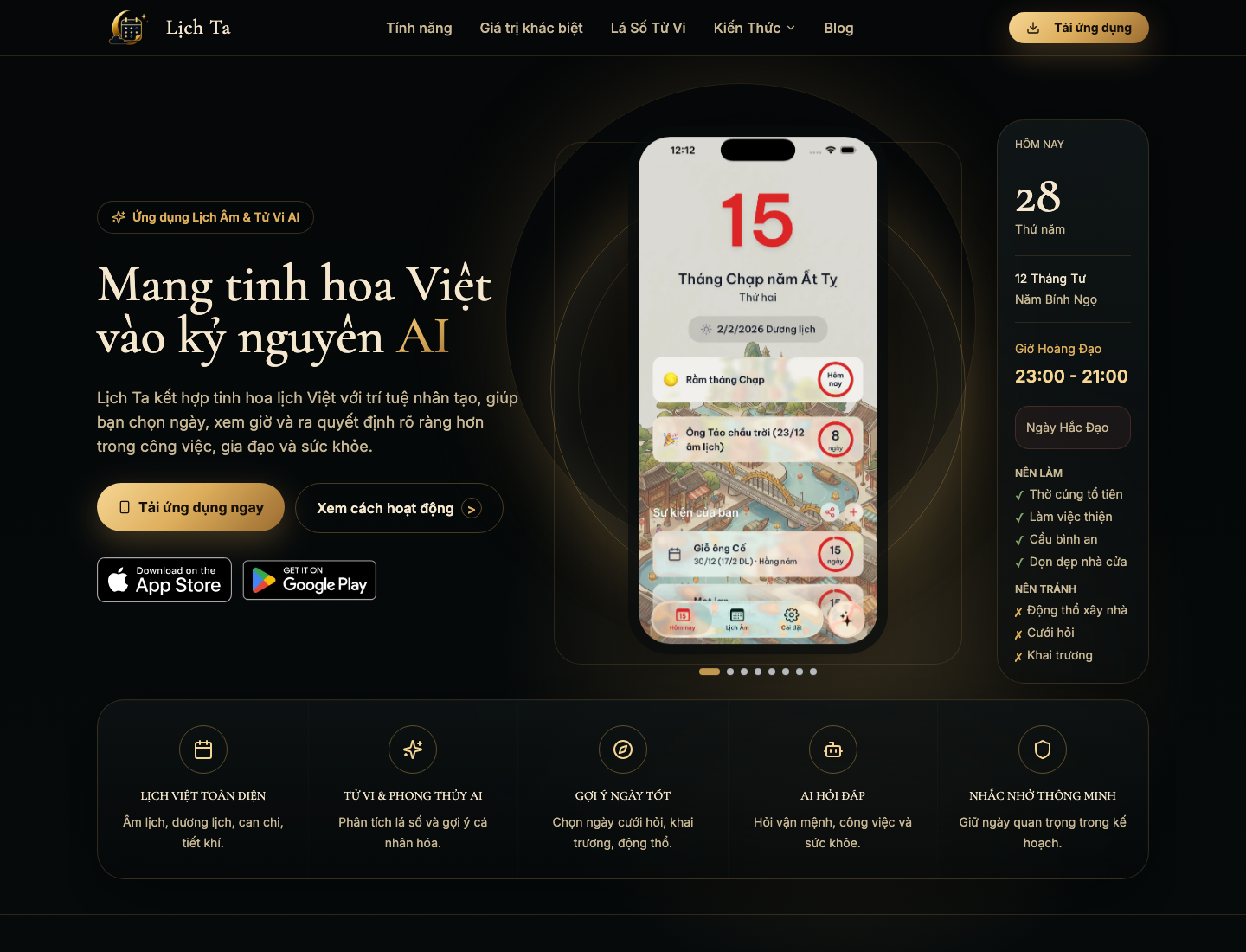
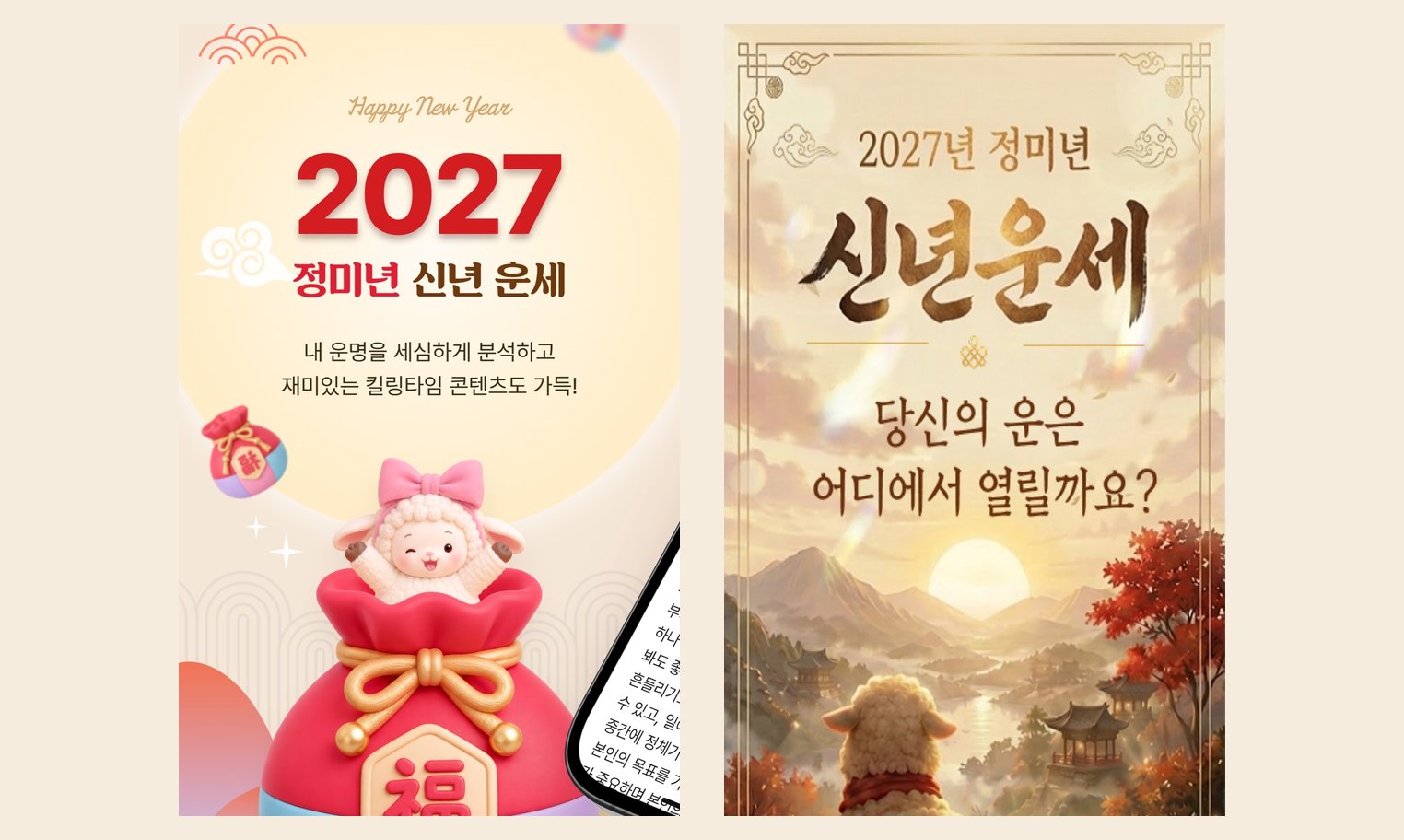
In Vietnam, fortune-telling apps are starting to feel less like one-off toys and more like daily utilities: check a date, read a chart, ask about a relationship, then keep asking what to do next.
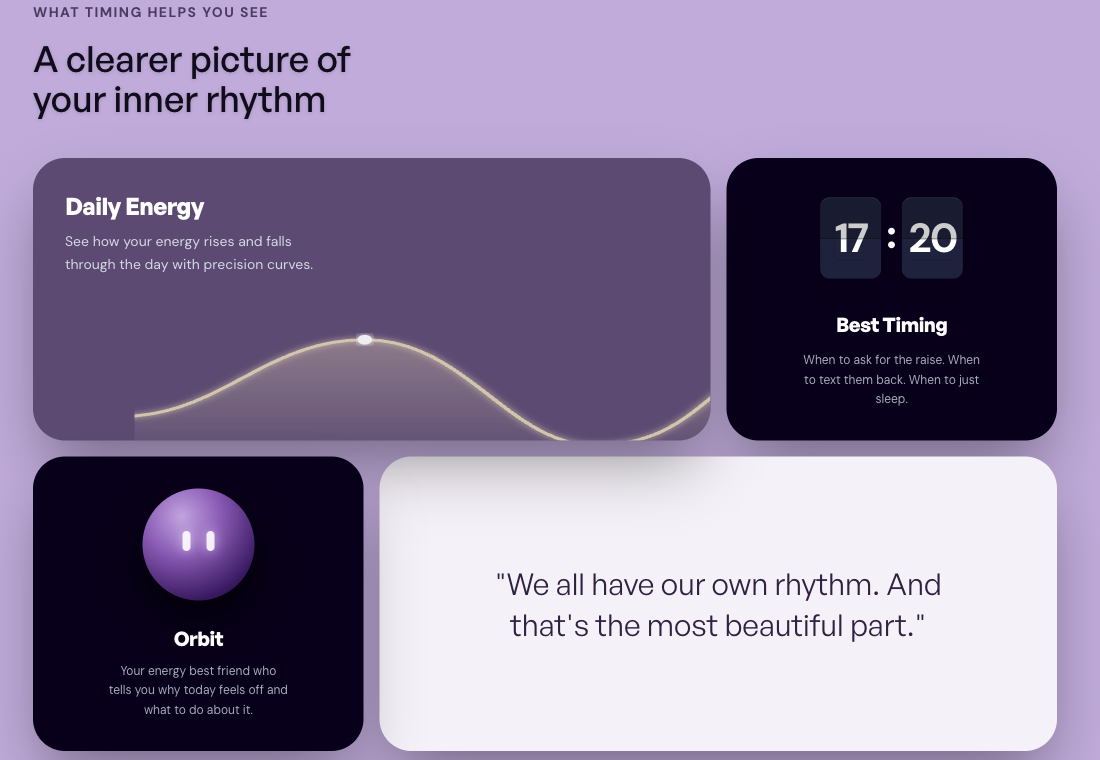
Timing AI turns astrology into a daily rhythm tool, connecting energy curves, best-time windows, Orbit chat, and Apple Calendar sync.

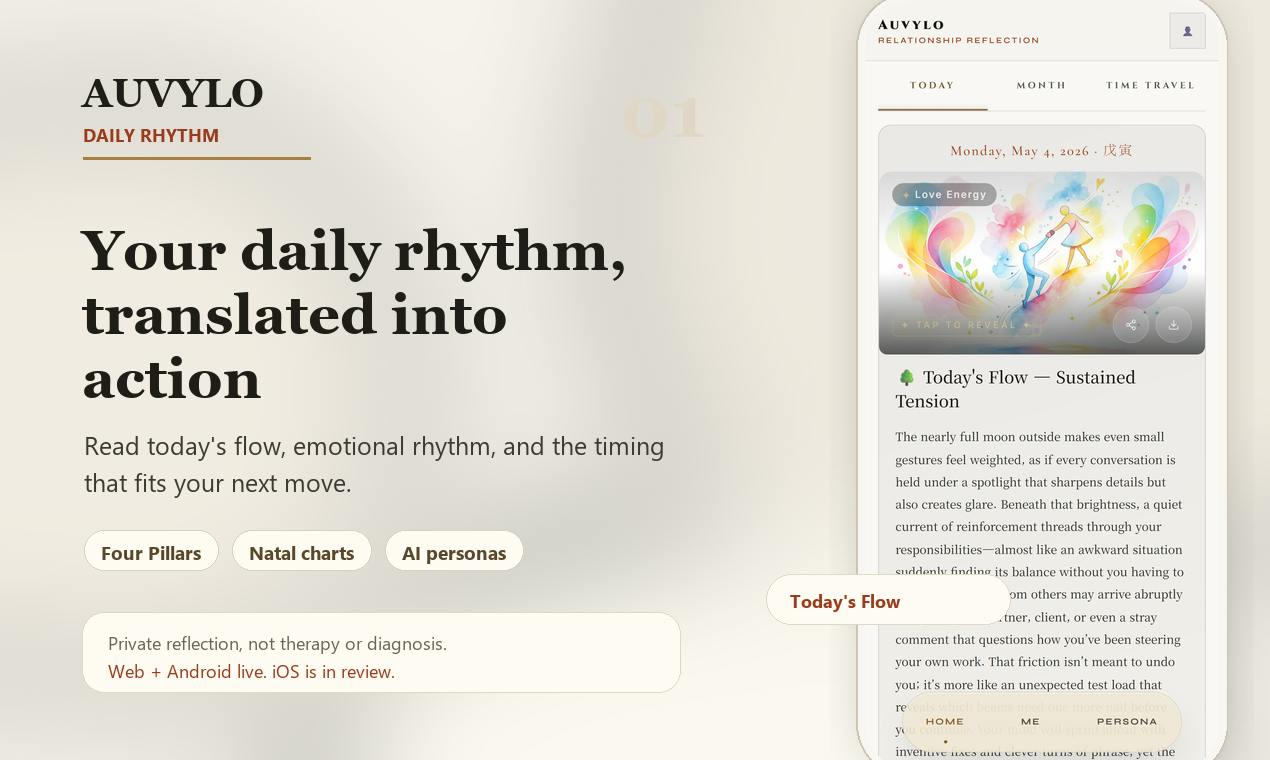
Auvylo turns Four Pillars, natal charts, and relationship context into AI personas, making relationship patterns feel less like a static report and more like a conversation.