
Siri Can Tell You the Planetary Hour. It Can't Read Your Horoscope Yet
Two weeks into iOS 27, Siri handles astrology only in a narrow way: a few small apps let it answer what planet rules the hour or where the Moon is tonight. Ask about your day and it has nothing, because Co-Star, CHANI, Nebula and the other big reading apps have not plugged in.
At 10:15 on the morning of September 10, in Paris, someone asked Siri which planet ruled the hour. A card slid down from the top of the iPhone screen and Siri read it out: the Sun hour until 10:33, 18 minutes left, then the Venus hour until 11:37. No app was opened. The screenshot comes from the blog of Planetaro, a planetary hours app, and it is a good picture of what astrology looks like on iOS 27's new Siri.
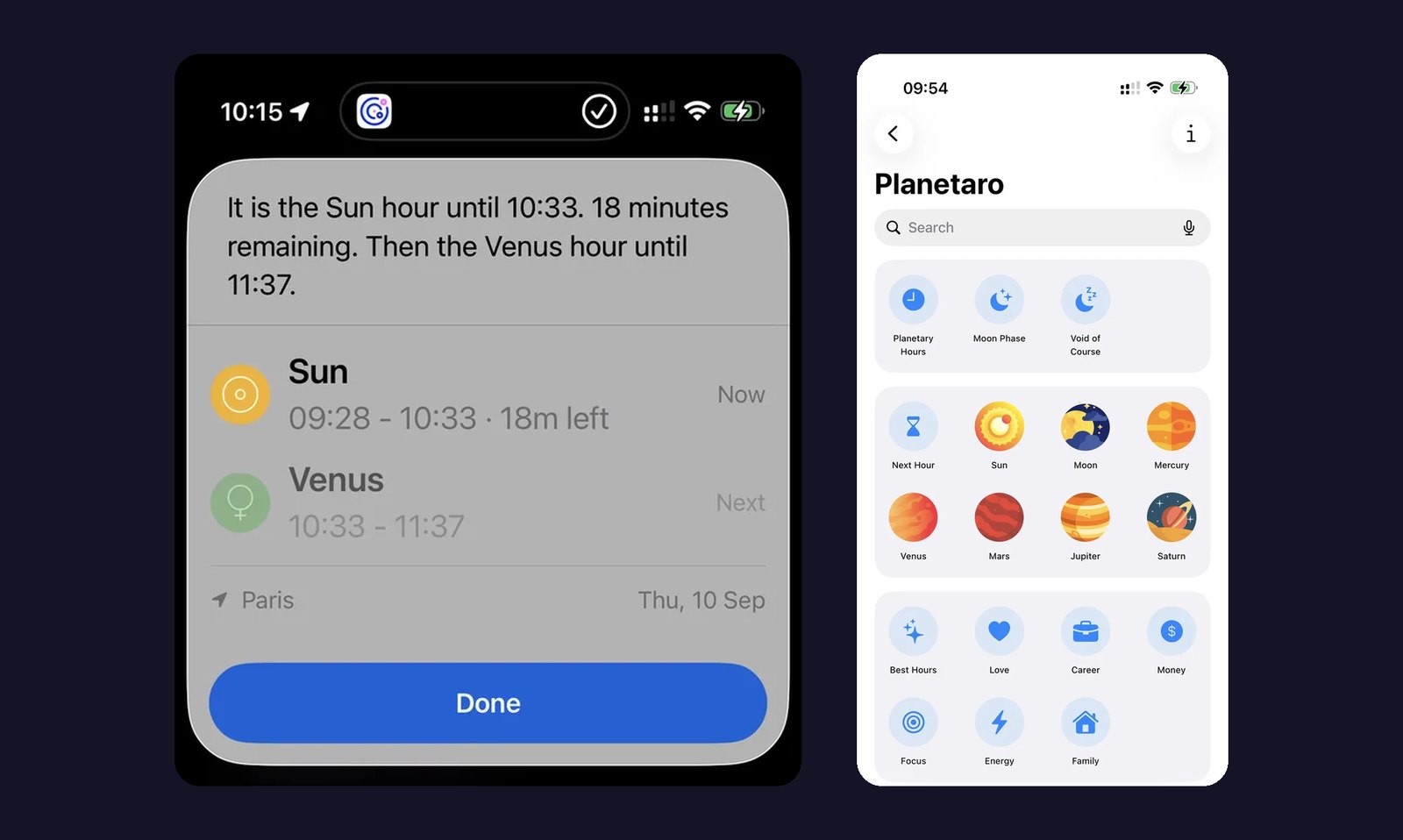
Nearly two weeks after Apple released iOS 27 and Siri AI on September 14, the verdict for astrology fans is fairly clear. Siri works, but only for a narrow slice of it. Ask a question about now, tonight or next, such as the current planetary hour, the Moon's phase, whether the Moon is void of course or when the next full moon lands, and a handful of apps that have done the work will give you a one-line answer. Ask how your day looks, and Siri has nothing to say, because none of the big horoscope apps have plugged in.
The part that works suits a voice assistant well. Planetary hours are an old timing system: day and night are each cut into twelve unequal parts, and each part belongs to one of the seven classical planets. Followers use it to pick moments, Venus for a date, Mercury for the email. The answer changes all day but there is only ever one, so a sentence covers it. Planetaro shipped its Siri support on September 9, five days before the system update, and answers seven kinds of question, including the next hour of a given planet, the best hours for love or career, and sunrise. Others followed within two weeks. Clavis, another planetary clock, added the same question on September 24. Full Moon Phase, with more than 20,000 ratings, and Moonlitt, an Apple Design Award winner this year, both updated on September 10 so you can ask about tonight's moon, eclipses and lunar traditions.
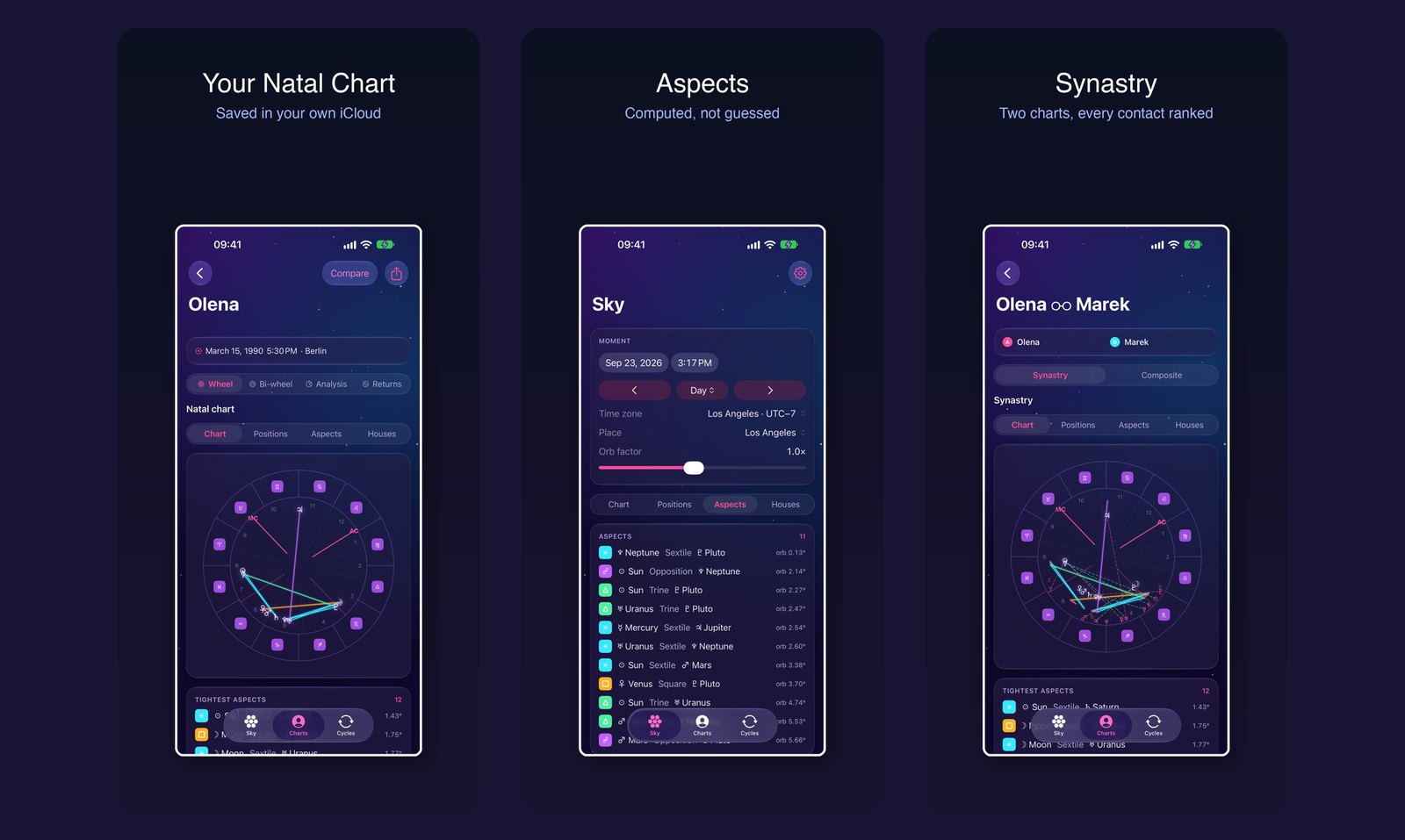
The answers hold up because Siri isn't doing the astronomy. Siri parses the question and reads out the reply; the app on the phone works out where the planets and the Moon are. Ephemeris Sky, a chart app, spelled this out in its September 25 update: on iOS 27 you can ask Siri about the chart you're looking at, down to aspects, houses and the synastry between two people, and Siri reads the app's computed values rather than a picture of the screen. In a practice where a degree or two can move a planet into another sign or house, that split keeps a language model from winging it.
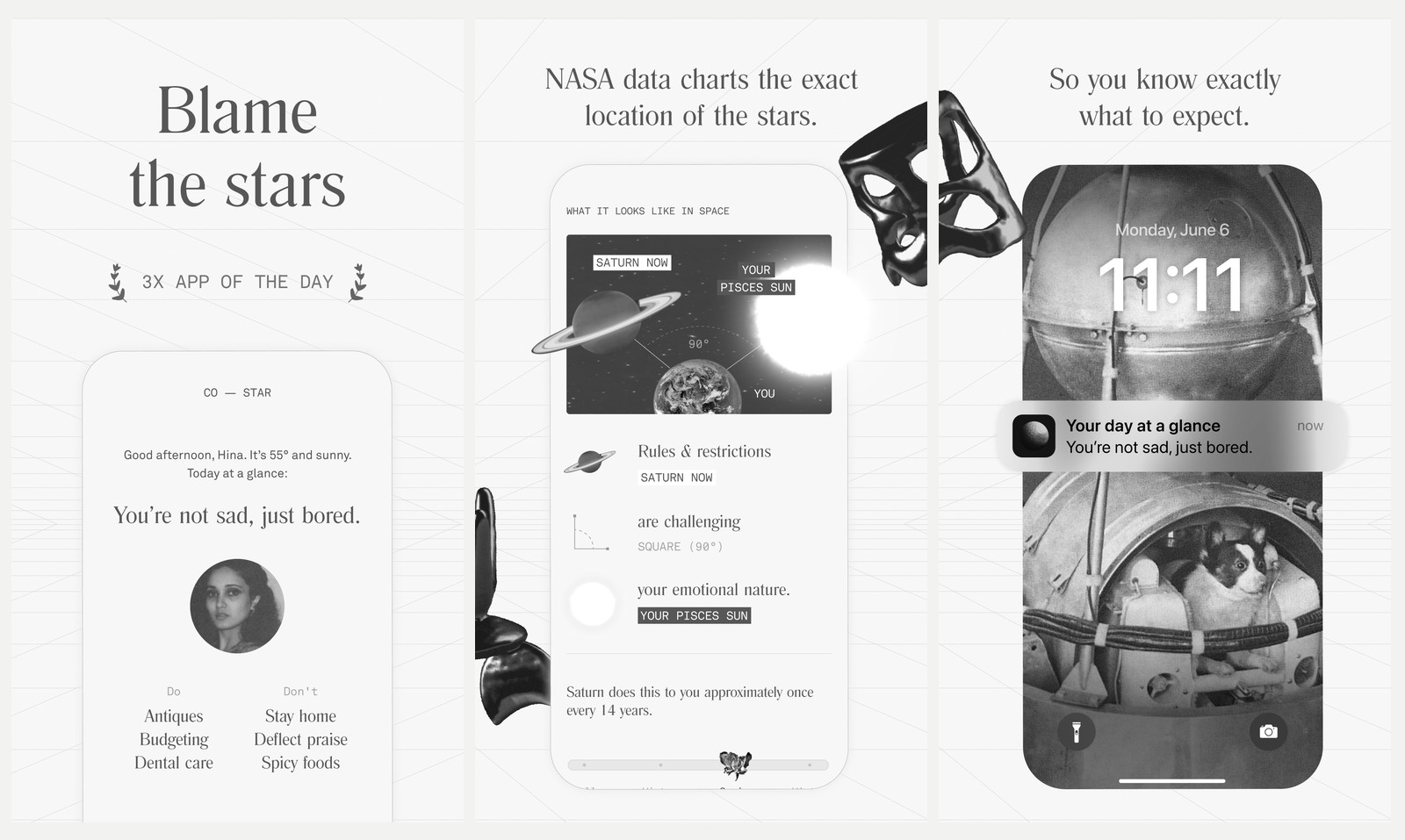
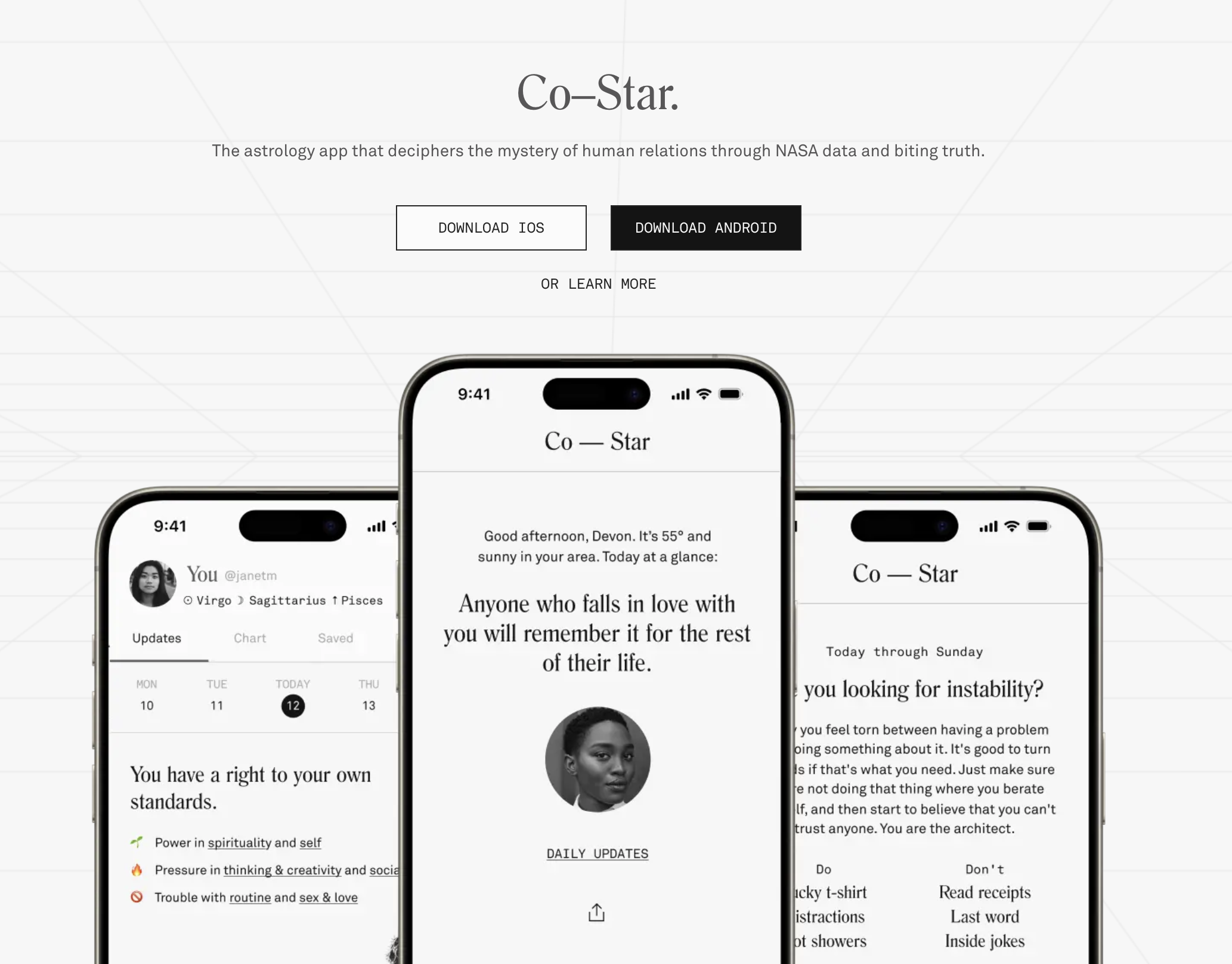
The missing horoscope is not Siri's fault. David Pogue published 125 tests of the new assistant on September 17; it passed 105, handled Apple's own apps almost flawlessly, and stumbled mostly on other companies' software. When he asked it to send money through Venmo, Siri replied that Venmo had not added support. Astrology apps work the same way: Siri can only use what a developer has connected. Co-Star's latest version dates from August 1. CHANI, Nebula and Sanctuary all shipped updates in mid-to-late September, and The Pattern launched a new feature on September 25, but none of their notes mention Siri. The closest thing to a reading is Full Moon Phase, which will give you today's reading: lifestyle advice keyed to the Moon's sign, down to whether it's a good day for a haircut.
It is not hard to see why the big apps might hold back. They sell subscriptions to a daily personal reading, and a reading Siri recites on the home screen is one the user never opens the app, or its paywall, to see. A free-to-download clock loses little when someone skips opening it; being useful while you're cooking or driving is the whole point. That is our inference from how the two kinds of app make money. None of the big apps has said anything publicly about it.
Even with a supported app, there is friction. Siri AI is an English-only beta for now, with French, Japanese, Korean, Portuguese and Spanish due in October. Apple says it isn't available in China and won't initially reach iPhones in the EU. You need to name the app in your question, or Siri will answer some of them from its own weather data. And you need the right name: Clavis has to be switched on in its settings first, and although it is listed as Clavis on the App Store, the phrase Siri expects is "Planetary Clock". Planetaro says its Siri actions also work with the older Siri, in ten languages, but only if you stick close to the set wording.
For now, then, Siri is a clock that knows the sky. If you want to know whether it's a Venus hour or what sign the Moon is in tonight, ask it in English. If you want to know what your chart says about today, you still have to open the app.
Related apps
 Heures Planétaires - PlanetaroUseful for people who want a practical astrology app built around charts, timing, and repeat use.
 Clavis: Planetary ClockUseful for people who want a practical astrology app built around charts, timing, and repeat use.
 Full Moon PhaseFor tracking lunar phases and timing activities by astrological calendars.
 Moonlitt:月の位置と月の満ち欠け | moonUseful for people who want a practical astrology app built around charts, timing, and repeat use.
 Ephemeris Sky: 占星術チャートUseful for people who want a practical astrology app built around charts, timing, and repeat use.
 Co-Star AstrologyFor people who want a personalized daily horoscope and like comparing charts with friends.
 CHANI: Your Astrology GuideFor people who prefer astrology written by human astrologers and want it paired with meditation, rituals, and journaling.
 Nebula: Horoscope & AstrologyNebula: Horoscope & Astrology. Also available on iOS and Android Psychic readings built around your journey。
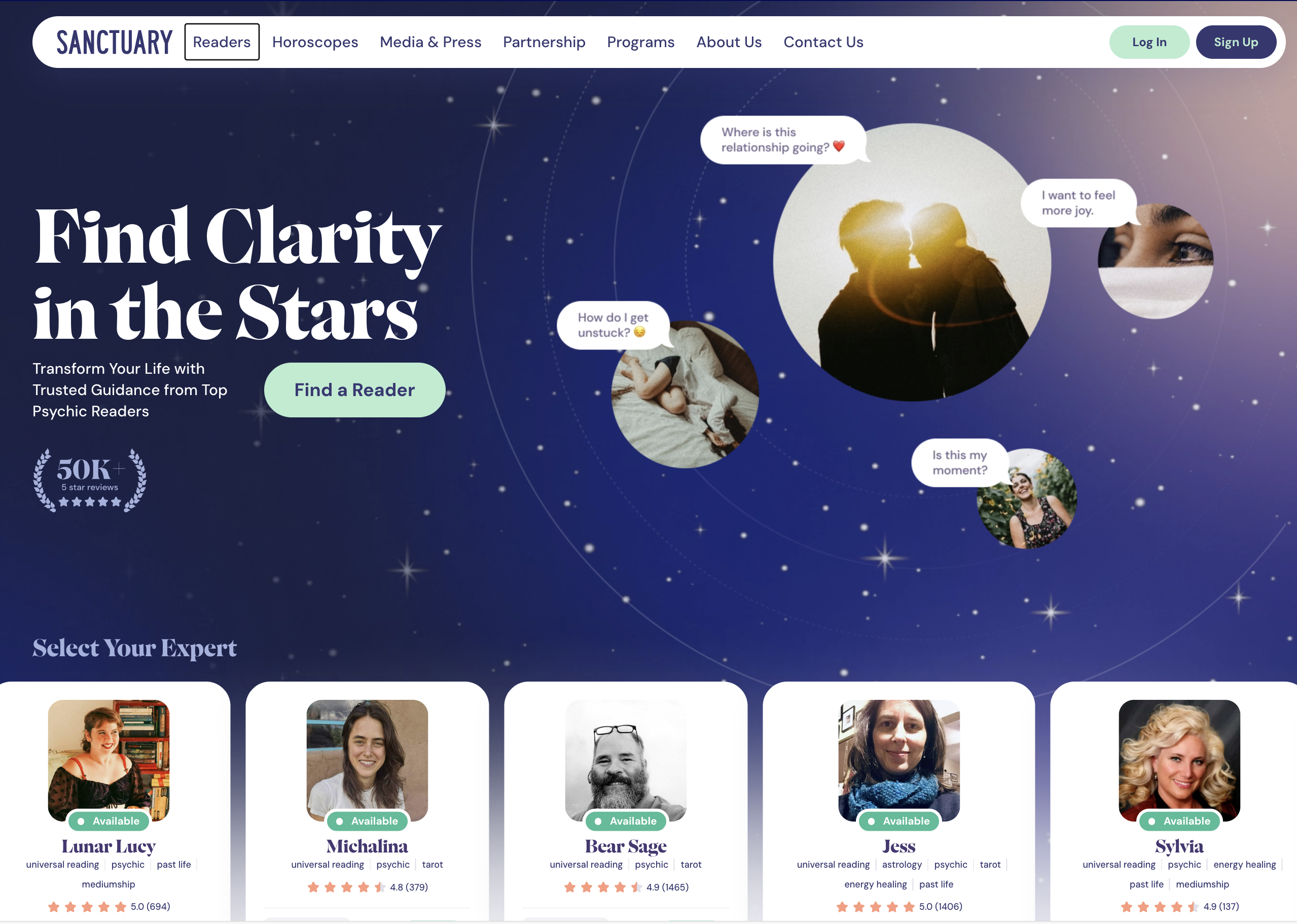 SanctuaryFor English speakers who want to talk a specific question through with a live astrologer or tarot reader and are fine paying by the minute.
Recommended
 FateKitSponsoredBest for astrology and Chinese-metaphysics readers who want to compare several chart systems for the same moment, inspect the sky data behind them, and prepare structured context for an external AI without uploading a profile by default.
 Cantian AIFor people who want AI Bazi readings and also want to cast a hexagram, check feng shui, or choose a name in the same app.
Sources
- PlanetaroPlanetaro blog
- ClavisClavis
- App StoreClavis on the App Store
- App StoreFull Moon Phase on the App Store
- App StoreMoonlitt on the App Store
- Flipping HuesMoonlitt
- App StoreEphemeris Sky on the App Store
- David PogueDavid Pogue
- App StoreCo-Star on the App Store
- App StoreCHANI on the App Store
- App StoreNebula on the App Store
- Apple NewsroomApple Newsroom
Similar stories
You Can Now Ask Siri to Ask Your AI Astrologer
A month into iOS 27, Hypergate AI and yap let the new Siri pass questions to their AI astrologers. Both are tiny apps; Co-Star, Nebula and CHANI haven't mentioned Siri, and the answers depend on each app's own AI.
AI AstrologyVoice AI
Co-Star Has Called Itself AI-Powered Since 2019. Reviewers Now Say Its Horoscopes Read Like AI
Before and after Midjourney bought Co-Star, App Store reviewers kept saying its daily horoscopes are obviously AI-written: one sentence pattern, em dashes, repeated dos and don'ts. Yet the app has called itself AI-powered since 2019, and reviewers back then also complained about identical phrasing and gloom.
AI AstrologyRisk and trust
Tarot Readers Are Putting AI to Work
A reader who uses AI can still give a human reading. An AI product advised by a reader does not necessarily offer one. A service sold as a personal consultation should deliver the practitioner's own interpretation.
AI Divination