
This Dream App May Sell Your Dreams to AI Developers, If You Say Yes
DreamApp's July 21 privacy update lets it train its own models on dream content and, with opt-in consent, license or sell dream datasets to AI developers; withdrawing can't recall copies already delivered. A few small apps are moving readings onto the phone instead, with trade-offs.
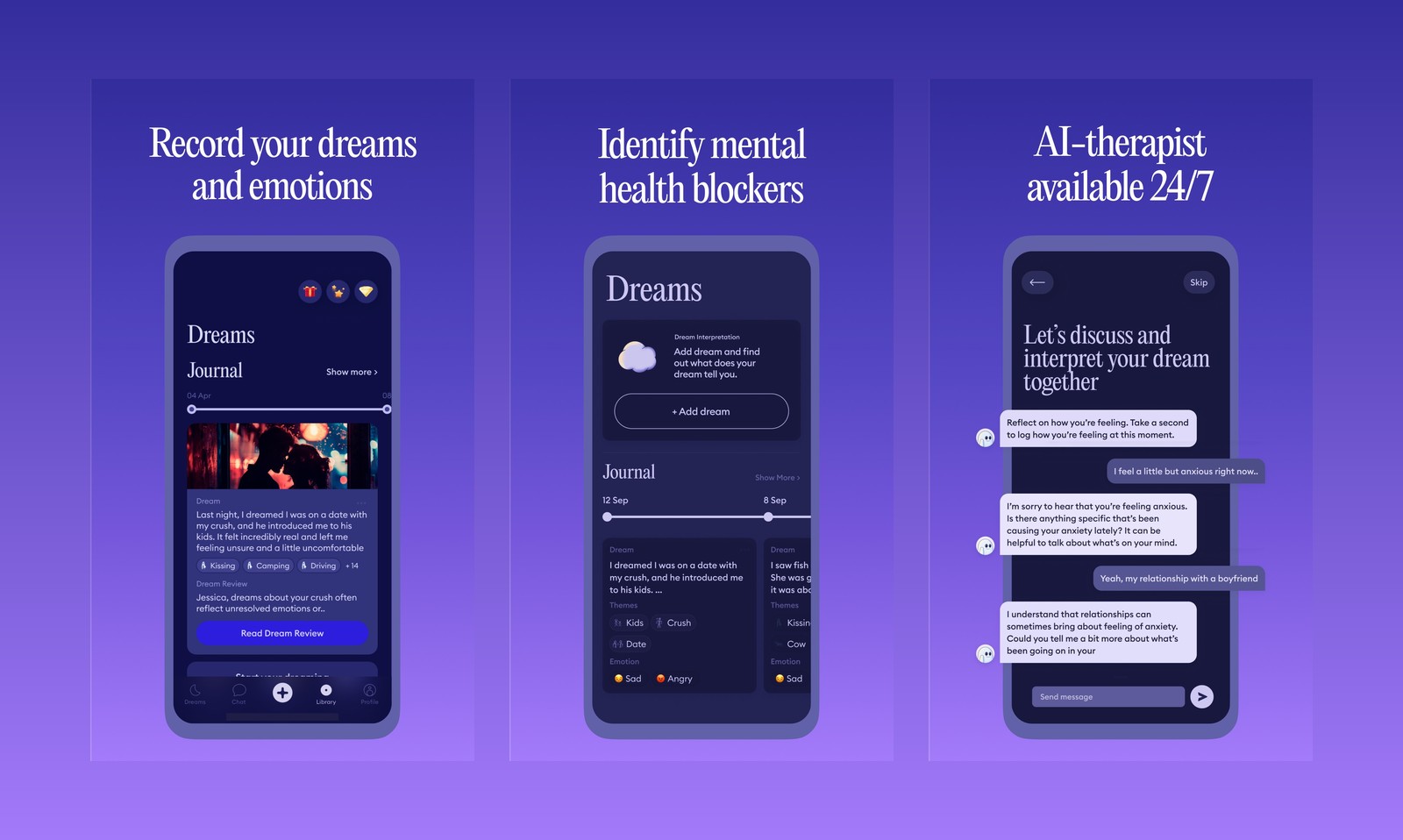
The sample screenshots DreamApp uses on the App Store show the kind of thing people bring to it. One dream log describes a date with a crush who introduces the dreamer to his kids, leaving them feeling unsure. Another screen shows the app's "AI-therapist" asking what has been causing the user's anxiety; the answer is a relationship with a boyfriend. DreamApp, run by London-based Dreamapp Ltd, says on its website that it has 1.6 million downloads and has analyzed 3.9 million dreams.
On July 21, 2026, the company rewrote what happens to those dreams. Its privacy notice gained a section titled "AI Training and Data Licensing" that covers two separate things. First, anything users submit, dream content included, may be used to develop, train and evaluate DreamApp's own models, using de-identified or aggregated data "where reasonably practicable." That paragraph does not mention consent. Second, DreamApp may package dream content into datasets and license or sell them to research institutions and AI developers for model training. That part comes with conditions: users must opt in through a consent control in the app, declining doesn't limit the service, names, emails, phone numbers and user IDs are stripped, and identifying details inside the dream text are reviewed out. Buyers are contractually barred from trying to re-identify anyone. The previous version of the page, archived by the Wayback Machine and dated Aug. 9, 2023, said nothing about training or selling dreams.
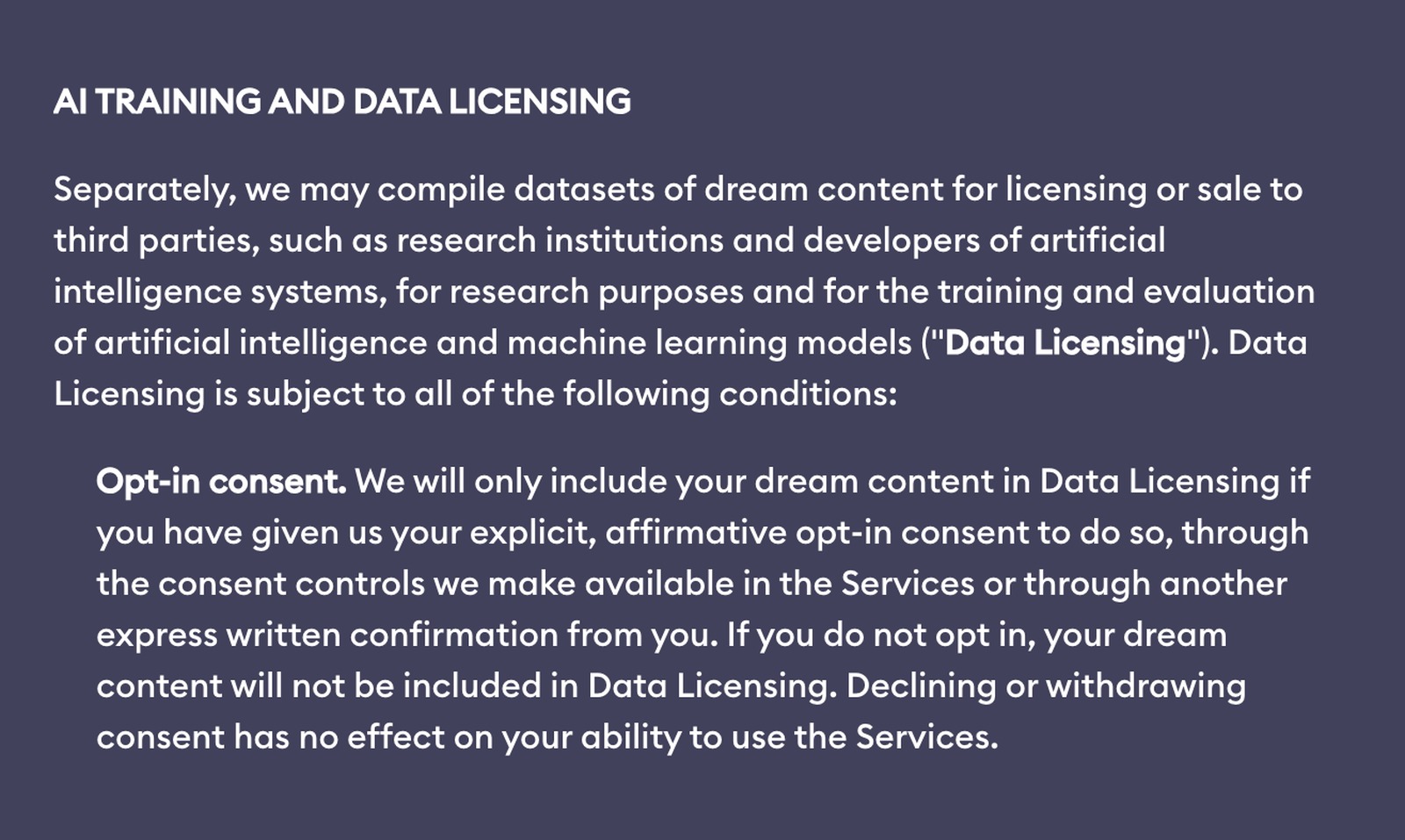
Two passages deserve a slow read. DreamApp acknowledges that dreams can reveal details about health, sex life and religious beliefs, which is why it relies on explicit consent under UK and EU data law. And withdrawal only works going forward: datasets already delivered to licensees, the company says, may not be recoverable. De-identification removes your email address, not the dream itself, and a specific enough dream can point back to the person who had it. The policy doesn't say where the consent switch sits or whether it starts on or off, and we did not install the app to check. It also says "may"; it doesn't claim any dataset has been sold.
Dreams typed into cloud-based interpreters were never staying on the phone. DreamApp's 2023 policy already listed OpenAI as a service provider, and Oniri, another long-running dream journal, says in its privacy policy that OpenAI models power several features. What's new is that dreams can now also become a product sold on to someone else.
A handful of small apps are moving the other way. On Oct. 4, AI Dream Interpreter: Dreams shipped version 1.4, moving interpretation onto the phone with Apple Intelligence; it requires iOS 26, a compatible iPhone and the feature switched on. The tarot app Qybala lists on-device AI with no internet required. Tenets Oracle, an I Ching app, generates readings with Apple Intelligence or a local model the user runs on a Mac, and promises no account and no cloud. VisualAstro, a technical astrology charting tool, labels one Apple Intelligence feature as running only on the device, with nothing sent to online language models.
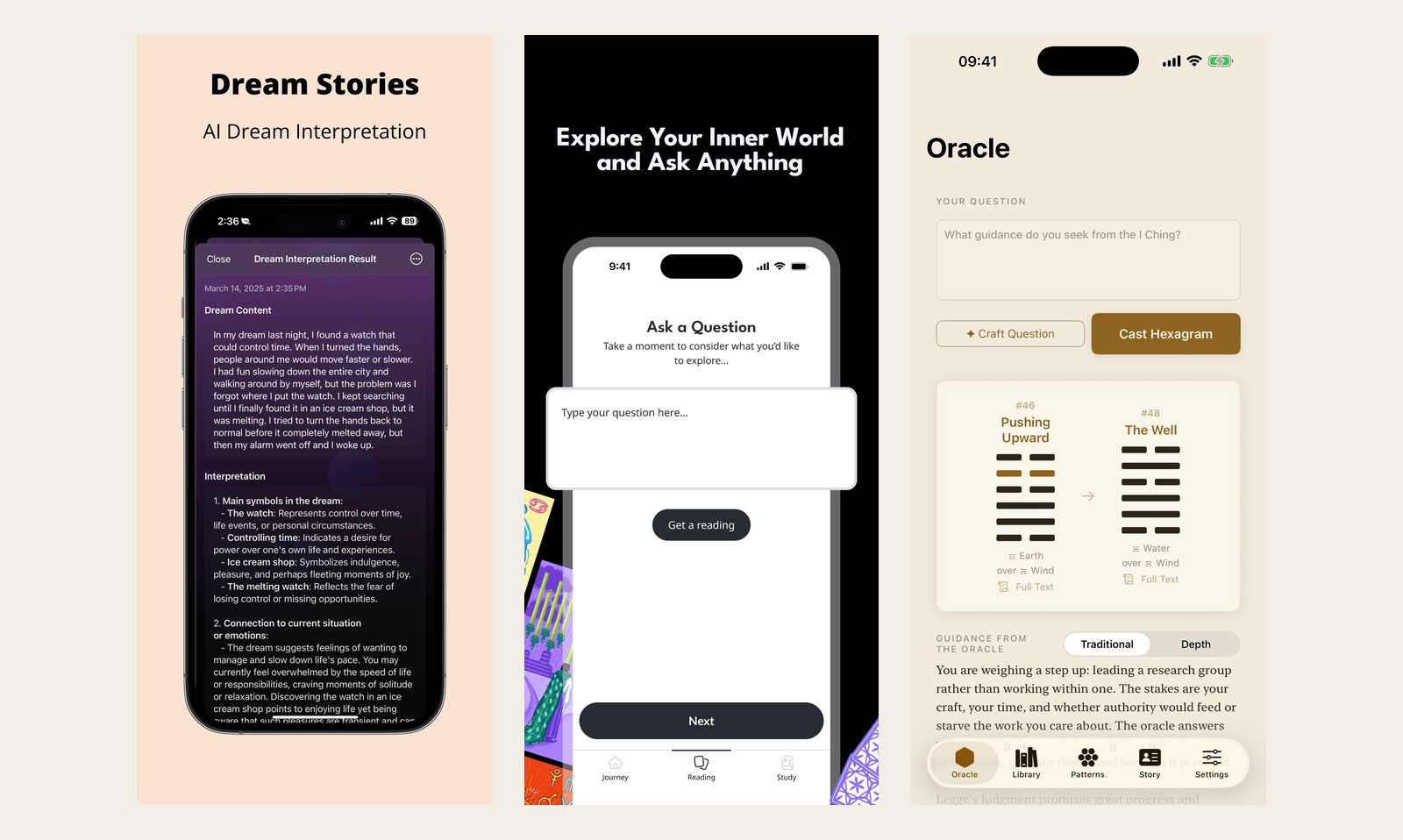
This is possible because Apple opened the on-device model behind Apple Intelligence to developers with iOS 26, pitching it as private, available offline and free to run. That last point matters to a solo developer who would otherwise pay a cloud bill for every dream. The trade-off is in Apple's own technical write-up: the model has roughly 3 billion parameters, is good at summarizing, rewriting, short dialogue and creative text, and is not designed to be a chatbot for general world knowledge. Turning a dream you wrote into a reflective paragraph fits that description; expecting the depth of a frontier model doesn't. Hardware is the other limit: an iPhone 15 Pro, any iPhone 16 or newer, or an iPhone Air.
On-device covers only the interpretation step. AI Dream Interpreter, which has eight ratings, declares in its App Store privacy label that location, device identifiers and usage data may be used to track you across other companies' apps, including for third-party advertising. Your dream stays put; the fact that you opened the app, and roughly where, may not. The "no cloud" claims in all these listings are the developers' own, and we did not inspect their network traffic.
If you use DreamApp, the practical step is to find the data-licensing switch in the app and leave it off, especially if your journal holds dreams about illness, sex or family. Leaving it off doesn't stop the first use, though: under the current policy, your dreams can still train DreamApp's own models. If what you want is an interpreter that never hands the dream over, and you already own a recent iPhone, the on-device apps are worth a try. Expect plainer readings, and read the privacy label anyway.
Related apps
 DreamApp: Dream InterpretationDreamApp: Dream Interpretation. Personalized Dream Meanings | Explore Dream Themes | Finding Clarity So, what do these strange dreams really mean? DreamApp: Dream Dictionary.
 OniriOniri. □ Export your dream journal as a PDF for easy sharing. LUCID DREAMS □ Get help with Reality Checks with customizable reminders.
 Qybala: Psychological TarotUseful for people who want a lightweight tarot app built around daily draws and direct questions.
 Tenets Oracle: I ChingUseful for people who want card-based guidance, deck collections, or oracle readings they can revisit often.
Recommended
 Cantian AIFor people who want AI Bazi readings and also want to cast a hexagram, check feng shui, or choose a name in the same app.
 FateKitSponsoredBest for astrology and Chinese-metaphysics readers who want to compare several chart systems for the same moment, inspect the sky data behind them, and prepare structured context for an external AI without uploading a profile by default.
Sources
- DreamAppDreamApp website
- App StoreDreamApp on the App Store
- DreamAppDreamApp privacy notice
- Internet Archive2023 privacy notice, Wayback Machine
- OniriOniri privacy policy
- App StoreAI Dream Interpreter release notes
- App StoreQybala on the App Store
- App StoreTenets Oracle on the App Store
- Apple NewsroomApple Newsroom
- Apple Machine Learning ResearchApple Machine Learning Research
- Apple SupportApple Support
- App StoreAI Dream Interpreter on the App Store
Similar stories
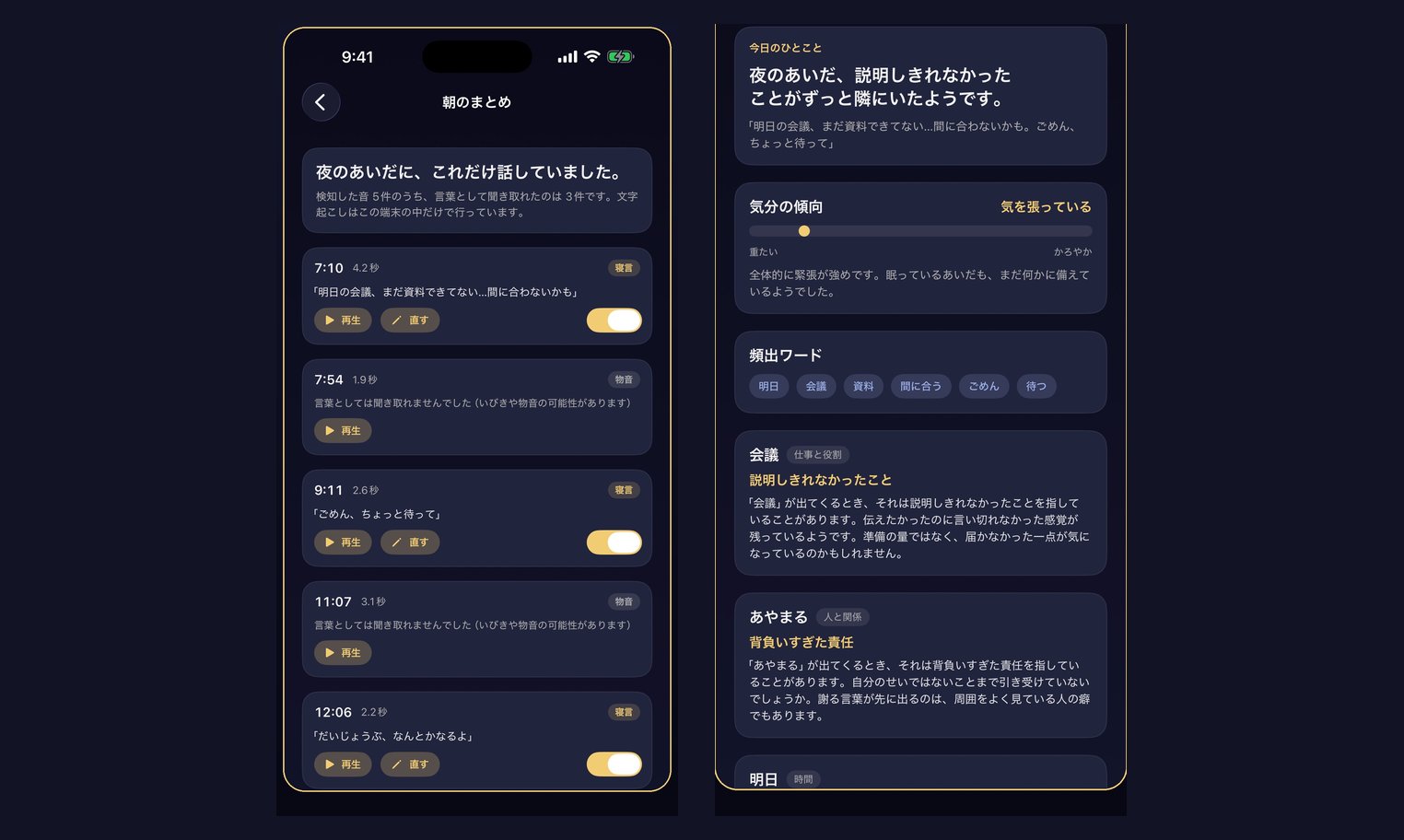
Sleep-Talk Apps Used to Share Your Mumbles. Now They Interpret Them
Japan's Negoto Uranai now turns overnight sleep talk into clean sentences and a dream-style reading, and two new English-language recorders hand the transcript to AI. A decade ago these apps were about uploading funny clips to a public leaderboard. The new ones can keep recordings on the phone and read them back to you alone.
AI Dream JournalSelf Reflection
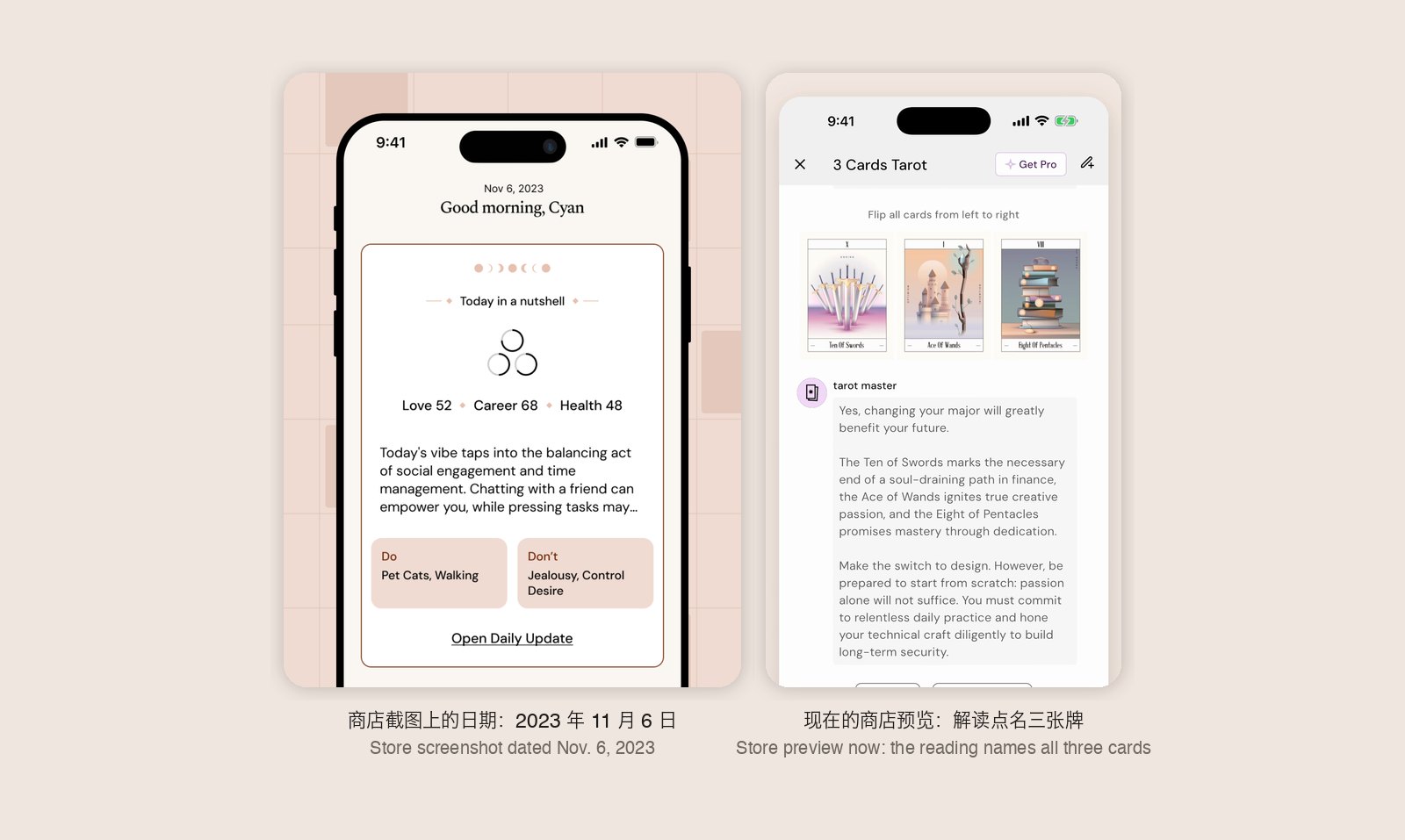
This AI Astrology App Thought It Was Still 2023. Now It's Back
SINE shipped version 2.0 on Oct. 15, its first update since December 2024, with a new backend and tarot readings matched to the cards drawn. While it sat untouched, reviewers said its AI read their transits for October 2023, then the app stopped loading altogether.
AI AstrologyAI Tarot
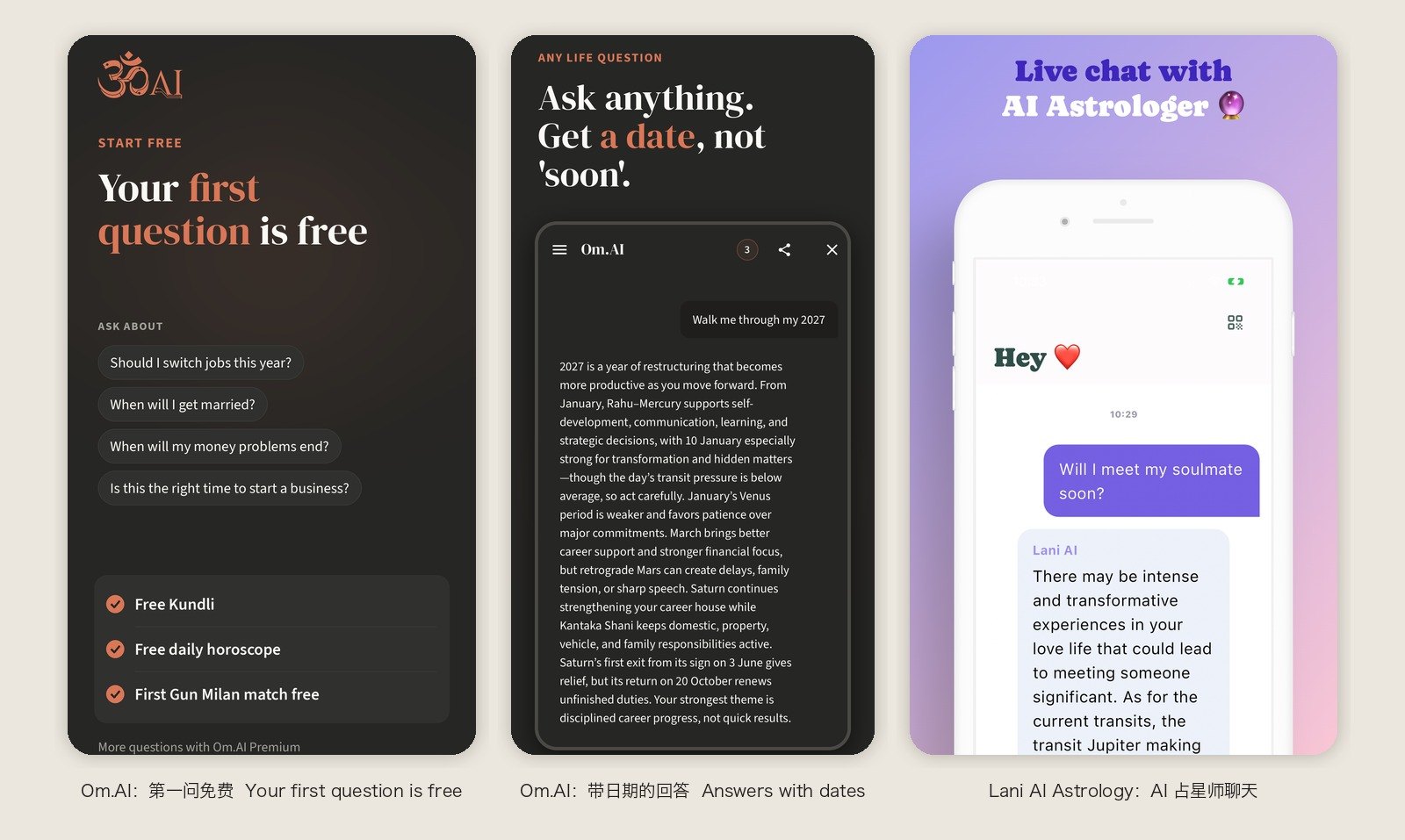
AI Astrologers Now Give You the First Answer Free. Check What the Second One Costs
In early October, several AI astrology apps in the US and India made the first question free. What happens next varies: some price each answer up front, while AstroSage bills its named AI astrologers by the minute, and that is where the complaints pile up.
AI AstrologyAstrology Marketplaces