
Fake Fortune-Tellers Can't Hide Behind an "AI-Generated" Label, Regulators Say
China named fake feng shui masters and astrologers in a Sept. 30 short-video crackdown and said an "AI-generated" tag is no excuse. India's ad regulator said the same a day earlier, the EU's AI Act now requires chatbots to disclose they are AI without making them lawful by default, and UK and US rules point the same way.
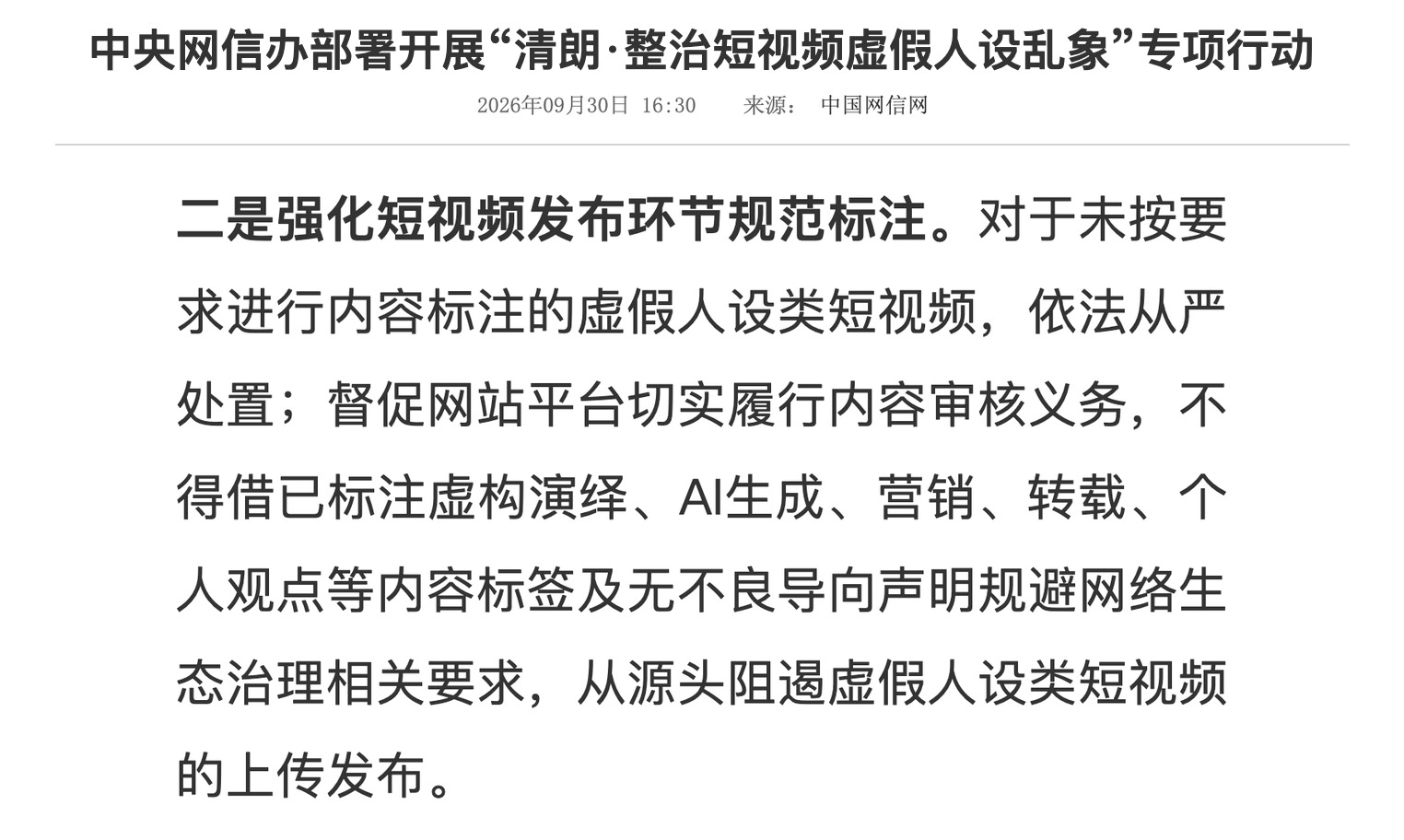
On September 30, China's internet regulator, the Cyberspace Administration of China, opened a two-month campaign against fake personas on short-video apps. One item on its list is unusually specific: accounts that dress up as feng shui masters, astrologers or metaphysics mentors and use pitches about changing your luck and warding off misfortune to sell goods, charge for readings, or pull viewers into private chats. Douyin, the Chinese version of TikTok, had moved a week earlier. Its September 22 notice described accounts posing as masters of Chinese classics or metaphysics, hinting they could change your fate, then taking the business off the app; 821 such accounts had recently lost livestream rights, been muted or been banned.
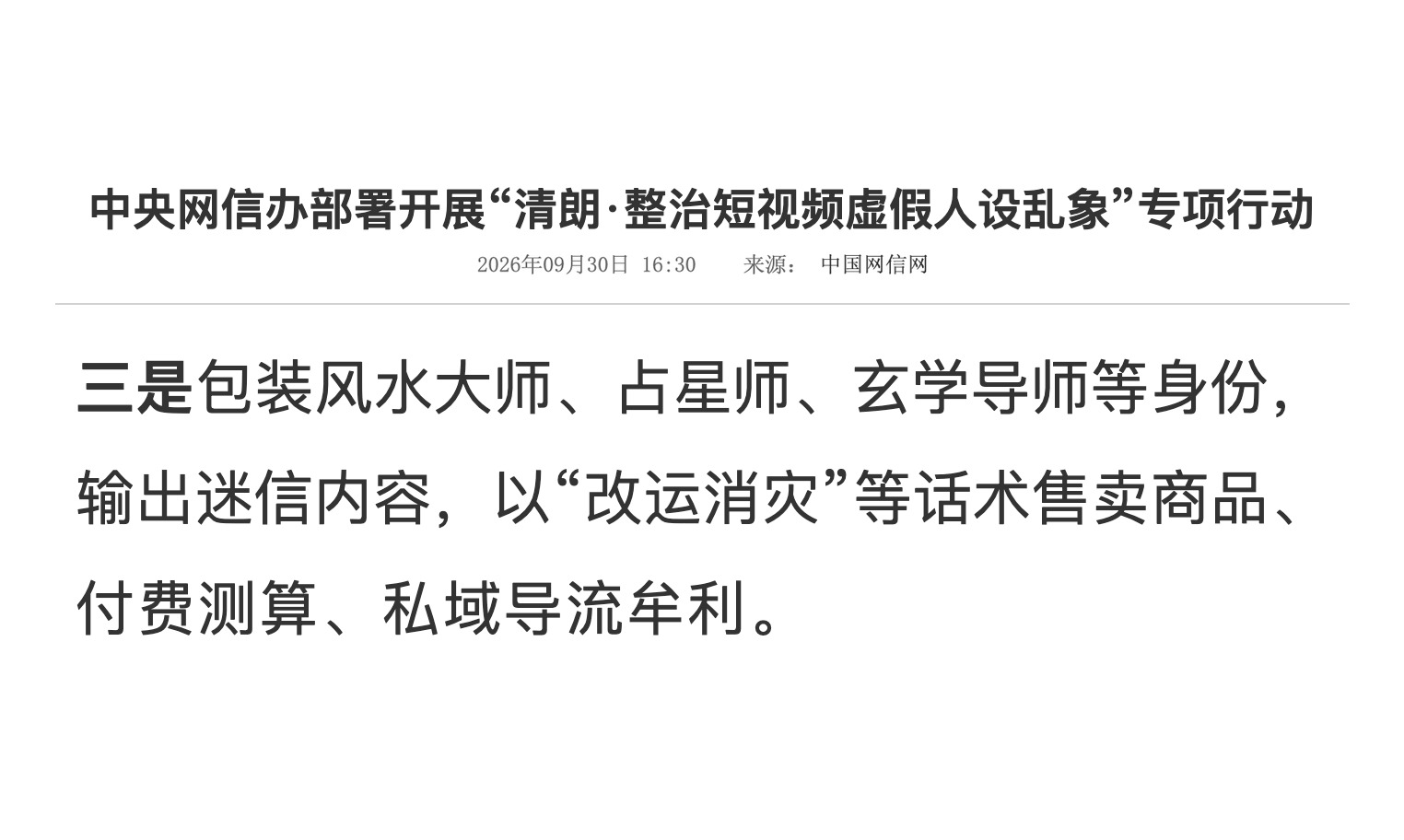
The line that matters most comes in the enforcement measures. Platforms may not let a video slide because it is tagged as fiction, AI-generated, marketing or personal opinion, or carries a disclaimer about having no harmful intent. A guru who pitches a luck-changing product at the end of a clip does not escape by adding "AI-generated" in the corner: the label says how the video was made, and the selling is still in scope. The same notice targets AI-synthesized audio and video of public figures used for endorsements, and personas such as the "wellness master" built to deceive older people.
A day earlier, in Mumbai, the Advertising Standards Council of India published guidelines on labeling synthetic content in ads, taking effect three months after release. Its first clause makes the same point as Beijing: ads that are illegal, misleading or break the ASCI code are prohibited, and they "will violate the ASCI code even if an AI label is used." The first example is using AI to fabricate endorsements or testimonials, making it look as if a real person used or recommended something they never did. Synthetic influencers and brand ambassadors must be labeled, and when a brand pays a chatbot to recommend its product, the answer must say "Sponsored by" that brand. The guidelines never mention astrology, but India's big astrology platforms already sell AI as a feature: AstroSage's homepage lists "AI astrologers" and invites users to consult them, and Astrotalk's homepage keywords include "AI astrologer." Once those characters appear in advertising, they fall under the new rules.
The European Union got there first. Article 50 of the AI Act has applied since August 2, 2026. A chatbot provider must tell people they are dealing with an AI, at the latest at the first interaction, and breaching the transparency duties can cost up to €15 million or 3% of worldwide turnover. The Commission's Article 50 guidelines, published in July, say a provider cannot lightly claim the AI nature was obvious when the chatbot shows a human profile picture, or when older people or minors are likely users. The law's recital 137 adds that meeting transparency obligations should not be read as making the use of an AI system, or its output, lawful. The guidelines also point to EU consumer law: for a subscription chatbot or companion app, the fact that it is AI may itself be a main characteristic that has to be disclosed before anyone signs up. An AI astrologer selling monthly readings in Europe would seem to fit that description.
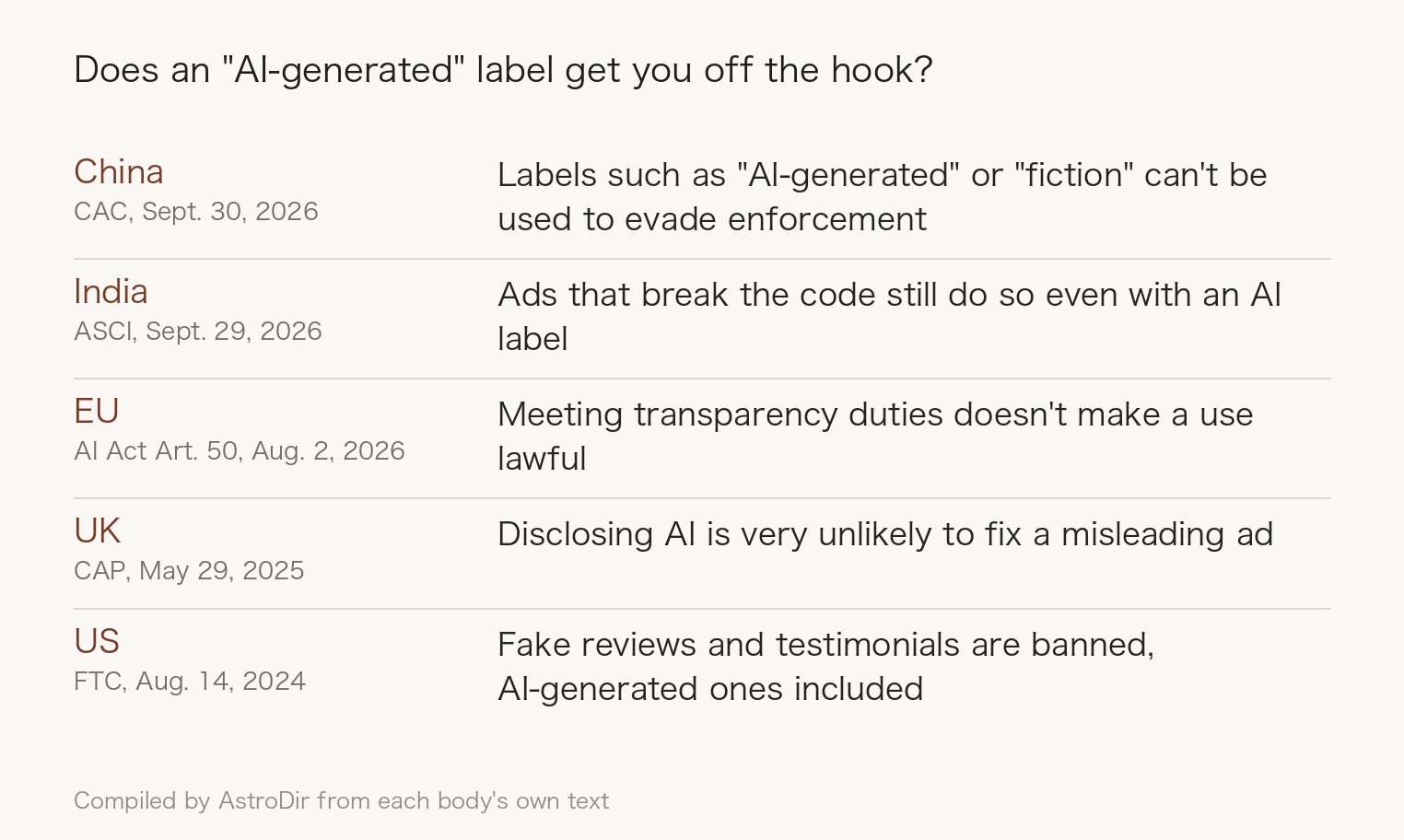
Britain and the United States have no new rules aimed at AI fortune-telling, but the existing ones point the same way. The UK's Committee of Advertising Practice wrote in May 2025 that disclosing AI alone is very unlikely to mitigate the harm of a fundamentally misleading ad. Its guidance for psychic and astrology advertisers already says they should not claim readings are accurate or guarantee results, and any testimonials must be genuine. On British television, ads for personalized astrology and tarot services may run only on licensed channels, and both the ad and the service must say they are for entertainment. In the US, the Federal Trade Commission's 2024 rule bans reviews and testimonials that misrepresent whether the reviewer exists or used the product; announcing it, the FTC said it was aimed at deterring AI-generated fake reviews. Violations can draw civil penalties of up to $53,088 each, and in December 2025 the agency sent warning letters under the rule to 10 companies. TikTok's community guidelines put the platform version plainly: even with labels, some AI-generated content can still be harmful.
Put side by side, these documents treat an AI label as a duty owed to the user, not an exemption. None of them singles out AI fortune-telling apps, but none lets them skip disclosure either. China's labeling measures, in force since September 1, 2025, have app stores check AI labeling at review. In the EU, an AI astrologer should say it is an AI before the reading starts. In India, a paid recommendation inside an AI chat has to say who paid.
So wherever you scroll, the pattern to watch for is the same: a master tells you your luck is off, then offers a fix, whether a product, a paid reading, or a private message where you send your birth date. Whether the clip says "AI-generated," and whether the master is a person or a digital human, does not change what is being sold. Keep your money. And an astrology chatbot that honestly tells you it is an AI has only done the minimum. Whether its reading is any good is still yours to judge.
Related apps
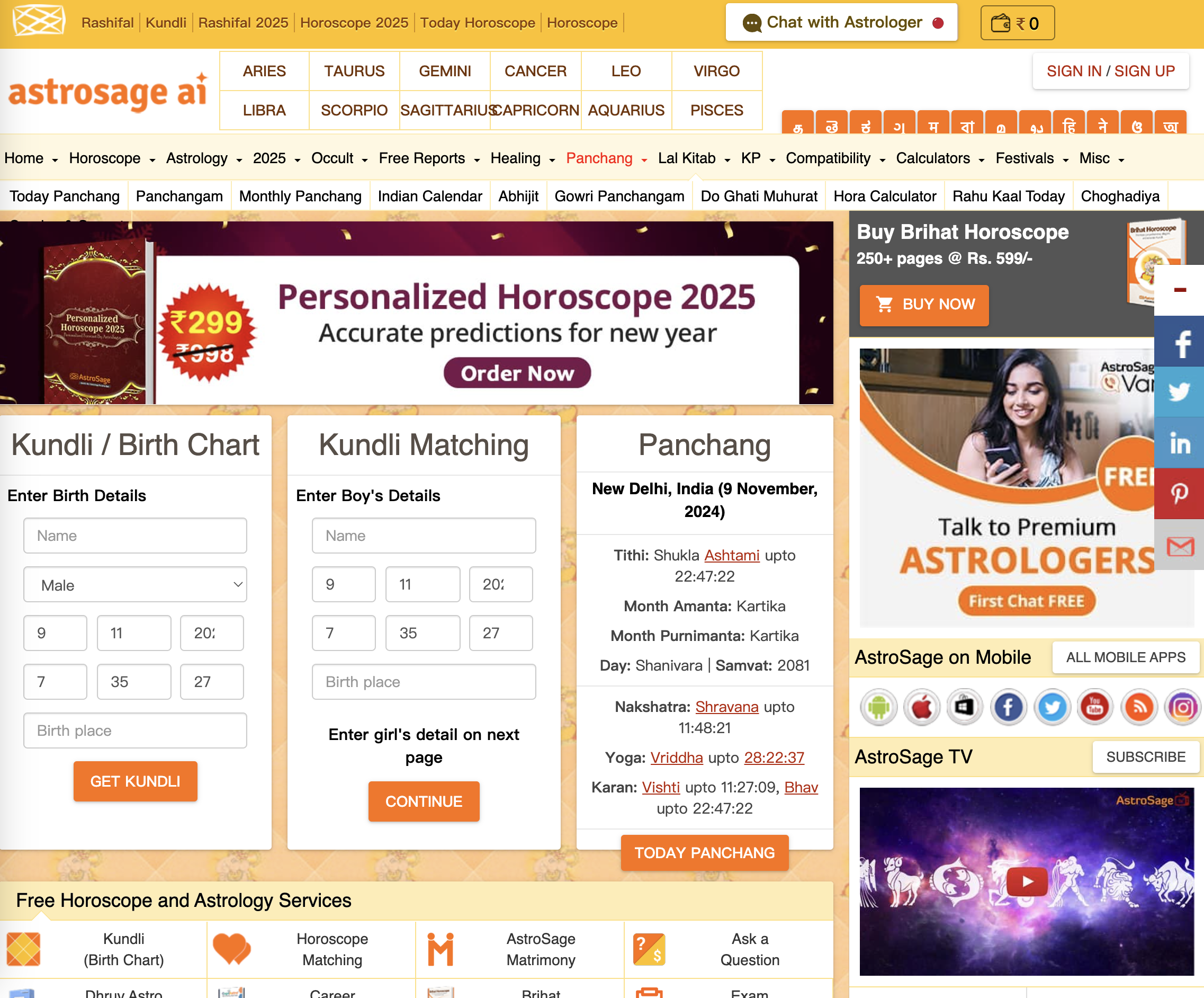 AstroSage Kundli: AI AstrologyAstroSage Kundli: AI Astrology. Free Online Horoscope & AI-Powered Online Astrologer.
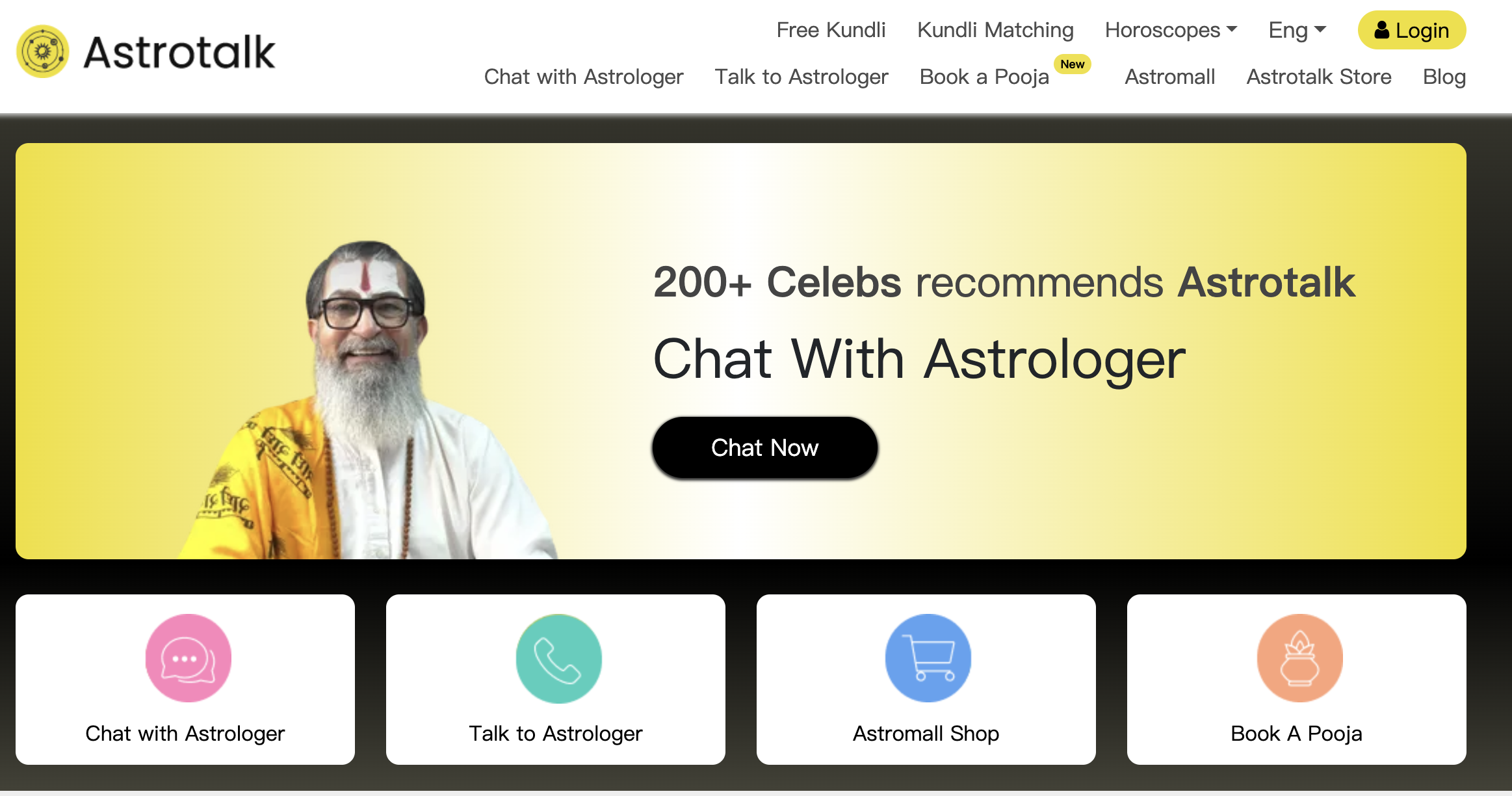 AstrotalkAstrotalk. We will match the Kundlis from all aspects and provide a detailed report. Chat with Astrologer -Chat with any astrologer of your choice and ask as many questions as you want.
Recommended
 FateKitSponsoredBest for astrology and Chinese-metaphysics readers who want to compare several chart systems for the same moment, inspect the sky data behind them, and prepare structured context for an external AI without uploading a profile by default.
 Cantian AIFor people who want AI Bazi readings and also want to cast a hexagram, check feng shui, or choose a name in the same app.
Sources
- 中央网信办Cyberspace Administration of China
- 光明网Guangming Online, republishing Douyin's notice
- ASCIASCI press release
- ASCIASCI guidelines
- AstroSageAstroSage
- European CommissionEuropean Commission, Article 50 guidelines
- EUR-LexEU AI Act
- ASA / CAPCAP on AI disclosure
- ASA / CAPCAP guidance for psychics and astrologers
- FTCFTC press release
- 中央网信办Cyberspace Administration of China, Q&A on the labeling measures
Similar stories
Astrology apps now split the question: ask AI, or pay a human reader
The same astrology question can now become an instant AI report or a paid human consultation. The product split is about speed, trust, price, and responsibility.
AI AstrologyAstrology Marketplaces
AI Astrologers Now Give You the First Answer Free. Check What the Second One Costs
In early October, several AI astrology apps in the US and India made the first question free. What happens next varies: some price each answer up front, while AstroSage bills its named AI astrologers by the minute, and that is where the complaints pile up.
AI AstrologyAstrology Marketplaces
This AI Astrology App Thought It Was Still 2023. Now It's Back
SINE shipped version 2.0 on Oct. 15, its first update since December 2024, with a new backend and tarot readings matched to the cards drawn. While it sat untouched, reviewers said its AI read their transits for October 2023, then the app stopped loading altogether.
AI AstrologyAI Tarot