A practical way to use AI beside professional Western astrology tools: verify the chart, lock the settings, then let AI help with notes, not calculation.
2026/05/21
AI astrology starts to look impressive when it writes in paragraphs. Professional astrology starts much earlier, with a time, a place, a house system, an ephemeris, and a chart wheel that can survive being checked twice.
That is the part people skip. If the Ascendant is wrong, the rest of the reading can sound beautiful and still be built on sand. If an AI tool invents an aspect, quietly switches from Placidus to Whole Sign, or forgets the orb, the problem is not tone. The problem is calculation.
So I would not ask, "Can AI replace an astrologer?" It is the wrong first question. I would ask where AI belongs in the stack. For serious Western chart work, I would put it after the chart is calculated, after the settings are named, and after the astrologer has already looked at the hard facts.
Use Astro.com or Astro-Seek to verify the basic chart. Use Astro Gold if you want a professional workbench rather than a friendly horoscope page. Use Time Nomad when timing and movement are the job. Use TimePassages if you want readable interpretation around a real chart. Treat Zelest as an example of the AI interpretation layer, useful to study, but not the place I would blindly outsource calculation.
The official pages tell the same story if you read them without the marketing shine. Astrodienst describes Swiss Ephemeris as a high precision ephemeris used for astrological software. Astro Gold talks about high precision calculations across mobile and Mac software. Time Nomad names natal charts, transits, synastry, progressions, fixed stars, planetary hours, and tropical or sidereal zodiac support. Zelest presents AI interpretations, birth charts, synastry, and transit analysis. Those are different jobs. Mixing them together is how bad AI astrology gets made.
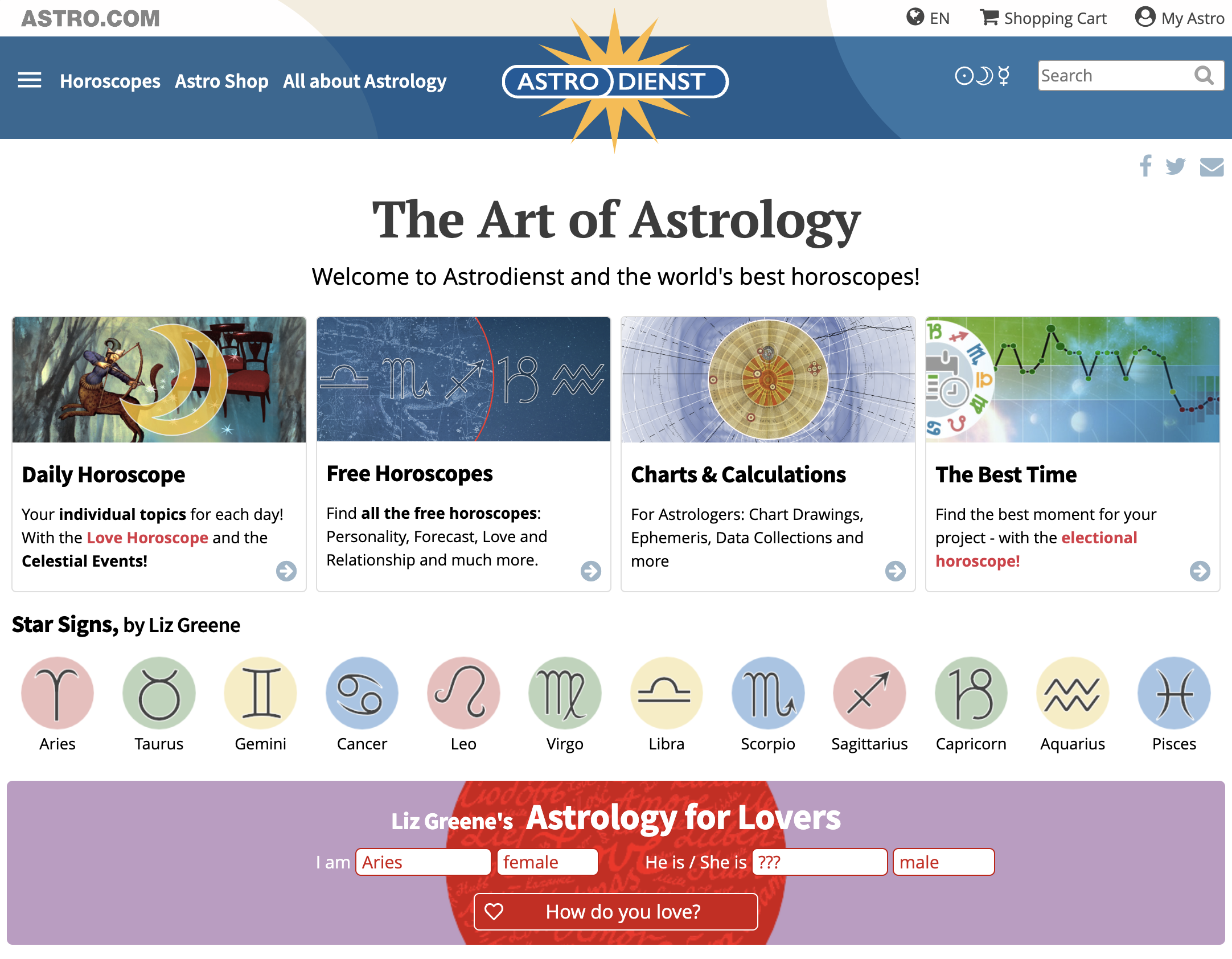
A professional chart packet should look a little dull at first. Birth date. Exact local time. Place. Time zone handling. Zodiac. House system. Node choice. Orb rules. Whether Chiron, asteroids, fixed stars, or Arabic Parts are included. The glamour comes later.
This is where AI is weakest if you give it vague input. "I was born in London around sunset" is not enough. A human astrologer hears that and asks questions. A bad AI experience may simply produce a confident chart. Confidence is cheap.
When I use AI around a chart, I want it to say: I cannot judge the houses without a reliable birth time. I want it to keep signs, houses, aspects, and orbs separate. I want it to mark interpretation as interpretation, not pretend that a paragraph is a calculation.
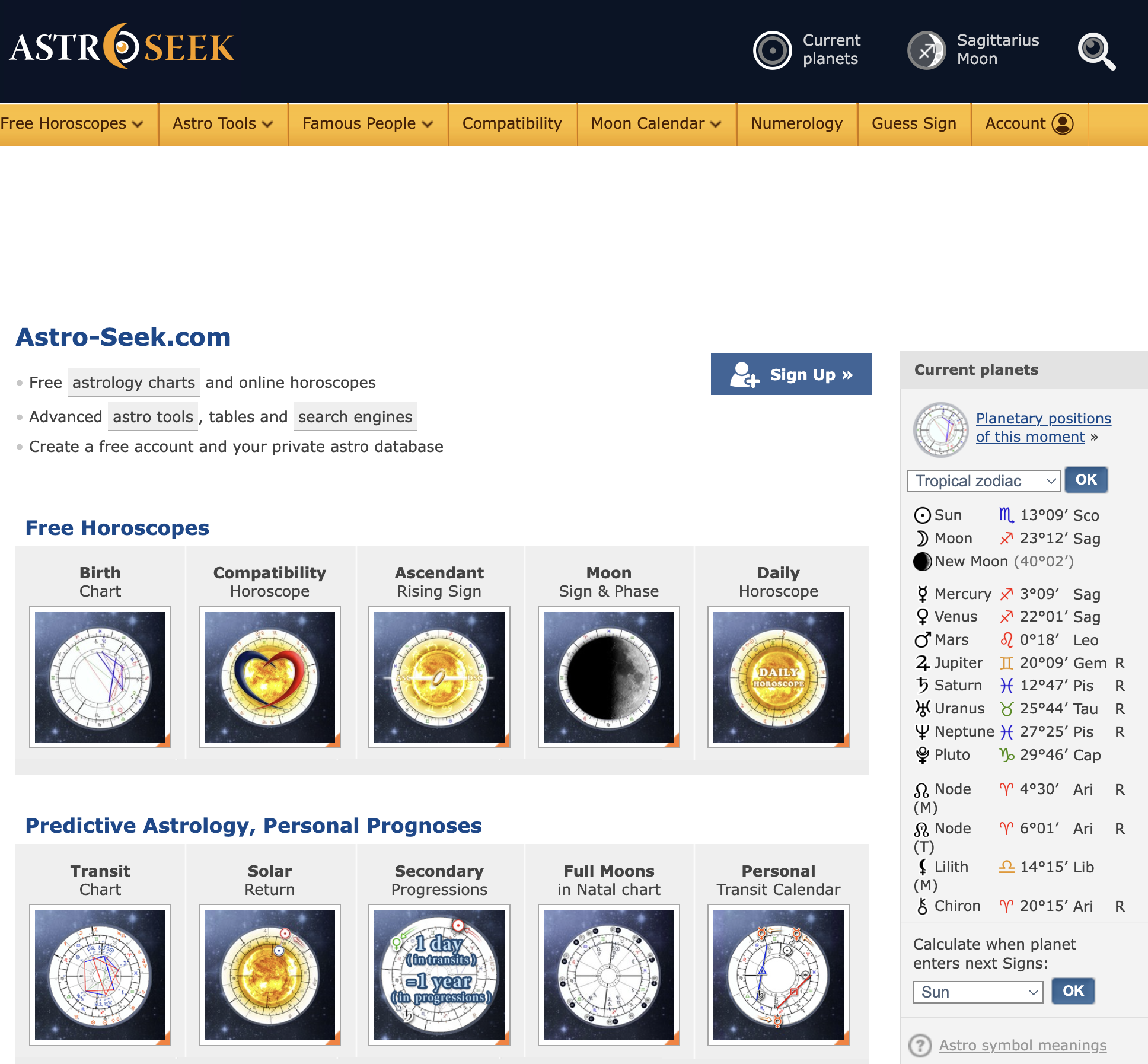
Astro-Seek is not the calmest page in the room. That is partly why I like it. It has the feeling of a tool shed: chart wheels, tables, return charts, compatibility tools, sidereal options, asteroids, fixed stars, and side doors everywhere. You can get lost, but the map is there.
For AI work, that matters because you can pull the raw material out of the chart instead of asking the model to guess. If you want AI to help with a reading, give it placements, house positions, aspects, and orbs from a calculation page. Do not give it a birth date and hope it becomes an ephemeris.
I would not send Astro-Seek to someone who wants a polished first astrology app. I would send it to someone who wants to inspect the machinery.
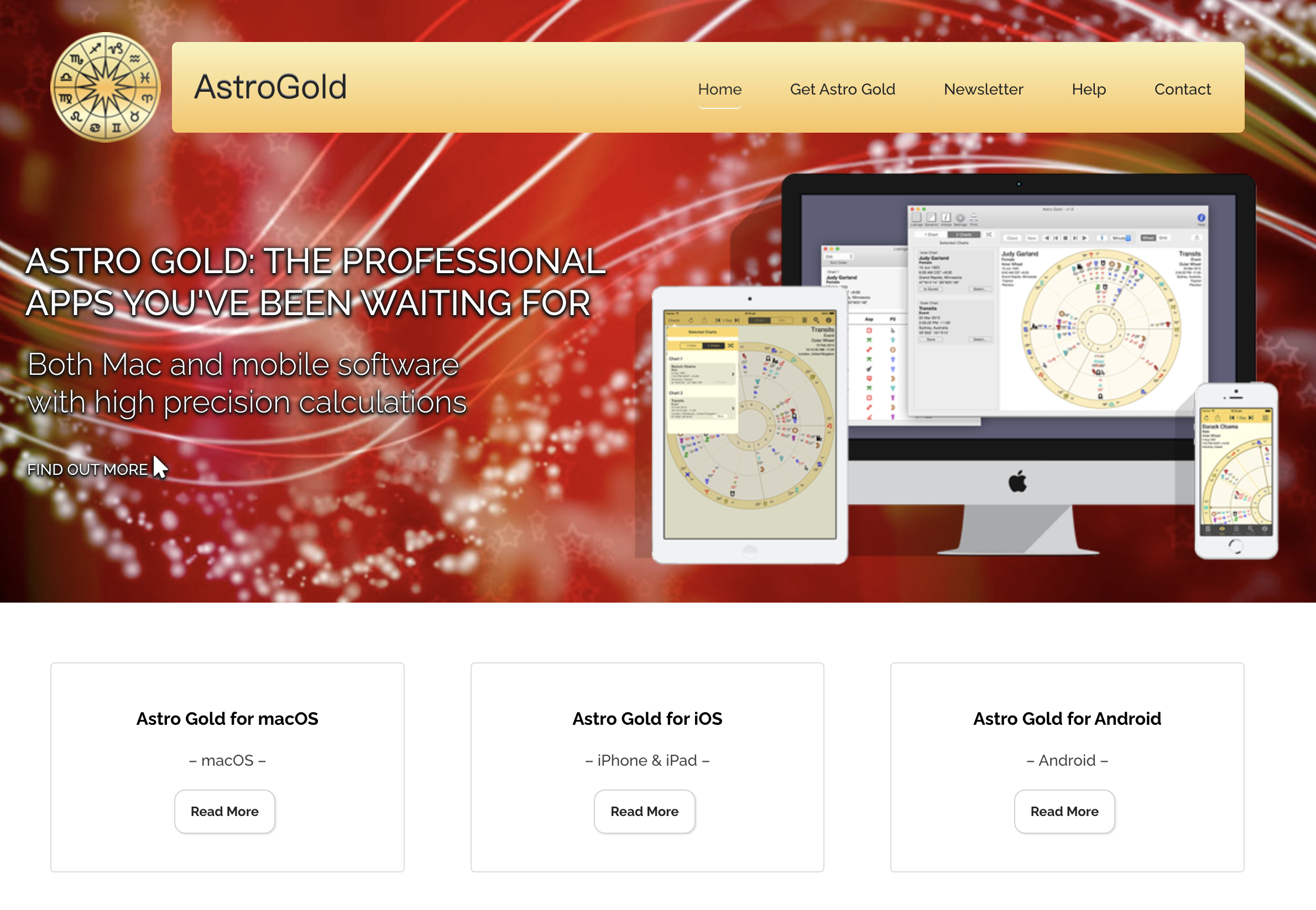
Astro Gold sits in a different category. The official Astro Gold page emphasizes high precision calculations and availability across iOS and Mac, and the product itself feels closer to a working astrologer's kit than a daily horoscope app. That is a compliment, but it also means the app asks more of the user.
This is where AI can be useful as an assistant, not a replacement. Let the software hold the chart. Let the astrologer choose the technique. Then ask AI to organize notes, compare candidate themes, or draft a client-friendly explanation from facts you already trust.
The difference sounds small until you see a model confidently discuss a Venus-Mars square that is not in the chart. In professional work, one invented aspect is not a typo. It changes the reading.
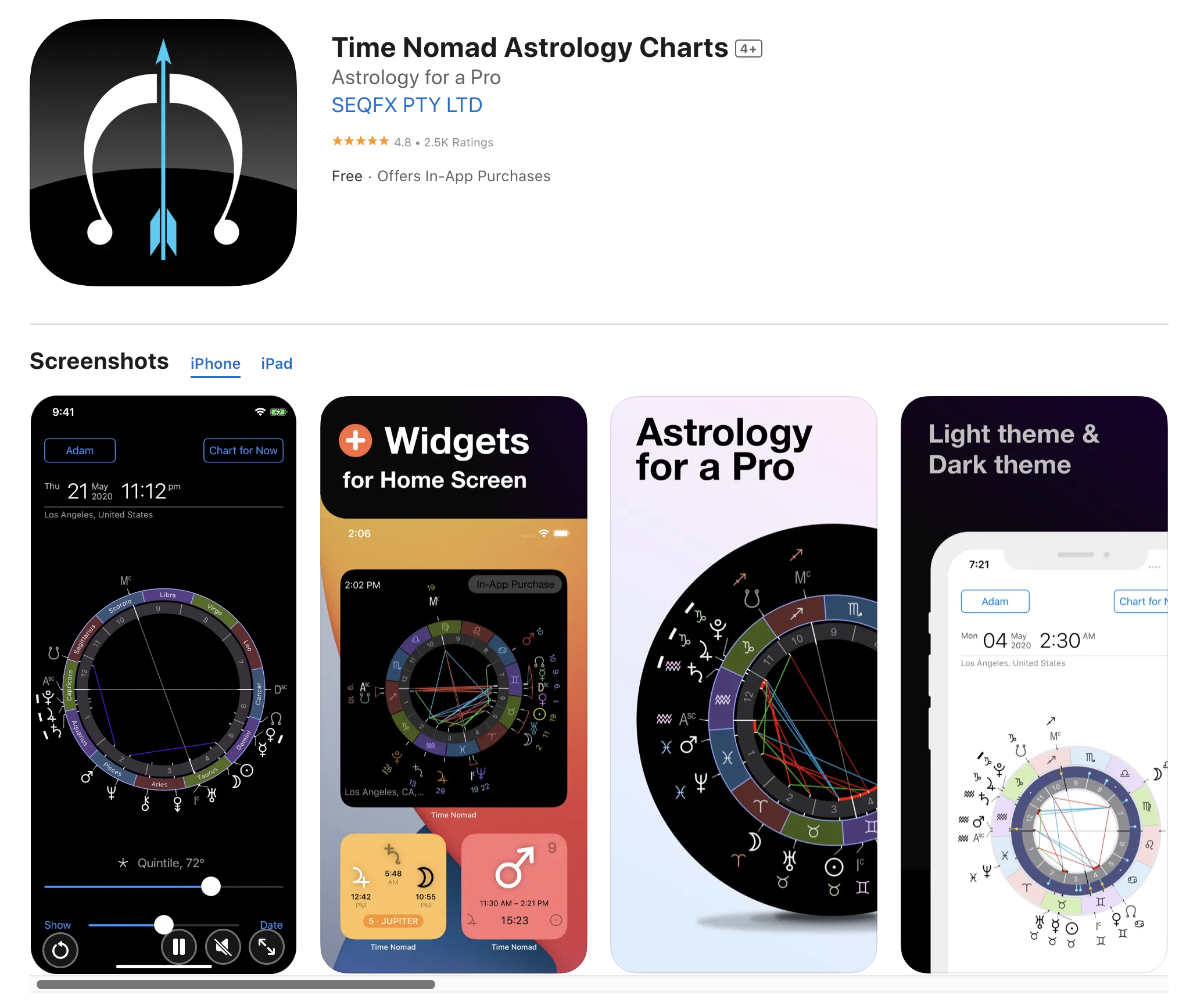
Some chart questions are not static. Transits, progressions, returns, planetary hours, fixed stars, and sky movement need a tool that lets you look at timing without rebuilding the whole context every five minutes. Time Nomad's official page is unusually direct about that scope: charts for iPhone and iPad, natal charts, transits, synastry, progressions, fixed stars, planetary hours, and tropical or sidereal support.
That makes it a better partner for AI than many AI-first products. The app can show the moving sky. AI can help turn a messy transit list into questions: Which exact hits repeat? Which houses are being activated? What natal promise is actually being triggered?
I would still keep the AI on a leash here. It should summarize a transit window after you provide the dates and exact contacts. It should not decide the contacts by memory.
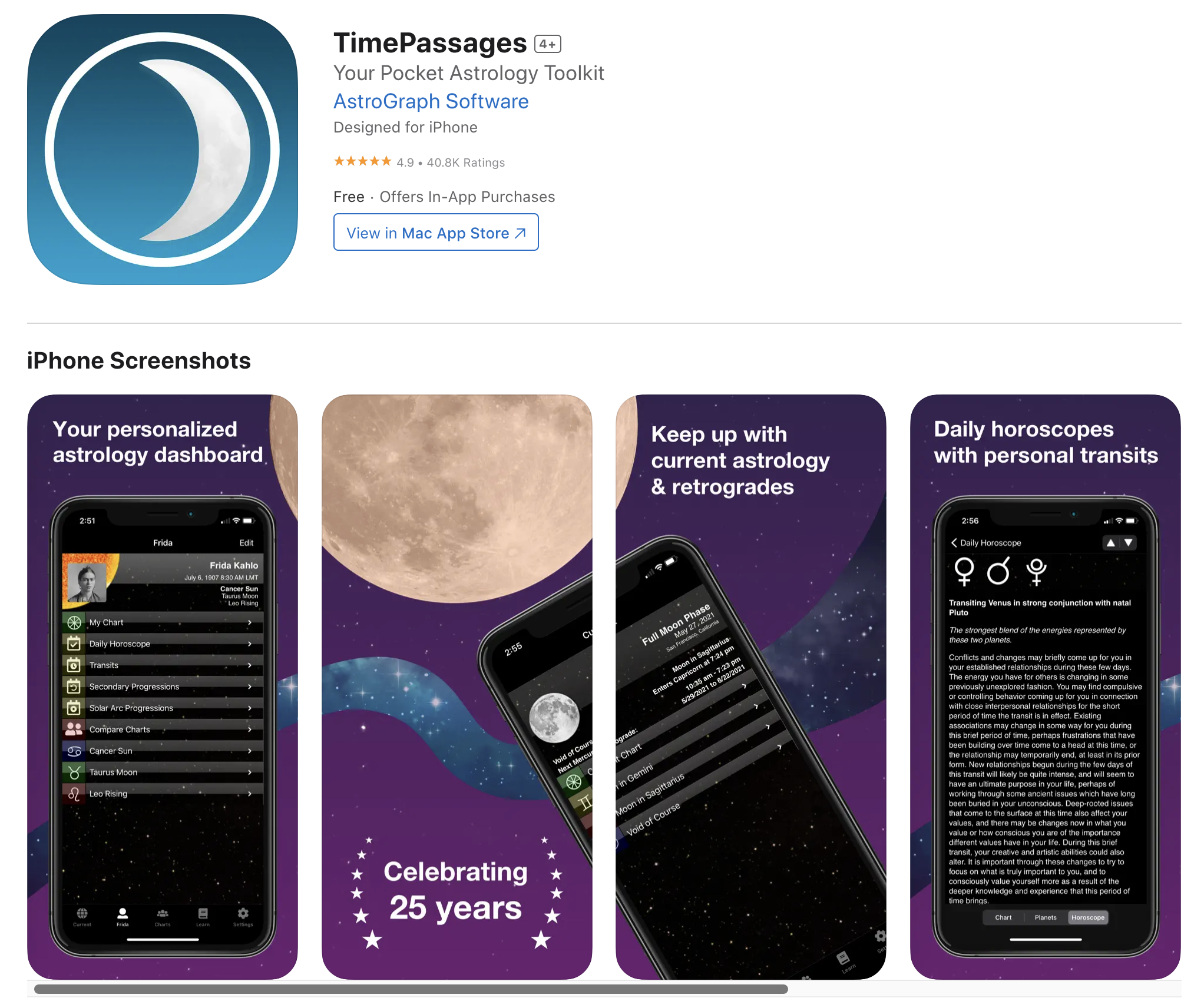
TimePassages is interesting because it lives between calculation and prose. Astrograph positions it around charts, reports, software, horoscopes, interpretation, compatibility, forecasting, transits, and progressions. That is a lot, but the important part is the bridge: it tries to make chart language readable.
This is the lane where AI feels tempting. Most people do not need more glyphs. They need help turning technical symbols into a sentence they can sit with. But the source still matters. A readable paragraph based on a weak chart is just a smoother mistake.
If I were using TimePassages with AI, I would compare the app's interpretation against my own notes, then ask AI to find gaps or contradictions. I would not ask it to declare which one is right. That is still the astrologer's job.
AI is genuinely useful after the chart facts are locked. I would use it for these jobs:
I would not use it to calculate a chart from scratch unless the product exposes its calculation engine and settings clearly. A language model can explain astrology. It is not automatically an astrology program.
The best AI astrology prompt is not poetic. It is restrictive. I would write something close to this:
Use only the chart facts below. Do not add placements, aspects, house positions, dignities, asteroids, fixed stars, or timing contacts that I did not provide. Separate calculation facts from interpretation. If the birth time changes the houses, say so. If an interpretation depends on an orb, name the orb. Give me three possible themes, the evidence for each, and one reason each theme might be overstated.
Then I would paste the actual chart packet. Not a screenshot alone. A text packet.
This kind of prompt makes the model less theatrical. It also makes mistakes easier to see. If the answer mentions an aspect that is not in the packet, you know it drifted.
I get suspicious when an AI astrology product hides the chart settings, gives no orb data, never asks about birth time quality, and writes every answer as if uncertainty does not exist. I get more suspicious when it jumps straight into life advice without showing the astrological evidence.
The same goes for medical, legal, or financial certainty. Astrology can be symbolic language, timing language, counseling language, even artful pattern language. It should not turn into a machine that tells a frightened person what must happen next.
The better AI astrology products will probably look less magical, not more. They will show the chart source. They will expose settings. They will let users inspect the technical layer before reading the prose. They will say "I do not know" more often than marketing teams usually like.
For a serious Western astrology workflow, I would keep three layers separate. First, calculation in a tool built for charts. Second, astrological judgment by a person who knows what the symbols mean. Third, AI as a writing and thinking assistant.
That may sound less exciting than a one-click AI astrologer. It is also the version that respects the craft. The chart has to be right before the language gets clever.